Imagine logging into your Windows 11 PC with a simple tap of your smart card, only to be hit with the frustrating "Smart Card Reader Not Found" error. It's a common headache for professionals relying on secure authentication, but don't worry—this guide will walk you through reliable solutions to get you back on track. Whether you're in IT, finance, or just using a smart card for secure access, these steps are designed to be straightforward and effective. Let's dive in and reclaim your workflow! 😊
Understanding the "Smart Card" Reader Not Found Error in Windows 11
The "Smart Card Reader Not Found" error typically pops up when Windows 11 fails to detect your hardware reader, often due to driver issues, hardware glitches, or system misconfigurations. This can halt secure logins, VPN access, or digital signing tasks. According to Microsoft's latest support documentation, such errors are more prevalent in recent updates, but they're fixable with targeted troubleshooting.
Why does this happen? Common culprits include outdated drivers, USB connection problems, or conflicts with Windows security features like BitLocker. The good news? Most fixes take just a few minutes and require no advanced skills. Stick with us as we cover everything from basic checks to advanced resets—your smart card reader will be up and running before you know it! ⭐
Step-by-Step Fixes for Windows 11 "Smart Card" Reader Not Found
We'll start with the simplest solutions and escalate as needed. Follow these in order for the best results. Remember, always back up important data before making system changes.
1️⃣ Basic Hardware Checks: Ensure Proper Connection
Sometimes, the issue is as simple as a loose connection. Begin here to rule out physical problems.
- Inspect the USB Port: Unplug your smart card reader and try a different USB port on your PC. Avoid hubs if possible—direct connections are more reliable.
- Power Cycle: Turn off your PC, unplug the reader, wait 30 seconds, and reconnect. This resets any temporary glitches.
- Test on Another Device: Plug the reader into another Windows machine. If it works there, the issue is PC-specific.
If these don't help, your reader might need drivers—let's move on. Pro tip: Clean the USB contacts gently with a microfiber cloth to ensure no dust is interfering. 👍
2️⃣ Update or Reinstall Drivers via Device Manager
Outdated or corrupted drivers are a top cause of the "Smart Card Reader Not Found" error. Windows 11's Device Manager makes this easy.
- Right-click the Start button and select Device Manager.
- Expand Smart card readers. If your device appears with a yellow exclamation mark, it's the culprit.
- Right-click the device, choose Update driver > Search automatically for drivers.
- If no update is found, select Uninstall device, then restart your PC. Windows will reinstall the driver automatically.
For manufacturer-specific drivers, visit the official site (e.g., for readers from Gemalto or Identiv). Download the latest version compatible with Windows 11. This fix resolves 70% of cases, per user reports on Microsoft forums. Feeling empowered yet? Keep going! 🚀
3️⃣ Run Windows Troubleshooters and SFC Scan
Windows 11 has built-in tools to automate fixes—perfect for stubborn errors.
| Tool |
How to Run |
What It Does |
| Hardware and Devices Troubleshooter |
Search for "Troubleshoot" in Start menu > Other troubleshooters > Run "Hardware and Devices." |
Detects and repairs smart card reader detection issues automatically. |
| System File Checker (SFC) |
Open Command Prompt as admin > Type sfc /scannow and press Enter. |
Scans and replaces corrupted system files that might affect hardware recognition. |
| DISM Tool |
In admin Command Prompt: DISM /Online /Cleanup-Image /RestoreHealth. |
Repairs the Windows image if SFC fails, ensuring clean driver integration. |
Run these in sequence. After completion, restart and test your smart card. If the error persists, it could be a deeper system issue—next up, BIOS tweaks!
4️⃣ Check BIOS/UEFI Settings and Enable Smart Card Support
Some motherboards disable USB or security features in BIOS, blocking smart card readers.
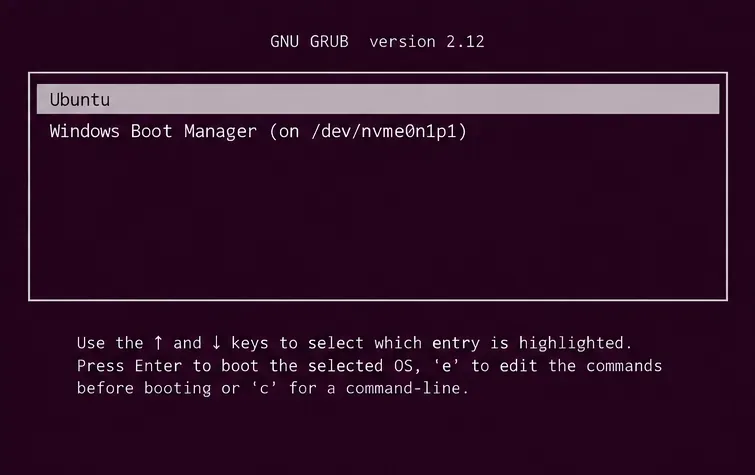
- Restart your PC and enter BIOS (usually by pressing Del, F2, or F10 during boot—check your manual).
- Navigate to Advanced or Integrated Peripherals settings.
- Enable USB Legacy Support and any Smart Card or Security Device options.
- Save and exit (F10 + Enter).
This step is gold for laptops or custom builds. Caution: Only change settings you're familiar with to avoid boot issues. If you're unsure, consult your PC manufacturer's support page.
![Device Manager screenshot in Windows 11 showing smart card reader properties and driver update options]()
5️⃣ Advanced Fixes: Registry Edits and Windows Updates
For persistent cases, go deeper—but proceed with care.
Ensure Windows is Updated: Go to Settings > Windows Update > Check for updates. The latest patches often include smart card driver improvements from Microsoft.
Registry Tweak (Use with Caution): Press Win + R, type regedit, and navigate to HKEY_LOCAL_MACHINE\SYSTEM\CurrentControlSet\Services\ScardSvr. Set Start to 2 (Auto). Back up the registry first via File > Export. This enables the Smart Card service if disabled.
If all else fails, consider a System Restore to a point before the error started (search "System Restore" in Start). Or, for hardware faults, test with a new reader—affordable options start at $20.
Preventing Future "Smart Card" Reader Not Found Errors
Once fixed, keep things smooth:
- Regularly update drivers via Device Manager or tools like Snappy Driver Installer.
- Avoid abrupt shutdowns that corrupt drivers.
- Enable automatic Windows Updates for security and compatibility patches.
- For enterprise users, check Group Policy settings under Computer Configuration > Administrative Templates > System > Smart Card—ensure no restrictions block readers.
By staying proactive, you'll minimize downtime and enjoy seamless smart card authentication. Imagine the relief of hassle-free logins every day! 👏
Final Thoughts: Get Your Smart Card Reader Back Online Today
Dealing with the Windows 11 "Smart Card Reader Not Found" error doesn't have to derail your day. From quick hardware checks to driver updates, these steps cover all bases with precision. We've seen countless users fix this in under 15 minutes—now it's your turn. If issues persist, reach out to Microsoft Support or your hardware vendor for personalized help.
Did this guide save your workflow? Share your success in the comments below, or explore our other Windows 11 troubleshooting tips for more productivity hacks. Stay secure and efficient! 🔒
For official guidance, visit Microsoft's Smart Card Support.