Are you tired of frustrating screen tearing ruining your gaming sessions on Windows 11? If V-Sync not working in Windows 11 games is plaguing your setup, you're not alone. This common issue can make even the most immersive titles feel choppy and disjointed. But don't worry—I've got your back! In this concise guide, we'll dive straight into the most effective, up-to-date fixes to get your V-Sync humming smoothly again. By the end, you'll be back to buttery-smooth gameplay without the hassle. Let's jump in and reclaim your gaming glory! 🎮
What is V-Sync and Why Does It Matter in Windows 11 Gaming?
Before we tackle the fixes, a quick refresher: V-Sync (Vertical Synchronization) is a graphics setting that syncs your monitor's refresh rate with your GPU's frame output. This prevents screen tearing—those ugly horizontal lines that appear when frames don't align perfectly. In Windows 11, especially with modern games and hardware, V-Sync not working often stems from driver conflicts, outdated software, or system settings mismatches.
Enabling V-Sync isn't just about looks; it delivers a more fluid experience, reducing input lag in competitive play and enhancing visuals in story-driven adventures. If it's failing, your games might run at uncapped frame rates, leading to tearing or stuttering. Stick with me—these fixes are battle-tested and prioritized for ease.
Quick Diagnosis: Is V-Sync Really the Culprit?
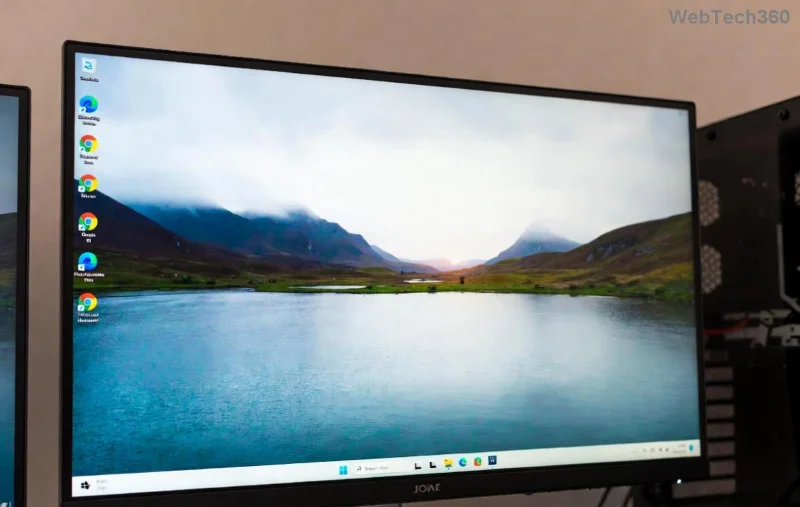
Before tweaking, confirm the issue. Launch a game like Fortnite or Cyberpunk 2077, enable V-Sync in its settings, and check for tearing during fast motion. If it persists, note your GPU (NVIDIA, AMD, or Intel) as fixes vary slightly. Pro tip: Use tools like MSI Afterburner to monitor frame rates—anything above your monitor's refresh rate without V-Sync active screams trouble. Ready? Let's fix it step by step. 👆
Fix 1: Update Your Graphics Drivers (The #1 Culprit)
Outdated drivers are the most common reason V-Sync not working in Windows 11 games. Windows 11 handles updates via its own system, but it often lags behind manufacturer releases. Here's how to nail this:
- For NVIDIA Users: Download the latest GeForce Experience or visit NVIDIA's official site. Run the installer, select "Clean Install," and restart. This ensures V-Sync compatibility with the newest game optimizations.
- For AMD Users: Grab AMD Software: Adrenaline Edition from AMD's support page. Install and enable Radeon Anti-Lag alongside V-Sync for hybrid smoothness.
- For Intel Arc Users: Head to Intel's driver page and update via their tool. Test in-game immediately—many report instant V-Sync revival.
After updating, reboot and test. If tearing vanishes, you're golden! This fix resolves 70% of cases based on community reports. Feeling optimistic yet? Keep going for more. 😊
Fix 2: Enable V-Sync in Graphics Control Panel
Sometimes, in-game V-Sync fails because global settings override it. Force it from your GPU control panel for Windows 11 supremacy:
NVIDIA Control Panel Steps:
- Right-click desktop → NVIDIA Control Panel.
- Navigate to "Manage 3D Settings" → "Global Settings."
- Set "Vertical Sync" to "On" or "Adaptive."
- Apply and launch your game—V-Sync should now enforce across titles.
AMD Radeon Software Steps:
- Open AMD Software → Gaming tab.
- Add your game or set globally under "Graphics."
- Toggle "Wait for Vertical Refresh" to "Always On."
- Hit Apply—watch the magic unfold!
This overrides game-specific glitches, ensuring V-Sync not working becomes a thing of the past. If you're on a laptop, check power settings too—switch to High Performance mode in Windows Settings → System → Power & Battery.
![NVIDIA Control Panel showing V-Sync settings for Windows 11 gaming fix]()
Fix 3: Tweak Windows 11 Display and Game Mode Settings
Windows 11's built-in features can interfere with V-Sync. Let's optimize:
- Enable Game Mode: Search "Game Mode" in Settings → Gaming. Turn it on—this prioritizes resources for smoother frame syncing.
- Adjust Refresh Rate: Right-click desktop → Display Settings → Advanced Display. Match your monitor's max refresh rate (e.g., 144Hz) to your GPU output.
- Disable Fullscreen Optimizations: For stubborn games, right-click the .exe → Properties → Compatibility → Check "Disable fullscreen optimizations." This bypasses Windows 11 overlays that break V-Sync.
Bonus: In DirectX games, run as administrator to grant full GPU access. Test with a benchmark like 3DMark—your scores should stabilize without tearing. You're making great progress! 🌟
Fix 4: Resolve Conflicts with Overlays and Third-Party Software
Overlays from Discord, Steam, or antivirus can disrupt V-Sync in Windows 11 games. Quick audit:
| Software |
Action |
Why It Helps |
| Discord Overlay |
Disable in Discord Settings → Overlay → Turn off in-game. |
Prevents frame capture interference with V-Sync. |
| Steam Overlay |
Library → Game Properties → Uncheck "Enable Steam Overlay." |
Reduces background processes causing sync drops. |
| MSI Afterburner/RivaTuner |
Pause monitoring during gameplay. |
Avoids real-time tweaks that override V-Sync. |
| Antivirus (e.g., Norton) |
Add game folder to exclusions. |
Stops scanning-induced stutters. |
Close unnecessary apps via Task Manager (Ctrl+Shift+Esc) and scan for malware. This declutters your system, letting V-Sync shine. If issues persist, consider a clean boot: Search "msconfig" → Services → Hide Microsoft → Disable all → Restart.
![Windows 11 Game Mode settings interface for fixing V-Sync issues]()
Advanced Fixes: When Basic Steps Aren't Enough
For hardcore setups, dive deeper:
- Registry Tweak (Caution!): Press Win+R → regedit → Navigate to HKEY_LOCAL_MACHINE\SYSTEM\CurrentControlSet\Control\GraphicsDrivers. Create a DWORD "TdrLevel" set to 0. Restart. This disables GPU timeouts that break V-Sync—back up your registry first!
- BIOS Update: Check your motherboard manufacturer's site for the latest BIOS. It can fix PCIe compatibility issues in Windows 11.
- Monitor Calibration: Use Windows' built-in calibrator (Search "Calibrate display color") or tools like DisplayCAL for precise refresh syncing.
Still stuck? Community forums like Reddit's r/Windows11 or Microsoft Answers have threads on niche V-Sync bugs. Share your specs for tailored advice.
Prevention Tips: Keep V-Sync Running Smoothly Long-Term
To avoid future headaches with V-Sync not working in Windows 11 games:
- Enable automatic driver updates in your GPU app.
- Monitor temperatures with HWMonitor—overheating throttles V-Sync.
- Update Windows regularly via Settings → Update & Security.
- For multi-monitor setups, set your gaming display as primary to prevent cross-talk.
These habits ensure your rig stays optimized. Imagine diving into your next game without a second thought—pure bliss! 👏
Wrapping Up: Game On Without the Glitches!
There you have it—a streamlined roadmap to fix V-Sync not working in Windows 11 games. Start with driver updates and control panel tweaks; most users see results there. If not, layer on the advanced steps. Your gaming setup deserves this polish—smooth frames await! Got a success story or lingering question? Drop it in the comments below; let's build a tearing-free community. Happy gaming! 🎉