Skype Free Phone Calls
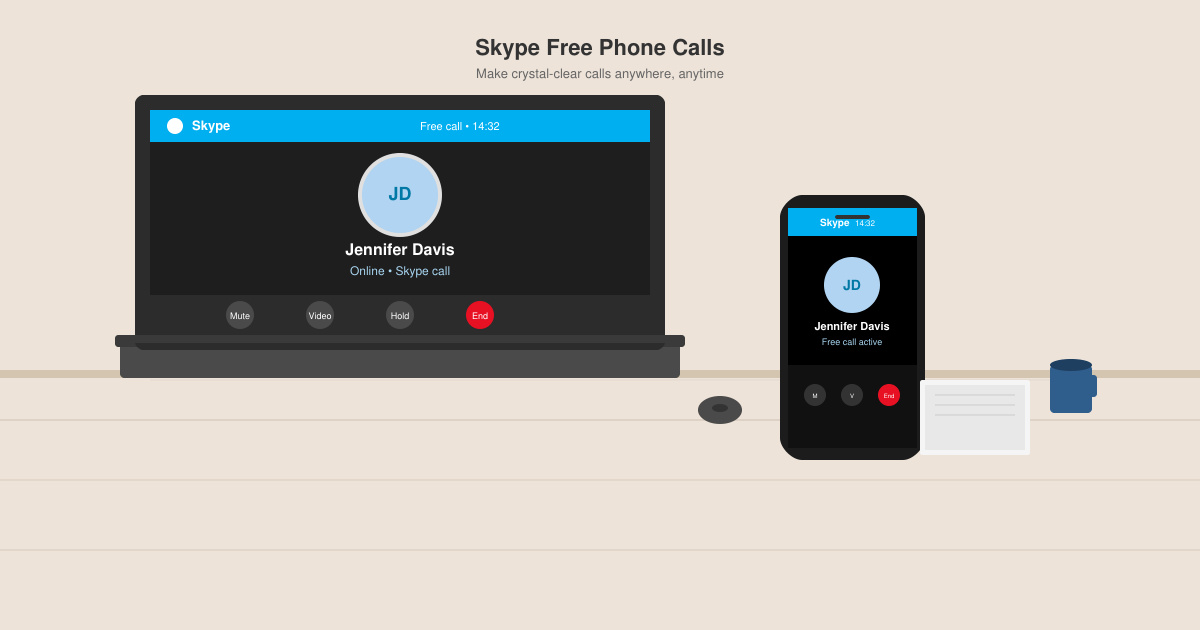
Skype Free Phone Calls let you connect with friends and family worldwide at no cost. Follow this guide to set up and start making free calls quickly and easily.
Are you switching jobs, cleaning up your device, or simply decluttering your Microsoft Teams setup? Knowing how to remove an account from Microsoft Teams safely is essential to avoid data loss, lingering notifications, or security risks. This guide walks you through every step with precision, ensuring you protect your information while making the process effortless. Let's dive in and get your Teams experience streamlined! 🚀

Teams accounts tie into your Microsoft 365 ecosystem, so improper removal can leave cached data vulnerable or disrupt other apps. Safe removal prevents:
Whether it's a personal account or a work/school one, following best practices keeps everything secure and your productivity high. Ready to proceed? First, prepare wisely.
Don't rush—safeguard your data first! Here's your quick checklist:
⚠️ Pro Tip: For work accounts, coordinate with your IT admin to avoid compliance issues.
Personal accounts (like @outlook.com) are straightforward. Follow these steps on desktop, web, or mobile.
Simply sign out via profile menu—no permanent removal needed, as it's browser-based.
These are managed via Azure Active Directory. Users can't fully delete; admins handle deactivation. Here's what you can do:
| Method | User Steps | Admin Steps |
|---|---|---|
| Sign Out & Remove from Device | Profile > Settings > Accounts > Remove | N/A |
| Full Deactivation | Request admin | Azure AD > Users > Delete/Block sign-in |
| Clear Cache | %appdata%\Microsoft\Teams (delete folders) | N/A |
For admins: Log into Microsoft 365 Admin Center. Go to Users > Active users > Select user > Delete user. This revokes Teams access instantly.
Stuck? Try these fixes:
If issues persist, check Microsoft's support: Teams Help & Learning.
Q: Does removing an account delete my chats?
A: No—data stays on servers unless admin deletes the user.
Q: Can I recover a removed account?
A: Personal: Yes, sign back in. Work: Depends on admin retention policies.
Q: Is it safe for shared computers?
A: Absolutely—always sign out to protect privacy. 👍
Mastering how to remove an account from Microsoft Teams safely empowers you to manage your digital workspace confidently. By backing up data, following steps precisely, and troubleshooting smartly, you'll avoid pitfalls and transition seamlessly. Got more Teams tips needed? Explore our related guides on optimizing Teams settings next—your productivity awaits! 🎉
Skype Free Phone Calls let you connect with friends and family worldwide at no cost. Follow this guide to set up and start making free calls quickly and easily.
Stuck in the Discord Update Failed Loop? Follow these targeted fixes to break the cycle and complete the update without repeated failures or reinstalls.
Travel planning used to mean folders full of printed confirmations, handwritten notes, guidebooks, and a slightly terrifying number of browser tabs. Now, pretty much everything you need for a trip can live on the device already in your pocket.
Discover how Canva Free for Teachers gives educators full access to premium design tools at no cost. Verify your status and start creating classroom materials in minutes.
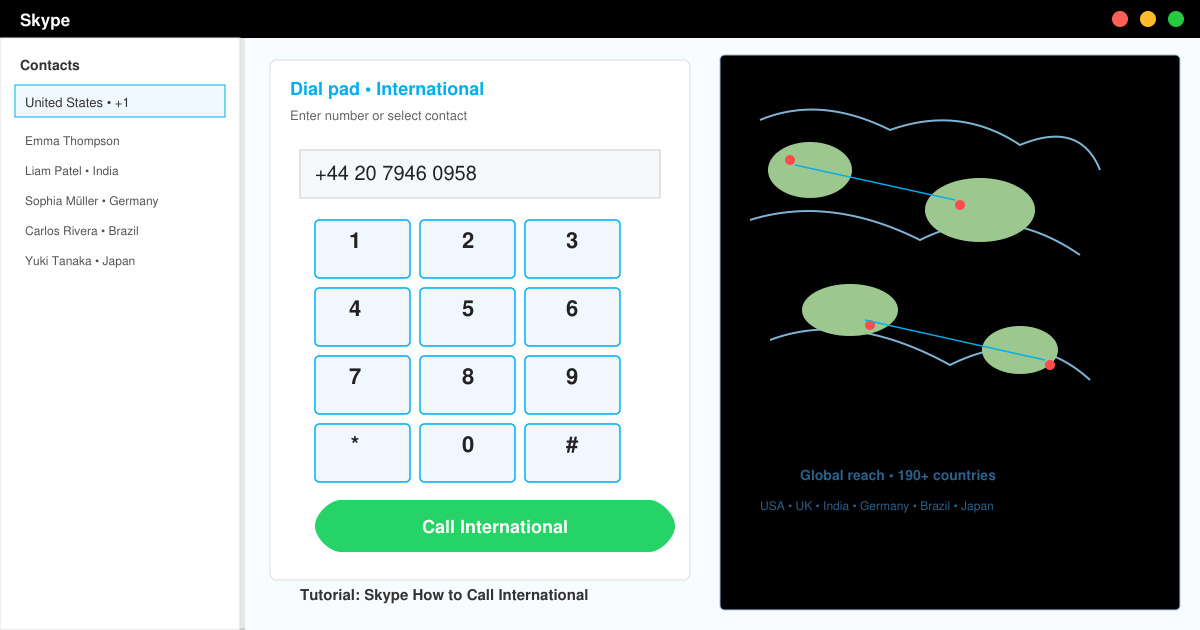
Skype How to Call International is simple and cost-effective once you set up credit and use the right country codes. Follow this guide to place clear calls from anywhere.
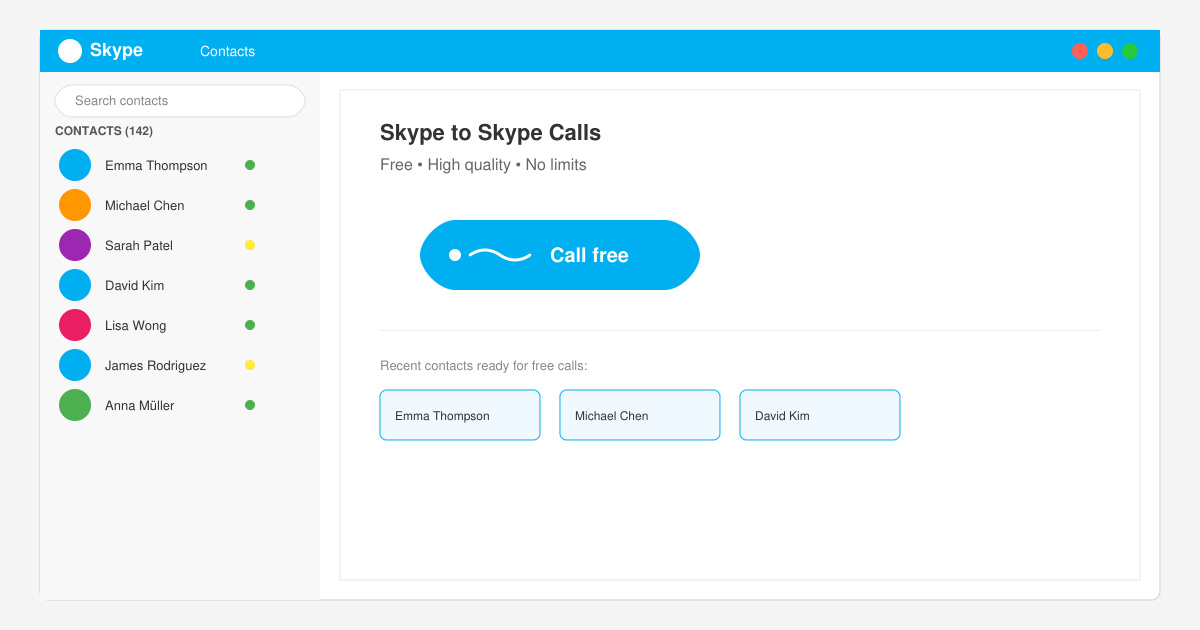
Make Skype to Skype Calls Free in minutes with this clear guide. Set up your account, add contacts, and start unlimited voice and video calls at no cost.
Fix the Your Connection is Not Private Chrome error quickly with these exact steps. Restore secure browsing by addressing certificate and settings issues in minutes.
Record heat has lifted air-conditioning demand while gas-market shocks have returned volatility to power prices. That creates a real risk of painful bills—but not a guaranteed, Europe-wide price explosion.
Large format printing has long faced criticism for its environmental impact. Traditional substrates, solvent-based inks, and short-lived promotional campaigns have all contributed to the perception that eye-catching graphics come at a high environmental cost.
Long-distance travel can involve heavy traffic, changing weather conditions, and rider fatigue. If you are also dealing with the responsibilities of moving home, such as packing belongings or coordinating accommodation, a long ride may add unnecessary pressure to an already busy schedule.