Leftover Halloween Candy and Pumpkins: What to Do Next

Sort leftover Halloween candy safely, share or repurpose sealed treats, and choose food use or compost for pumpkins based on their condition.
OpenAI has finally released ChatGPT Tasks for users to schedule tasks and set reminders. Users simply enter the request and the scheduled time for ChatGPT to save it, then send you a notification when the time reaches the point you set. Here is a detailed guide to the task scheduling and reminder feature in ChatGPT.
Table of Contents
Note, the feature is only available to paid users and is currently available for Android, iOS, and macOS users.
Step 1:
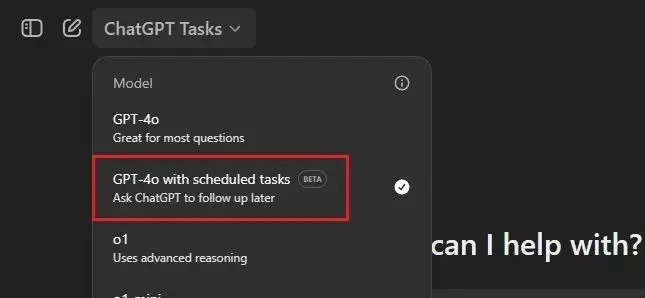
In the ChatGPT interface, we select GPT-4o with scheduled tasks in the displayed list.
Step 2:
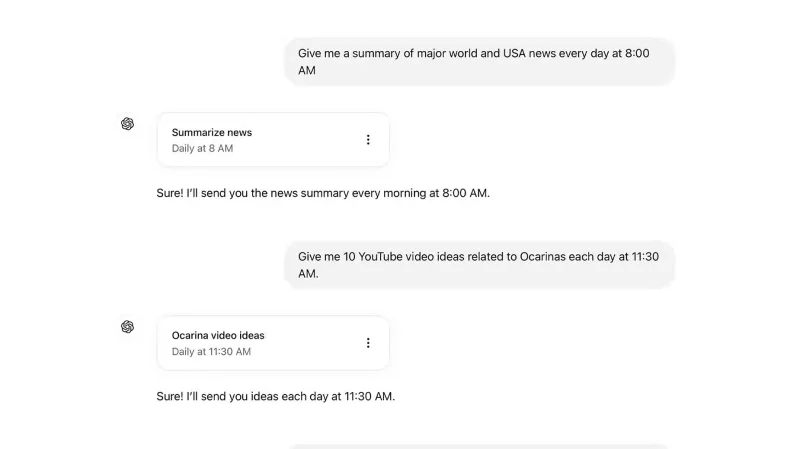
Next we enter the task we want to perform into the box, with the prompt “create a task …” .
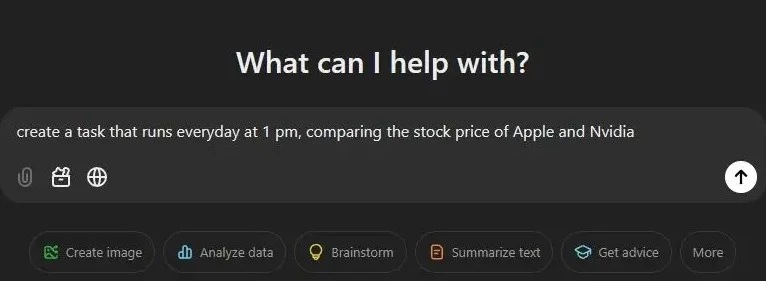
Immediately after that the task is recorded by ChatGPT along with the time you want. To receive notifications for the task, we need to agree to let ChatGPT send notifications.
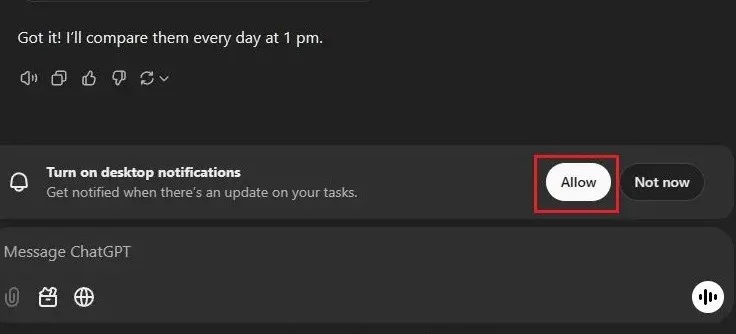
When the task runs, you will receive a notification from ChatGPT via your web browser or mobile app.
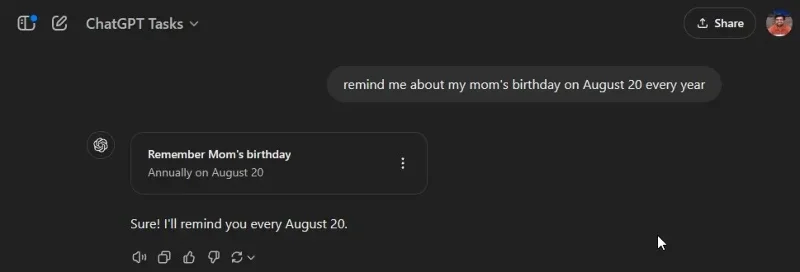
Similar to scheduling tasks, ChatGPT supports users to set reminders. In GPT-4o with schedule task, start your reminder with “remind me about ….” and then type the content.
Step 1:
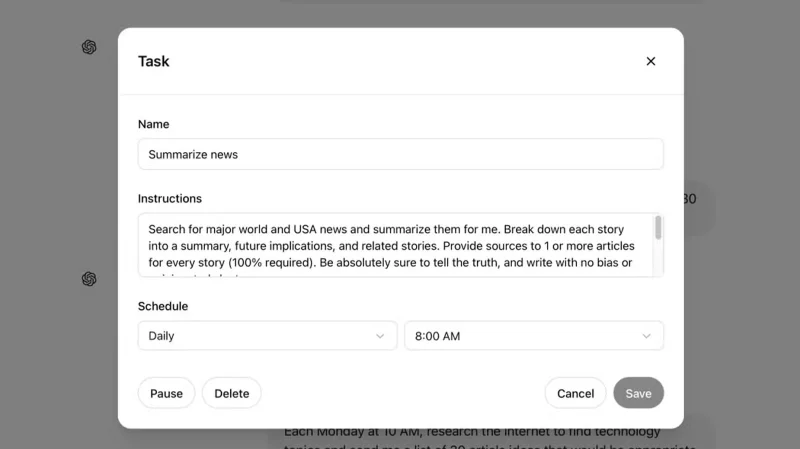
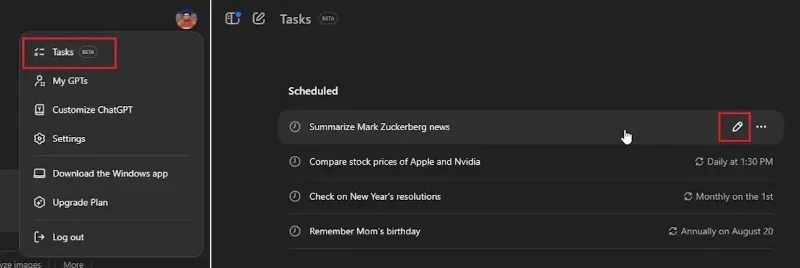
To manage and edit tasks in ChatGPT, click on the profile icon in the right corner and select Tasks. As a result, we will see a list of tasks we have created.
Step 2:
Tap the task you want to edit and then select the pen icon. Now you can adjust the time, or even delete the task.
Currently, OpenAI places a limit on concurrent tasks. While the details are a bit vague, OpenAI says you can have up to 10 tasks running at once. It also largely uses reminders as an example of recurring tasks, and you shouldn’t follow OpenAI’s example.
Your phone, calendar, or any number of other services already exist to set reminders, so don't use ChatGPT to do so and exhaust your 10 task limit. Instead, use your scheduled tasks for more important requests.
While requests should be meaningful, it's much easier to start with something simple in the initial prompt before expanding on the explanation. Since tasks can be edited after they've been executed, you can add more specific information to a scheduled task, such as editing the task's instructions, title, and frequency.
It is recommended to use separate chats for each task. Unless the scheduled tasks you request are related to each other, it is better to separate them into separate chats or projects.
To get the best results for ChatGPT tasks, the usual best practices for designing prompts still apply. Provide boundaries, the task-specific elements you require, and any clarifying or contextual details you need for a quality prompt. Since this model is simply a modified version of GPT-4o, treat the prompt the same way you would treat any prompt, although framing the prompt in a way that may yield different results for each query.
Regarding links, some specific prompts can also help you get higher quality sources. Likewise, formatting requests can be included for more specificity.
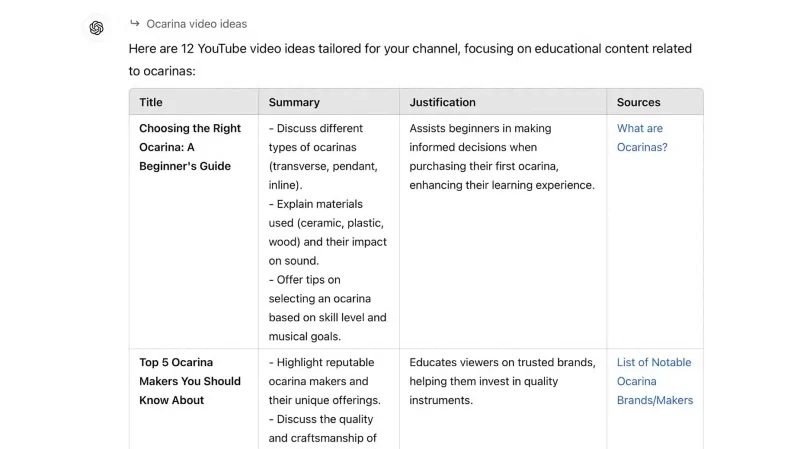
Overall, ChatGPT handled specific formatting requests quite well. In the news example, the author asked for a 3-6 sentence summary of the overall news story, with each story having a headline and each sub-section using bullet points. ChatGPT did what the prompt asked in each case, and the formatting never changed.
Implementing formatting into your prompts makes them much easier to read and skim, which is especially important for scheduled tasks that you'll read frequently.
The scheduled task function uses OpenAI's GPT-4o model, so all the limitations of that model apply to this function. For example, if you ask for brainstorming ideas frequently, you may get generic, repetitive responses.
While the scheduled tasks feature is a bit clunky in beta, it will improve over time, especially when using newer GPT models. There is a lot of utility to be had from applying automation to AI models, and the initial ideas are only scratching the surface of how people might use this functionality. Provided OpenAI can improve the quality of its output, reduce repetitive responses, and eliminate false positives when providing answers, many users will continue to use and experiment with new scheduled tasks.
Sort leftover Halloween candy safely, share or repurpose sealed treats, and choose food use or compost for pumpkins based on their condition.
Compare workplace Halloween costume choices by respect, dress code, mobility, and safety—and learn when a subtle accessory or a policy check is the better option.
Find a couples costume that fits your style, budget, and comfort level, from Addams Family classics to original inside-joke duos.
Need a last-minute high school Halloween costume? Compare 10 easy closet-based ideas by prep time, comfort, school-day practicality, and simple safety checks.
Use a simple 2026 Halloween decorating timeline for indoor décor, outdoor displays, and fresh pumpkins, with practical adjustments for weather and events.
Mix five vivid, approachable Halloween cocktails with measured recipes, simple prep tips, and an alcohol-free option for your party guests.
Find 15 office-friendly Halloween costume ideas for 2026, with practical checks for dress codes, respectful themes, comfort, and workplace safety.
Plan a fun elementary school Halloween party with easy crafts, games, inclusive treats, costume tips, and a sample 75-minute classroom schedule.
Compare realistic side hustles for 2026 by startup cost, fees, flexibility, and income control, with current tax and scam guidance from official sources.
Upgrade your home office ergonomics with current OSHA and NIOSH guidance on chair fit, monitor height, laptop setup, lighting, and movement.