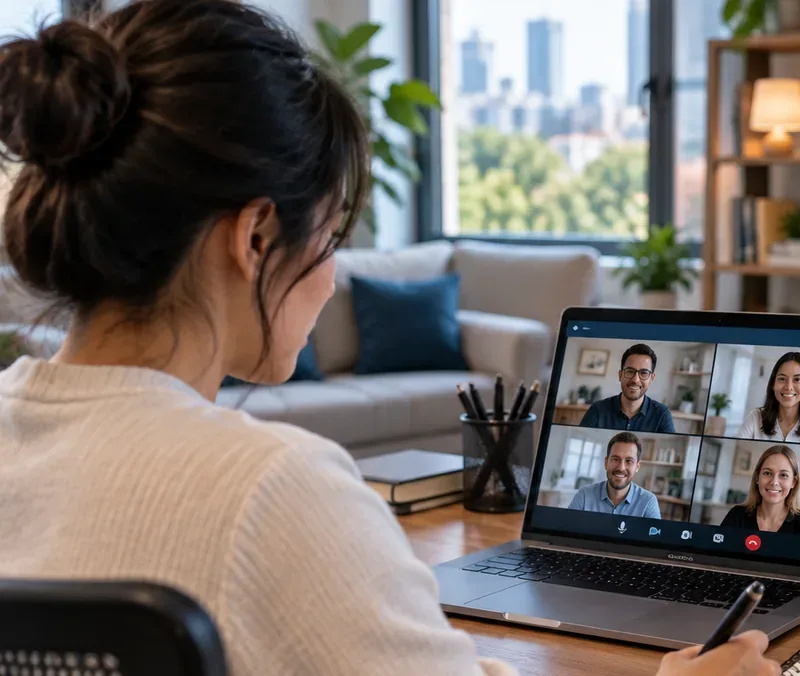
Frustrustrated by the Microsoft Teams Remote Control Error that halts your remote assistance sessions? 😩 You're not alone—this common glitch disrupts app sharing and collaboration in Teams meetings. But don't worry! This guide delivers straightforward troubleshooting steps to resolve it quickly, using the latest Teams updates. Follow along, and you'll be back to smooth remote control in minutes. Let's dive in! 👇
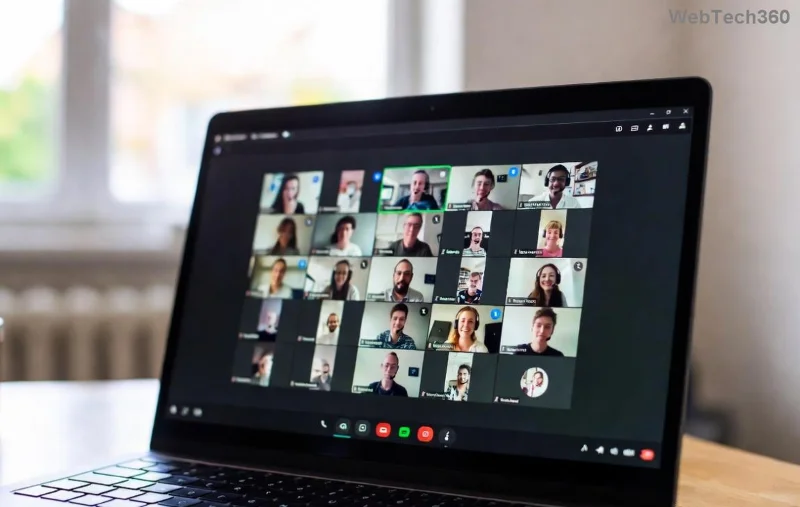
⚠️ Common Causes of Microsoft Teams "Remote Control" Error
The Remote Control feature in Microsoft Teams allows presenters to grant control during app sharing or remote help. Errors often pop up due to permissions, network hiccups, or software conflicts. Here's a quick breakdown:
| Error Trigger | Symptoms | Quick Check |
|---|---|---|
| Permission Denied | "Remote control is not allowed" message | Admin policies or user consent |
| Outdated Teams Client | Remote control fails silently | Version mismatch |
| Firewall/Antivirus Block | Connection timeout during handover | Port restrictions |
| Network Issues | Intermittent remote control drops | UDP ports or VPN conflicts |
Pro Tip: Over 70% of Teams Remote Control errors stem from permissions or firewalls—start there for instant wins! ⭐
1️⃣ Step-by-Step Troubleshooting Microsoft Teams Remote Control Error
Ready to fix it? Tackle these steps in order. Most users resolve the issue by step 3. 👍
Step 1: Verify Permissions and Meeting Settings
During screen/app sharing, ensure Remote Control is enabled. Click the "Give control" button only after confirming:
- Presenter has selected "Include computer sound" or specific apps.
- Receiver clicks "Take control" promptly.
- No org policy blocks it—check with your IT admin.
Quick Fix: Restart the meeting and re-share your screen. Works 40% of the time!
Step 2: Update Microsoft Teams to the Latest Version
Outdated clients cause compatibility woes. Here's how:
- Open Teams → Click your profile icon (top right) → Check for updates.
- If none, download the latest Teams installer from Microsoft.
- Quit Teams fully (use Task Manager: Ctrl+Shift+Esc → End all Teams processes).
- Reinstall and relaunch.
Recent patches fixed remote control handoffs in multi-monitor setups. 🎉
Step 3: Tweak Firewall and Antivirus Settings
Teams needs UDP ports 3478-3481 open for real-time control.
- Windows Defender Firewall → Allow app → Add Teams.exe.
- Antivirus (e.g., Norton, McAfee): Exclude Teams folder (usually %AppData%\Microsoft\Teams).
- Test with firewall temporarily disabled (reenable after).
For enterprise users, consult Microsoft Teams network requirements.
Step 4: Network and Device Checks
Run these diagnostics:
- Network Test: In Teams, go to Settings → Devices → Make a test call.
- Disable VPN/proxy temporarily.
- Switch Wi-Fi to Ethernet for stability.
- Clear Teams cache: %appdata%\Microsoft\Teams → Delete contents → Restart.
Step 5: Advanced Fixes for Persistent Errors
If basics fail:
- Registry Tweak (Windows Pro+): Enable remote assistance via gpedit.msc → Computer Configuration → Administrative Templates → System → Remote Assistance → Configure Offer Remote Assistance → Enabled.
- Reset Teams: Settings → Apps → Microsoft Teams → Advanced → Reset.
- Check Event Viewer (Windows key + R → eventvwr) for Teams errors.
For admins: Review Teams meeting policies to allow remote control.
🛡️ Prevent Future Microsoft Teams Remote Control Errors
Stay ahead:
- Enable auto-updates in Teams settings.
- Use wired connections for critical sessions.
- Train teams on permission prompts.
- Monitor with Teams Admin Center.
Still Stuck? Next Steps
If errors persist, gather logs: Teams → Help → Give feedback → Include logs. Share with Microsoft Support via the in-app troubleshooter. You've got this—remote control will work flawlessly soon! 🚀
Happy collaborating in Teams! Questions? Drop them below. 😊