How to set up IP and network DNS for LG Smart TV WebOS operating system

In the article below, WebTech360 will guide you through the steps to set up the IP address and DNS when LG Smart TV WebOS operating system when the TV is connected to the network.

Why should I set the network IP for TV ?

You need to set the IP address, network DNS for TV because:

- Each network needs an IP address, your TV will not be able to connect to the network without IP.

- Entering the correct IP, DNS is one of the ways to fix the error that TV cannot access the network.

Steps to set IP address and network DNS for LG Smart TV WebOS operating system

Step 1. First, your TV needs to be connected to the network. You can refer to how to do in the article below:

See more:


How to connect to a network for LG Smart TVs running WebOS

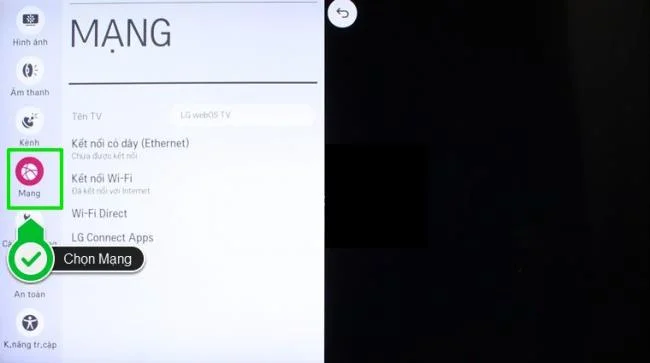
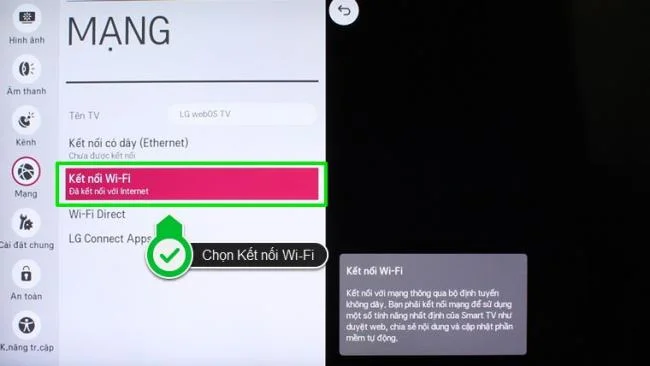
Step 2. Press Q.MENU button on the remote, then select Advanced setting item. In the Advanced Settings menu, select Network, and then choose the type of network you connect to. Here, WebTech360 connects to wifi for the TV, so it will select the Wi-Fi connection.

How to set up IP and network DNS for LG Smart TV WebOS operating system
Press the button Q.MENU
How to set up IP and network DNS for LG Smart TV WebOS operating system
Select Advanced Settings
How to set up IP and network DNS for LG Smart TV WebOS operating system
Select Network
How to set up IP and network DNS for LG Smart TV WebOS operating system
Select Wi-Fi connection

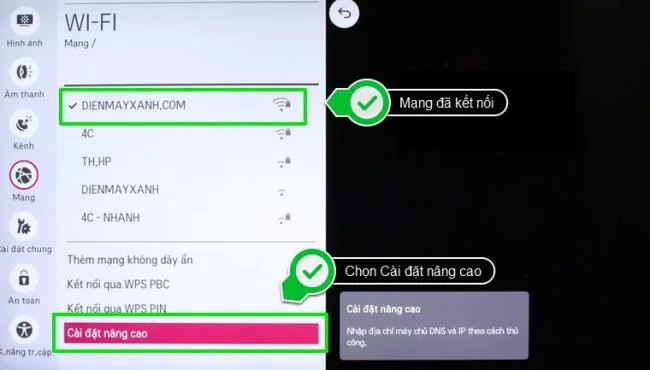
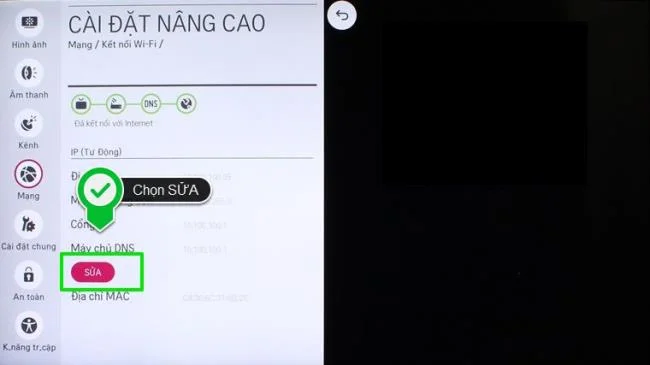
Step 3. Select Advanced Settings, then select EDIT to start IP and DNS settings.

How to set up IP and network DNS for LG Smart TV WebOS operating system
Select Advanced Settings
How to set up IP and network DNS for LG Smart TV WebOS operating system
Select EDIT

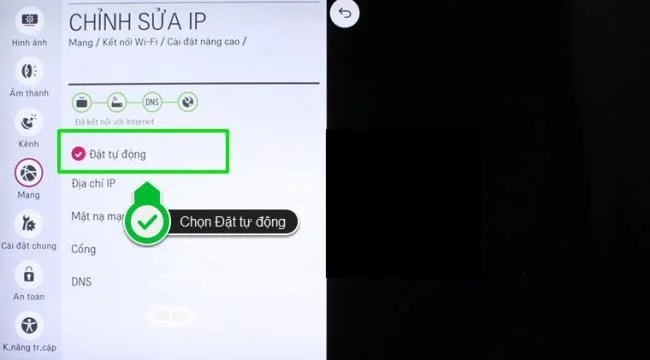
+ If you want to set the IP in automatic mode: Select Set automatically. When a tick appears, automatic mode is enabled.

How to set up IP and network DNS for LG Smart TV WebOS operating system
Automatic IP setting

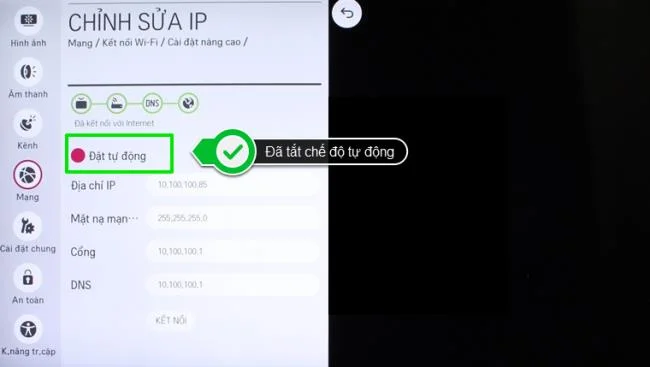
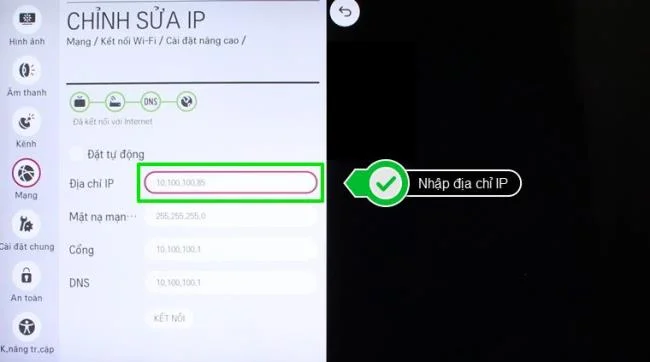
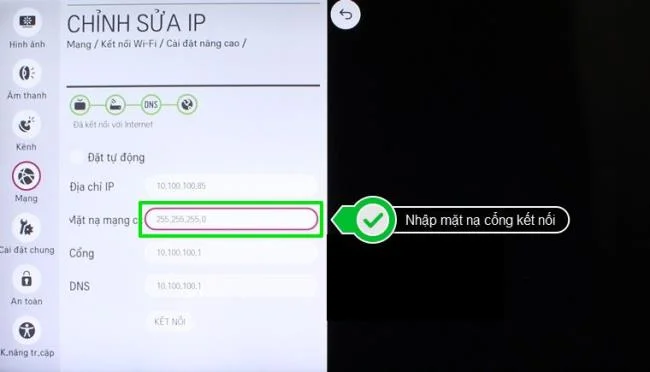
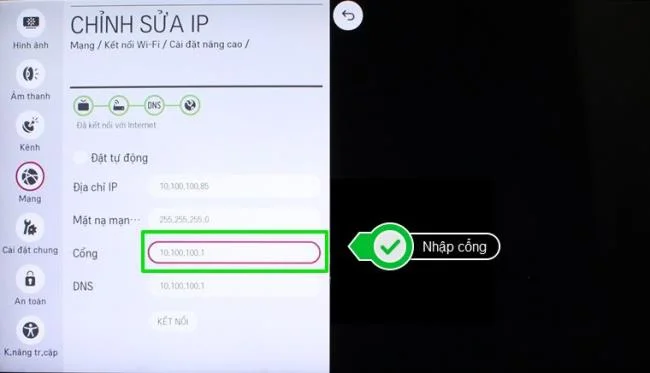
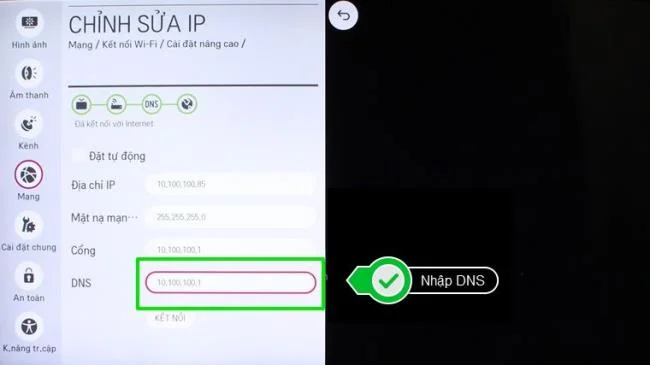
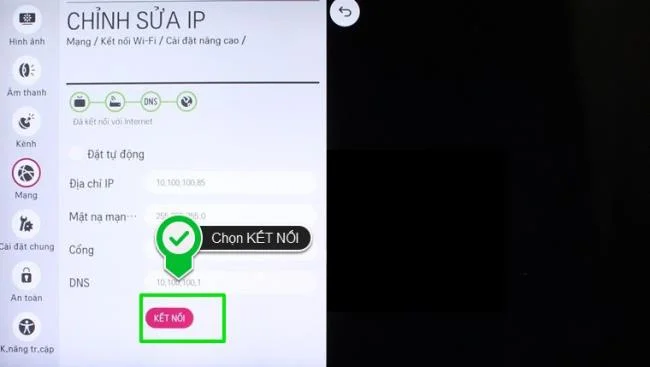
+ If you want to set the IP manually: You just need to turn off the automatic mode (the tick mark is no longer available) and enter the IP address, gateway mask, Gateway and DNS for the TV. Finally, just select CONNECT to complete the IP setup.

How to set up IP and network DNS for LG Smart TV WebOS operating system

Turn off automatic mode
How to set up IP and network DNS for LG Smart TV WebOS operating system
Enter the IP address
How to set up IP and network DNS for LG Smart TV WebOS operating system
The default gateway mask is 225.255.255.0
How to set up IP and network DNS for LG Smart TV WebOS operating system
Enter Port (usually 10,100,100.1 by default)
How to set up IP and network DNS for LG Smart TV WebOS operating system
Enter DNS (usually default is 10,100,100.1)
How to set up IP and network DNS for LG Smart TV WebOS operating system
After installing the IP, just select CONNECT to complete.

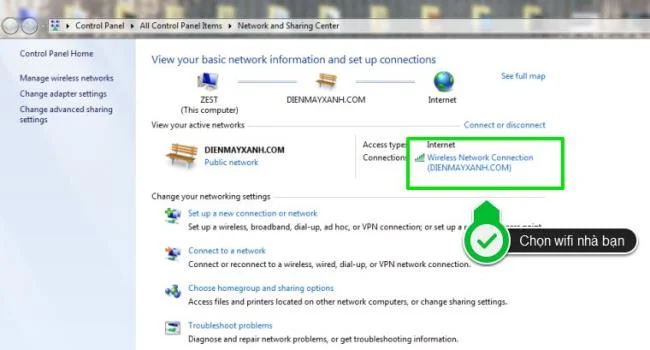
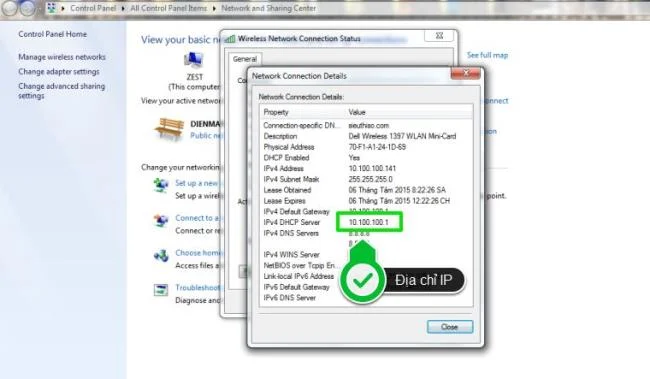
Note: To know the exact IP address of your home network, you should use a computer connected to the network to check. How to check as follows:

How to set up IP and network DNS for LG Smart TV WebOS operating system
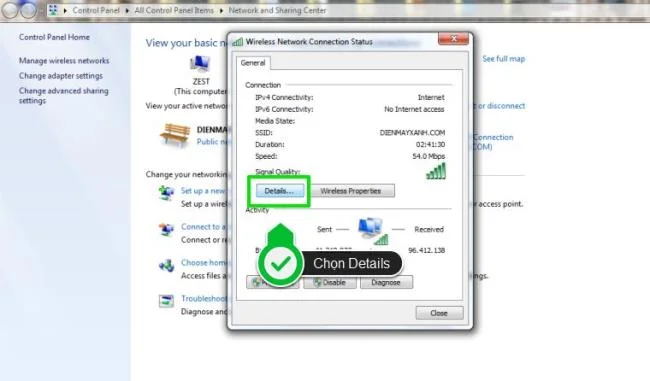
Open the Network and Sharing Center window, then select the connected network
How to set up IP and network DNS for LG Smart TV WebOS operating system
Select Details to display network information
How to set up IP and network DNS for LG Smart TV WebOS operating system
The correct IP of the network is in the IPv4 DHCP server entry

See more:


Fix TV not connected to the network

Above are the steps to set up IP and network DNS on LG Smart TV WebOS operating system, wish you success!

WebTech360

Leave a Comment

Diagnose High CPU from Collabora’s coolwsd or loolwsd

Diagnose High CPU from Collabora’s coolwsd or loolwsd

Find out whether CPU load comes from active documents, idle worker processes, or server capacity before changing Collabora settings or restarting the service.

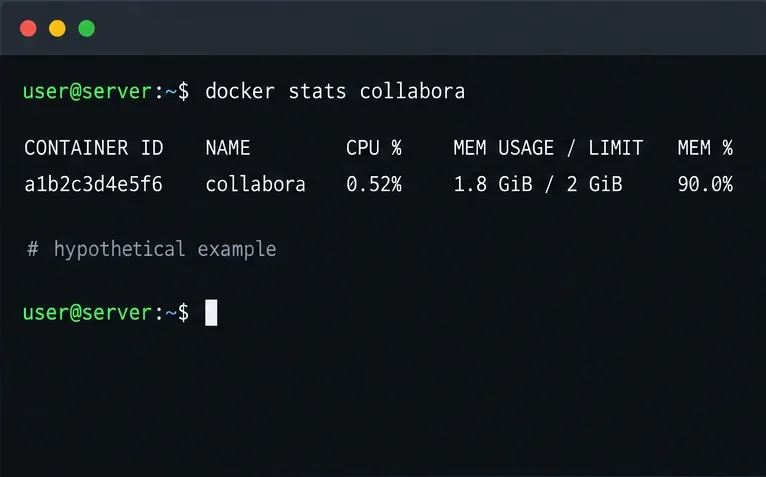
Raise the CODE Container’s Memory Cap Without Guessing

Raise the CODE Container’s Memory Cap Without Guessing

Check whether Docker is capping Collabora CODE, raise the Compose memory limit safely, and confirm the running container received the new cap.

Customize Collabora CODE Toolbars Without Editing Source

Customize Collabora CODE Toolbars Without Editing Source

Simplify Collabora CODE with Compact or Tabbed mode and WOPI PostMessage controls to hide selected buttons, commands, and tabs safely.

Run Collabora CODE Behind Nginx with TLS Termination

Run Collabora CODE Behind Nginx with TLS Termination

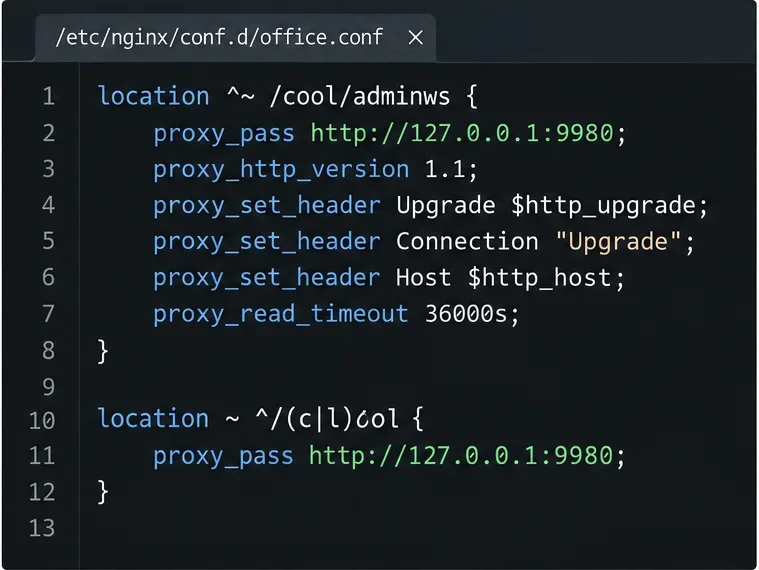
Put Nginx in charge of HTTPS for a Collabora CODE container, forward editing WebSockets correctly, and verify the public endpoint without exposing port 9980.

Keep Text Visible When the Collabora Mobile Keyboard Opens

Keep Text Visible When the Collabora Mobile Keyboard Opens

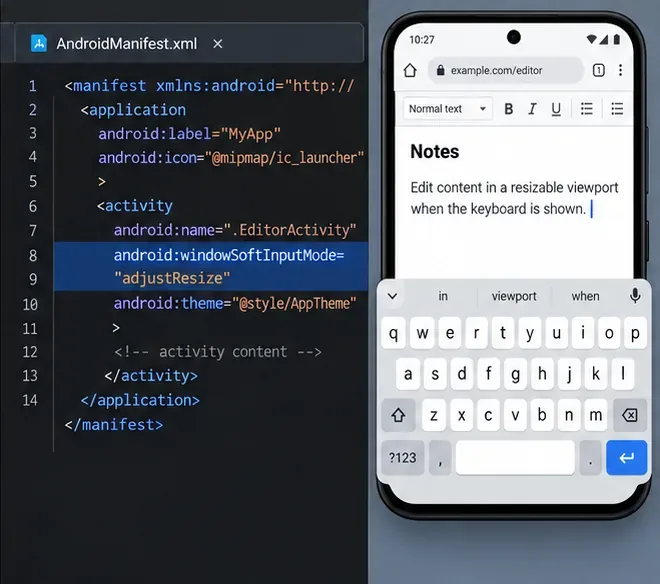
Troubleshoot a mobile browser keyboard covering text in Collabora Online, with quick workarounds and separate checks for browsers, embedded WebViews, and host pages.

Stop Unwanted Printing and Downloads in ONLYOFFICE

Stop Unwanted Printing and Downloads in ONLYOFFICE

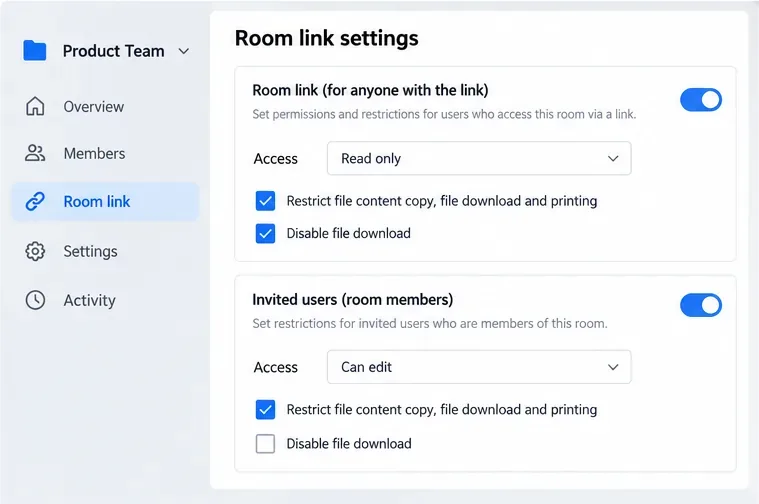
Set print and download limits for ONLYOFFICE links, room members, or Docs API sessions, then verify the restrictions from a recipient account.

Schedule Reliable Backups for ONLYOFFICE Workspace

Schedule Reliable Backups for ONLYOFFICE Workspace

Set a backup destination, schedule, Mail coverage, and retention limit in ONLYOFFICE Workspace, then verify the archive is ready to restore.

Deploy ONLYOFFICE Docs Enterprise with Its Official Compose File

Deploy ONLYOFFICE Docs Enterprise with Its Official Compose File

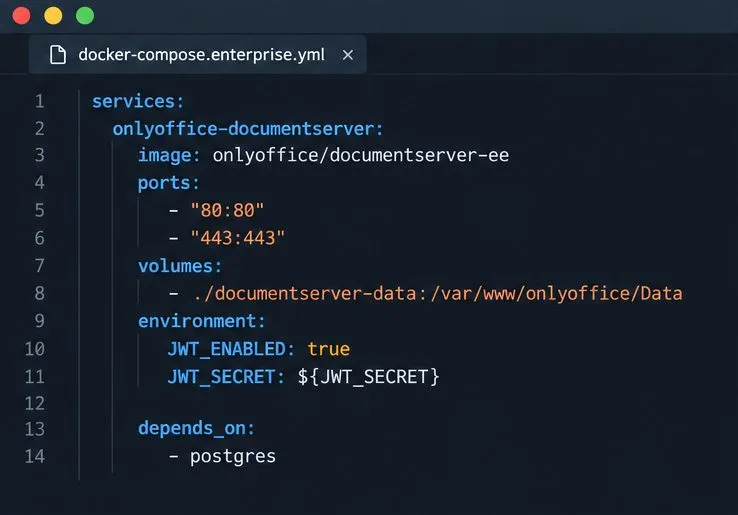
Start the Enterprise Docker Compose stack, persist its license and data, configure JWT safely, and confirm the editors are ready to integrate.

Clean Spreadsheet Text with a Reusable ONLYOFFICE Macro

Clean Spreadsheet Text with a Reusable ONLYOFFICE Macro

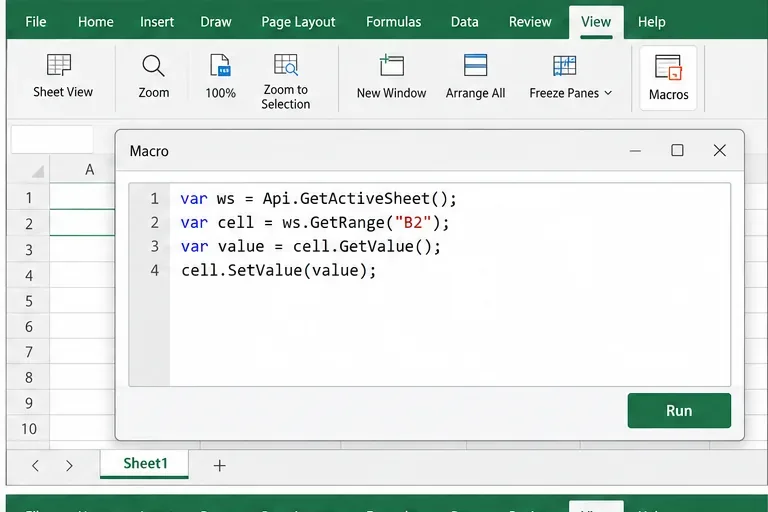
Use an ONLYOFFICE JavaScript macro to remove nonprinting characters and trim extra spaces from a defined spreadsheet range, with a safe review workflow.

Sync Active Directory Users with ONLYOFFICE DocSpace via LDAP

Sync Active Directory Users with ONLYOFFICE DocSpace via LDAP

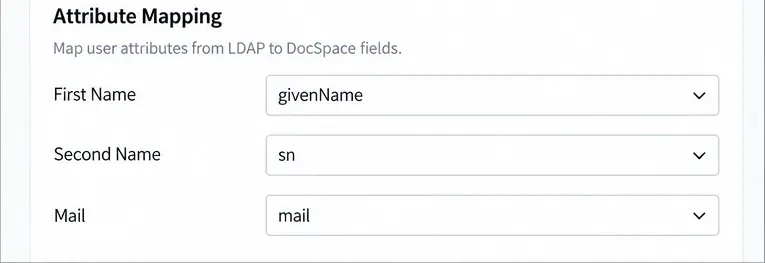
Connect ONLYOFFICE DocSpace to Active Directory or OpenLDAP, import users and groups safely, map account fields, and schedule reliable synchronization.