Steaming tamales keeps the masa soft and the fillings juicy, which is why it remains the preferred cooking method over baking or microwaving. If you want to know exactly how to steam a tamale from frozen or freshly assembled, this process takes about 45 to 90 minutes depending on quantity and starting temperature. Follow the steps below to set up your steamer correctly and avoid common issues like soggy husks or undercooked centers.
Equipment and Ingredients Needed First
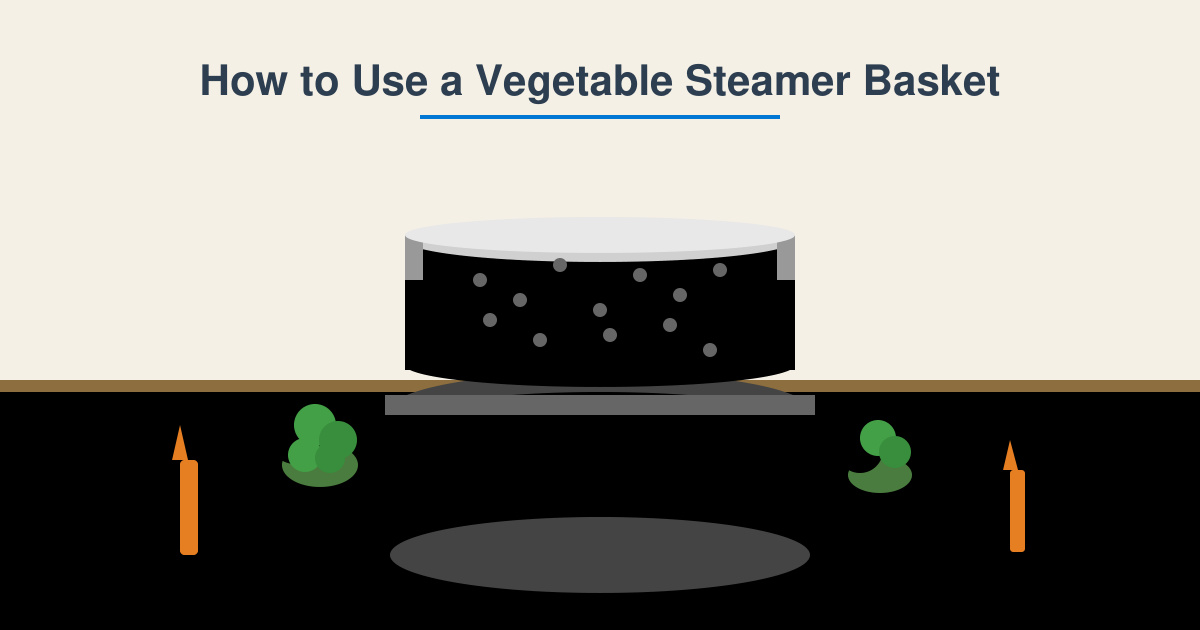
Before you begin steaming, gather a large stockpot with a tight-fitting lid, a steamer basket or metal colander that sits above the water line, and enough water to create steady steam without touching the tamales. You will also need corn-husk-wrapped tamales, either homemade or store-bought, and optionally a few extra corn husks to line the basket. Having these items ready prevents interruptions once the water starts boiling.
Place the pot on your stove and test that the steamer basket fits without resting in the water. If your tamales are frozen, do not thaw them ahead of time; they steam straight from the freezer. This setup works on any standard stovetop and scales easily for batches of six to twenty tamales.
How to Steam a Tamale in a Standard Pot
-
Fill the pot and bring water to a boil
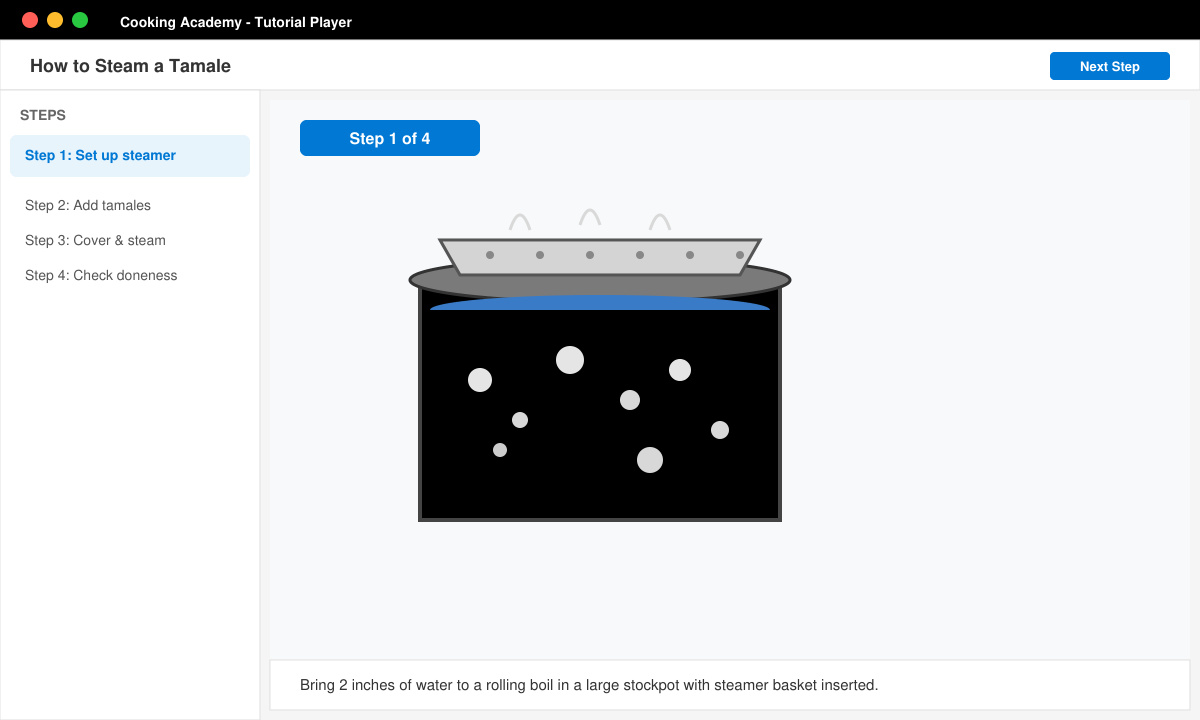
Pour 2 to 3 inches of water into the bottom of your stockpot. Insert the steamer basket so it sits at least one inch above the water. Bring the water to a rolling boil over high heat, then reduce to medium-high so steam rises steadily but the water does not evaporate too quickly.
-
Arrange tamales upright in the basket
Stand the tamales vertically with the open end of the corn husk facing upward. Pack them loosely enough for steam to circulate but tight enough that they support one another. If you have extra husks, lay a few across the top to help trap moisture during the cook.
-
Cover and maintain steam for the full time
Place the lid on the pot. Set a timer for 45 minutes if the tamales are fresh or 75 to 90 minutes if they are frozen. Check the water level every 20 minutes and add boiling water as needed to keep steam consistent. Do not lift the lid unnecessarily, as this releases heat and extends the cooking time.
-
Test for doneness by unwrapping one tamale
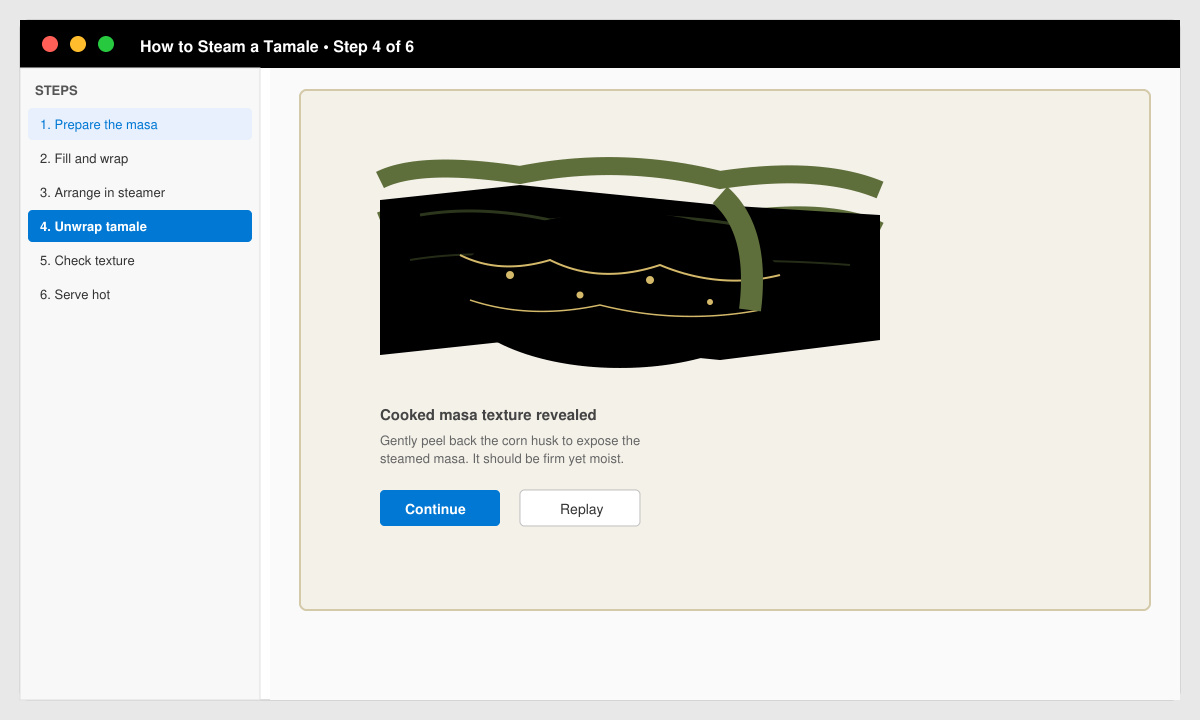
After the minimum time, remove one tamale with tongs. Let it cool for two minutes, then peel back the husk. The masa should pull away cleanly from the husk and feel firm yet moist. If it still sticks, return the tamale to the pot and steam another 10 to 15 minutes before testing again.
-
Rest and serve the finished tamales
Turn off the heat and let the remaining tamales sit covered for five minutes. This allows any residual steam to finish setting the masa. Serve immediately with salsa, crema, or your preferred toppings while they are still hot.
Common Problems and How to Fix Them
Water touching the tamales causes soggy husks; always verify the basket sits above the water line before adding tamales. If the masa feels dry after steaming, the heat was too high or the lid was lifted too often—next time keep the lid sealed and maintain a gentle simmer. Frozen tamales sometimes need an extra 20 minutes; never rush by raising the heat above medium-high, which can boil away the water before the center cooks.
For smaller batches, a bamboo steamer over a wok works the same way. Electric steamers also produce good results but require checking the water reservoir halfway through the cycle.
Frequently Asked Questions
Can I steam tamales in an Instant Pot?
Yes. Add one cup of water, place tamales on the trivet, seal the lid, and cook on manual high pressure for 15 minutes with a natural release of 10 minutes. This method works well for six to eight tamales.
How long do steamed tamales stay good?
Refrigerate cooked tamales in an airtight container for up to four days. Reheat by steaming again for 10 to 15 minutes or wrap in a damp paper towel and microwave for 60 to 90 seconds.
Do I need to add anything to the steaming water?
Plain water is sufficient. Some cooks add a bay leaf or a pinch of salt for subtle aroma, but it is not required for proper cooking.
Conclusion
Once you understand the water level, timing, and doneness test, how to steam a tamale becomes a reliable, repeatable process that delivers consistent texture and flavor.