Steaming eggs produces tender whites and creamy yolks without the cracking issues common in boiling. If you want reliable results, learning how to steam an egg is straightforward and requires only basic kitchen tools. This guide covers the full process from setup to peeling for consistent outcomes.
Why Steaming Eggs Works Better Than Boiling
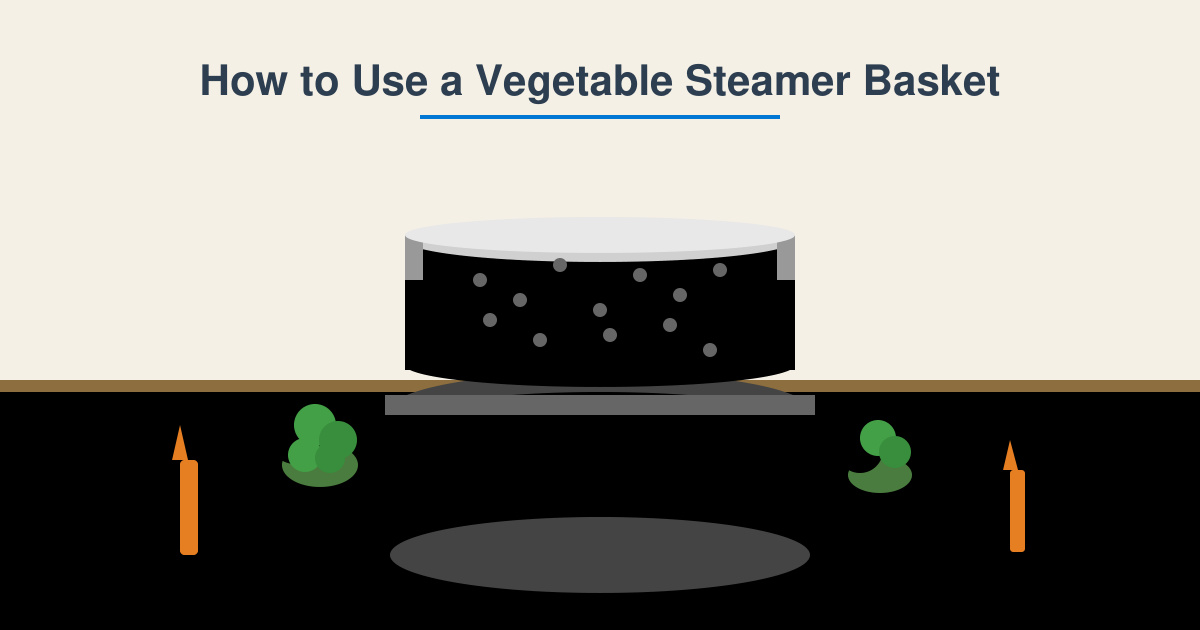
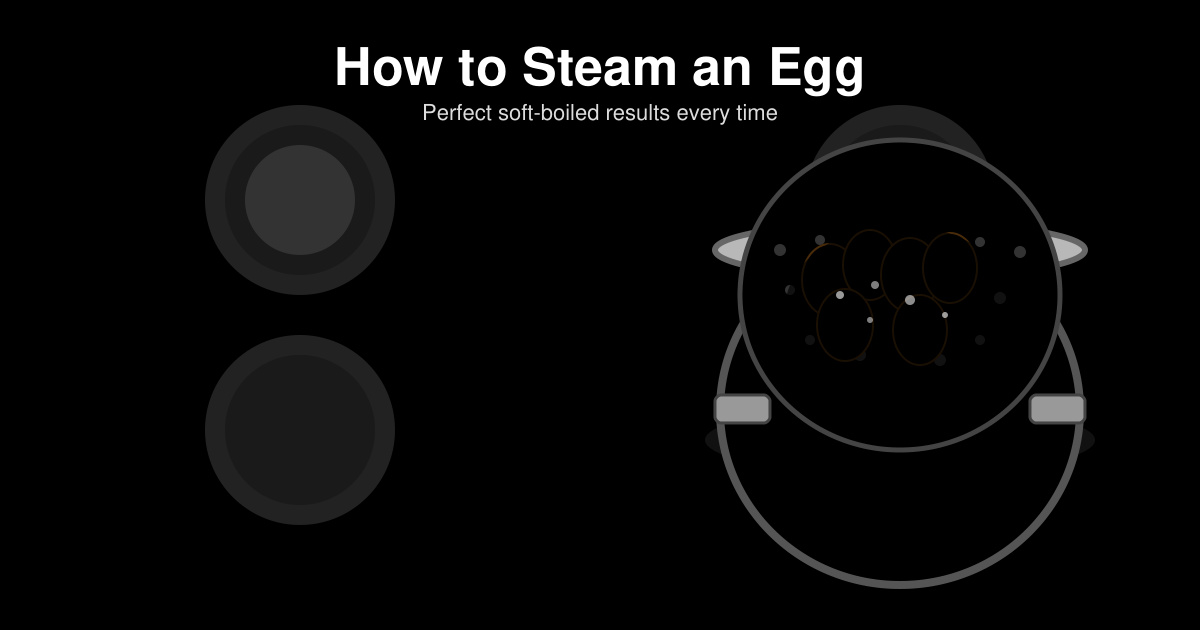
Steaming uses indirect moist heat that cooks eggs evenly from all sides. The shells stay intact more often because the eggs never sit in rapidly bubbling water. Many cooks prefer this approach for soft, medium, or hard yolks since timing is more predictable once the water reaches a steady simmer. You can use a dedicated steamer basket, a metal colander, or even a bamboo steamer over a pot of water.
Preparation takes just a few minutes. Gather a pot with a lid, a steamer insert that fits inside, and eggs straight from the refrigerator. Keep an ice bath ready for quick cooling afterward. No special equipment beyond these items is necessary for home cooks.
How to Steam an Egg Step by Step
-
Fill the pot and bring water to a simmer
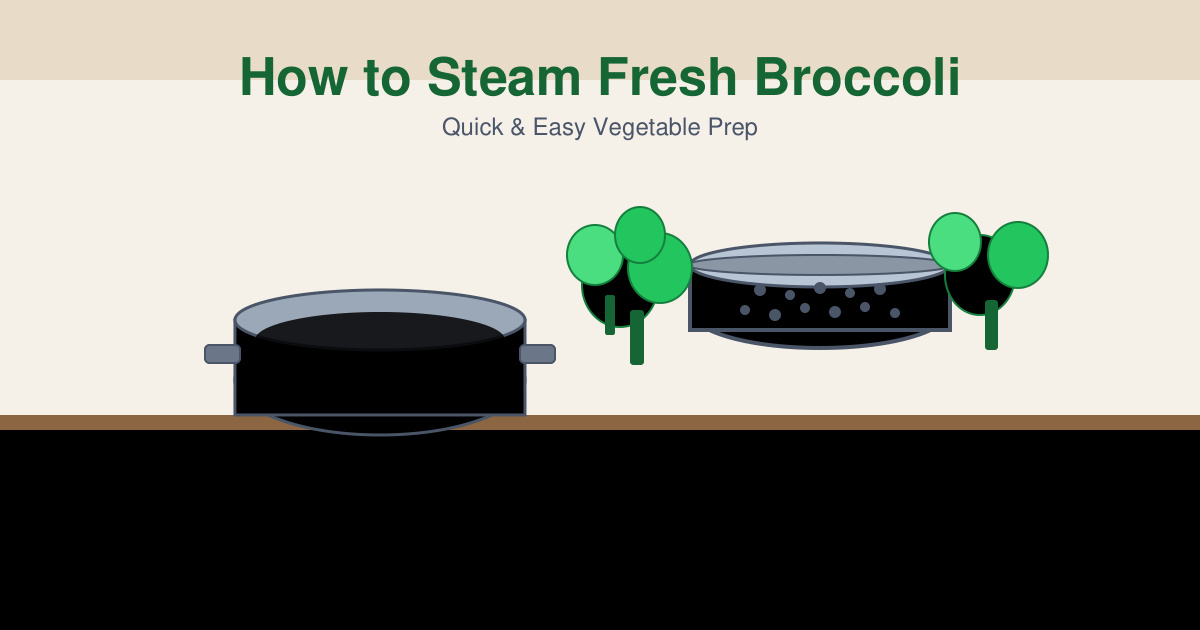
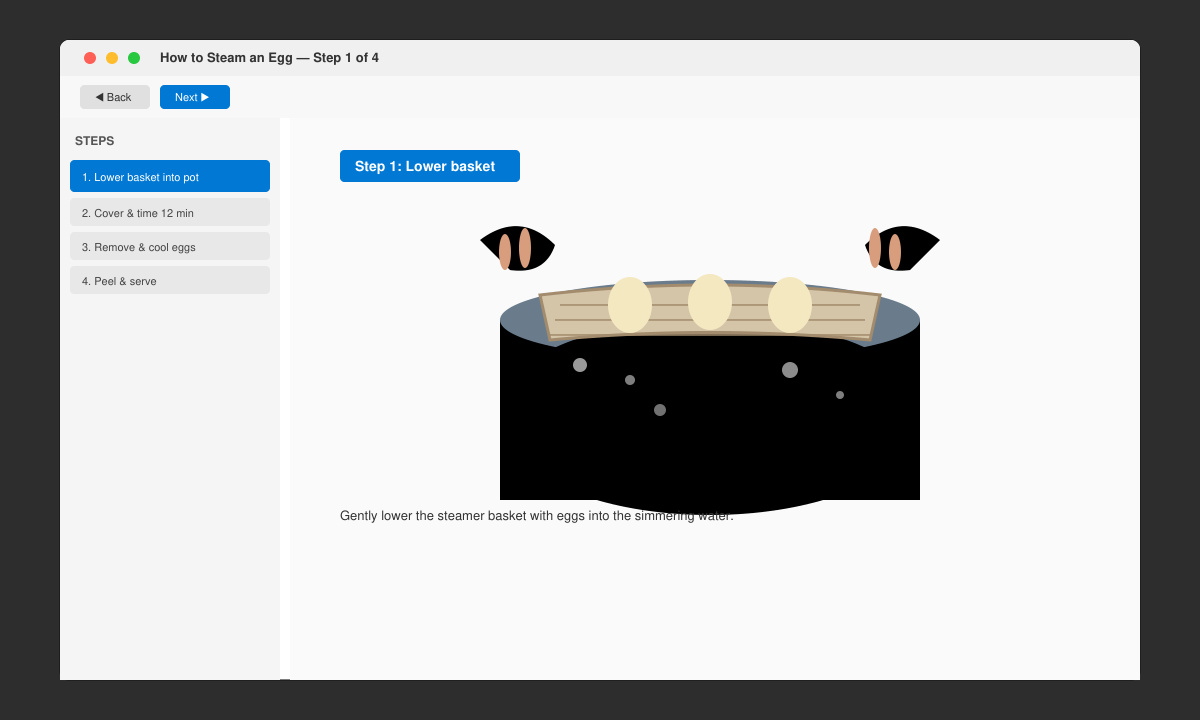
Pour one inch of water into a medium saucepan. Place the steamer basket or insert into the pot so it sits above the water line. Cover the pot and bring the water to a steady simmer over medium-high heat. This usually takes three to four minutes. You should see small bubbles forming but not a rolling boil.
-
Add the eggs and start timing
Once the water simmers, carefully place the eggs into the steamer basket in a single layer. Replace the lid immediately. Set a timer based on your preferred doneness: six minutes for soft yolks with runny centers, nine minutes for jammy yolks, and twelve minutes for fully firm yolks. Keep the heat at medium so the water continues to simmer gently beneath the eggs.
-
Prepare an ice bath while the eggs cook
Fill a medium bowl with cold water and add several ice cubes. This stops the cooking process instantly once the timer goes off and makes peeling easier later. Have the bowl ready near the stove before the eggs finish steaming.
-
Transfer eggs to the ice bath
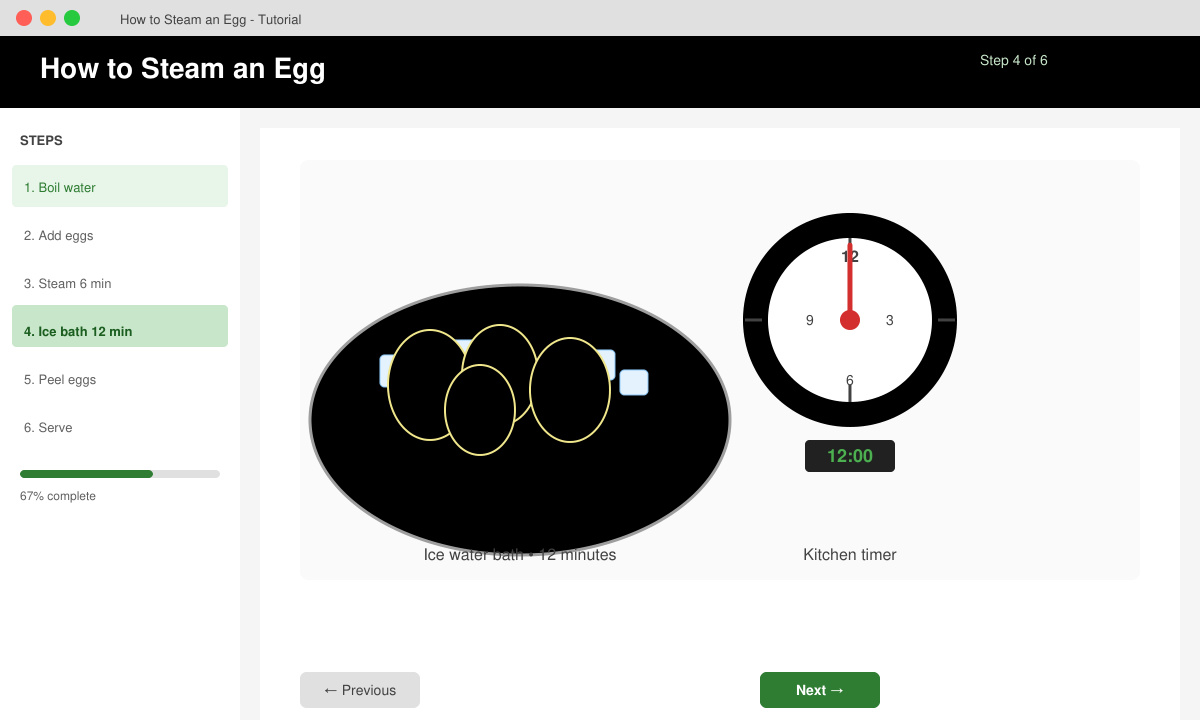
When the timer sounds, use tongs or a slotted spoon to move the eggs directly into the ice water. Leave them there for at least five minutes. This rapid cooling prevents overcooking and helps the shell separate cleanly from the egg white.
-
Peel and serve
Tap each egg gently on the counter to crack the shell, then roll it to loosen the membrane. Peel under cool running water for the cleanest results. Store any unpeeled eggs in the refrigerator for up to one week.
Tips for Consistent Steamed Eggs
- Start with cold eggs straight from the fridge. Room-temperature eggs cook slightly faster and may throw off your timing.
- Do not overcrowd the steamer basket. Leave a little space between eggs so steam can circulate evenly around each one.
- If using a bamboo steamer, line the bottom with parchment paper or cabbage leaves to prevent sticking.
- For extra-large eggs, add one minute to the recommended times. For small eggs, subtract one minute.
- Check water levels halfway through longer cooks. Add a splash of hot water if the pot looks dry to maintain steady steam.
Frequently Asked Questions
Can I steam eggs without a steamer basket?
Yes. Place a metal colander or heatproof plate inside the pot so it sits above the water. The process works the same way once steam builds under the lid.
How long do steamed eggs last in the fridge?
Unpeeled steamed eggs stay fresh for up to seven days when stored in a covered container. Peeled eggs should be eaten within two days.
Why do my steamed eggs sometimes have a green ring?
A green ring forms when eggs are overcooked or cooled too slowly. Follow the exact timing and move them straight into the ice bath to avoid this discoloration.
Conclusion
Mastering how to steam an egg gives you reliable texture control and fewer cracked shells. With the steps above you can produce soft, jammy, or hard eggs whenever you need them.