Home
» Wiki
»
How to use Microsoft 365 AI features wisely
How to use Microsoft 365 AI features wisely
Microsoft now offers AI-powered Copilot features as part of existing Microsoft 365 Personal and Family subscriptions—no add-on required. But the capabilities aren't limitless—they work on a new system called "AI credits."
Learn about Microsoft AI Credit
AI credits are essentially a virtual currency across many Microsoft products and services that power AI-powered features. Every time you use an AI feature, whether it's generating suggested responses in Outlook or using Copilot to create a presentation in PowerPoint , that feature consumes a certain amount of AI credits.
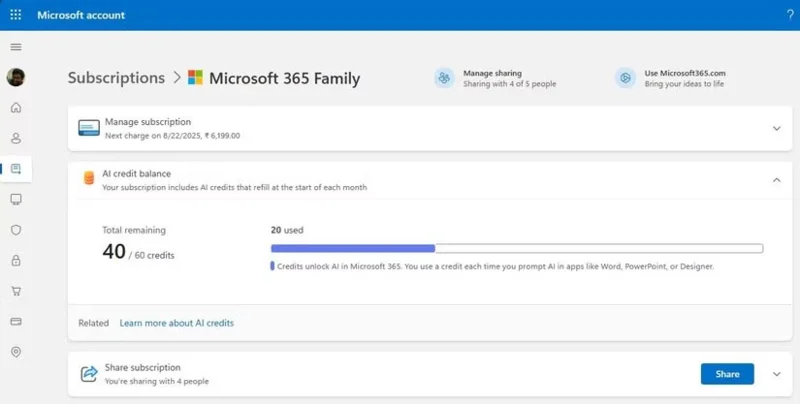
AI credit allocation is linked to your Microsoft 365 subscription. Microsoft 365 Personal and Family subscribers will receive 60 AI credits per month, which can be used across a variety of apps, including Word, Excel, PowerPoint, Outlook, Microsoft Forms, OneNote, Designer, Notepad, Photos, and Paint.
Yes, these credits are consumed outside of Microsoft 365 apps as well. It's odd because Microsoft Designer , for example, offers 15 credits per month to free subscribers (anyone with a Microsoft account) but if you have a Microsoft 365 subscription, your credit usage will be in the 60 credit range.
Using AI credits in Microsoft 365 apps
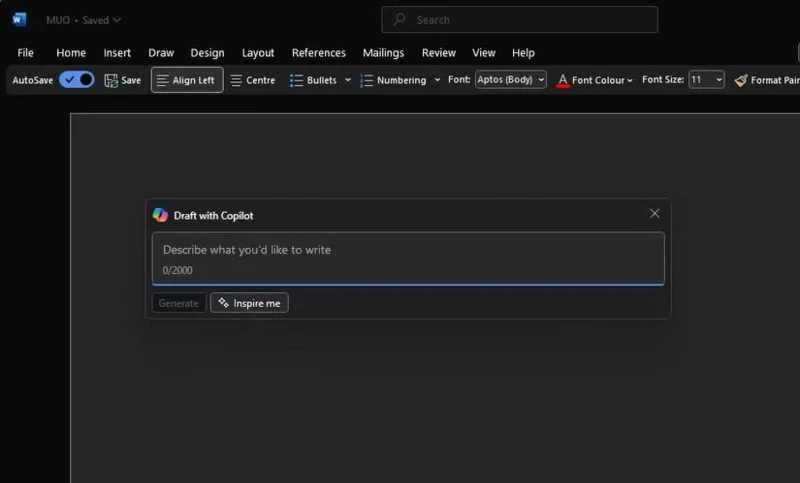
AI credits are built into Microsoft 365 apps and some first-party Windows apps. The system automatically deducts the required credits in the background every time you use an AI-powered feature in any productivity app. A credit is used every time you perform an AI-related action, such as generating text, creating a table, or editing an image.
Using Draft with Copilot in Word
What’s odd about this system is that the AI benefits are only available to the subscription owner and can’t be shared with other members of the Microsoft 365 Family. Since subscribers pay more for the Family plan than they do for the Personal plan, Microsoft should give more credits to Family subscribers and allow family members to share those credits as they wish, just like OneDrive storage.
Track and manage AI credit usage
You can track your credit usage on your Microsoft account page. Credits reset on the first day of each month, regardless of whether they've been used or not. And note that unused credits don't roll over to the next month.
AI credits for Microsoft 365
To manage your AI credit consumption, you can optimize the types of tasks you use AI-enabled features for. For example, for a simpler, less demanding task, you can choose to do it yourself to save AI credits for more complex, time-consuming work.
Or you can use other AI tools and chatbots to complement the Copilot features in your Microsoft 365 apps. For example, move more content creation and research work to Gemini and ChatGPT instead of doing it in Word to avoid using AI credit — creating an entire slide deck in PowerPoint or visualizing data in Excel is a much better use of that credit.
Additionally, while Word offers a way to rewrite content using Copilot to change the tone or length, you can do that using the Copilot app on Windows—which doesn't take AI credit—and copy the results into the Word document you're working on.
Curiously, there’s currently no way to buy more credits or upgrade to a higher-end subscription. The only option is to subscribe to the long-standing $20/month Copilot Pro plan. Copilot Pro subscribers can use AI features in Microsoft 365 apps and other Windows experiences without worrying about a credit limit.
Tip : If you want to turn off Copilot in any Microsoft 365 app, you can clear the Enable Copilot check box in the app's settings.
Now that Copilot features are available to all Microsoft 365 subscribers, it’s a great way to try out these AI-powered features in your everyday productivity apps without an additional subscription. If you pay attention to your AI credits and manage them effectively, you can get the most out of AI in the Microsoft ecosystem.