How to Update Google Chrome Browser

Learn how to update Google Chrome browser on Windows, Mac, and Android in minutes to enjoy better security, speed, and new features. Follow these clear steps.
In June 2020, Google rolled out a feature that Android users have been eagerly awaiting for years, a rival to AirDrop on Apple devices. The feature is called Nearby Share, and it lets you easily share things with other Android users. Here's how to use Nearby Share.
How to use Nearby Share on Android phones
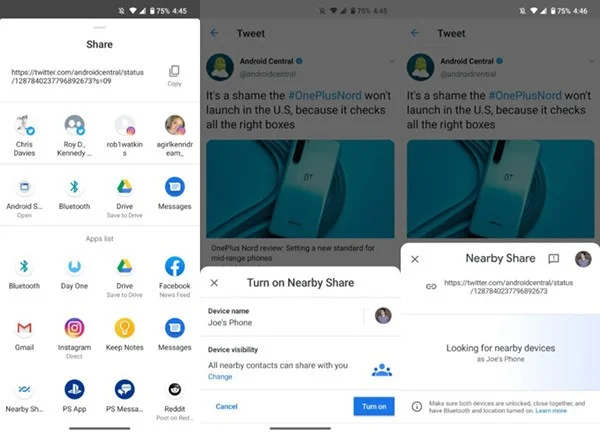
Nearby Share is as easy as sharing something through any other app on your phone, with the whole process going like this:
1. Tap the share icon on the thing you want to share (it looks like three circles with lines connecting them).
2. Swipe up to enter the Android share menu.
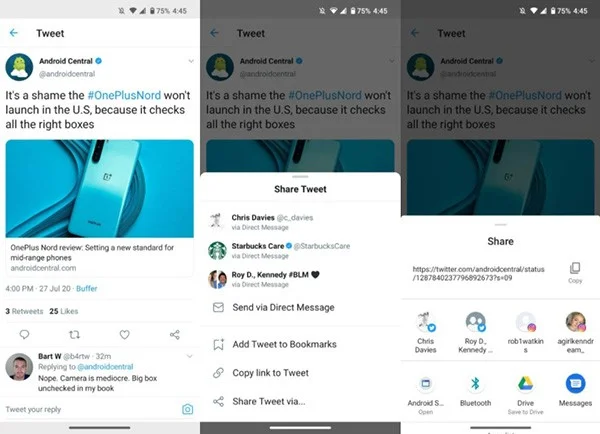
3. Tap the Nearby Share icon.
4. Enable Nearby Share.
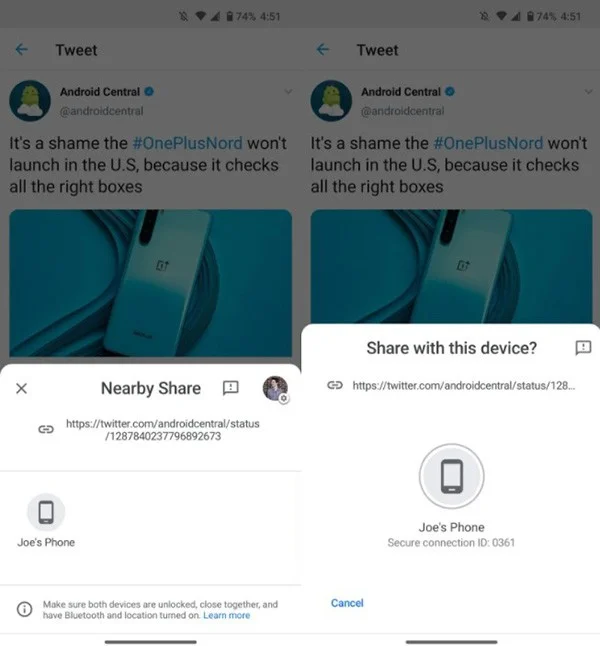
5. Nearby Share will find the contact you want to share the link with.
6. Any available devices will be displayed on your phone.
7. Click on the device you want to share with.
You can use Nearby Share to share links, files, and other items on your phone, so feel free to use it to share anything.
How to accept Nearby Share connections on Android phones
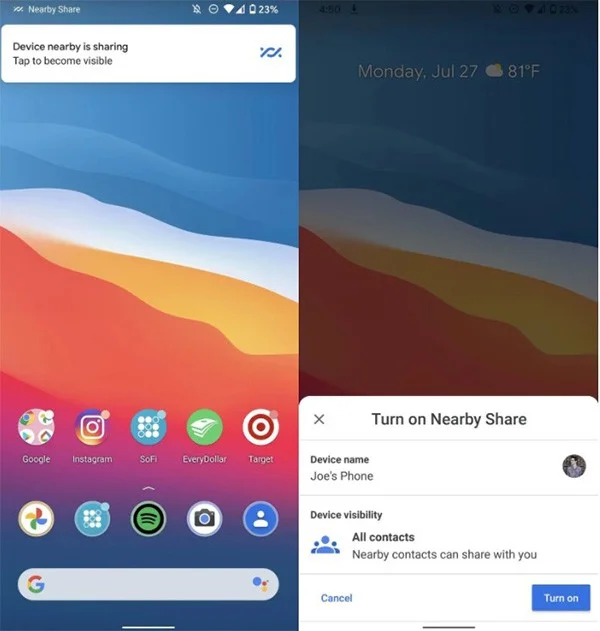
Here's what you'll see when you receive a share via Nearby Share.
1. Tap the Nearby Share pop-up notification on your screen.
2. Select Turn on .
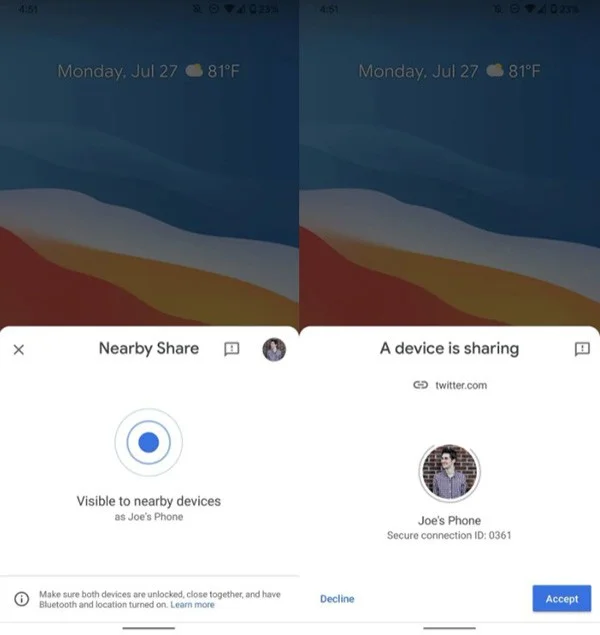
3. Your phone will search for what content is being shared with you.
4. Select Accept to agree to share.
Again, it's a simple user interface that makes Nearby Share easy to use.
How to Customize Nearby Share on Android Phones
Now that you know how to use Nearby Share, it's time to start customizing the feature so it works exactly the way you want.
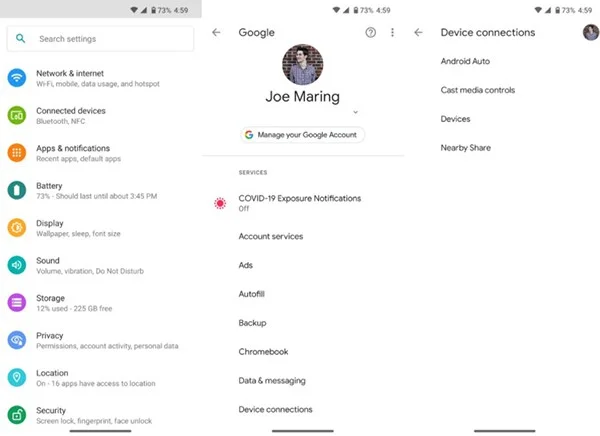
1. Open the Settings app on your phone.
2. Scroll down and select Google.
3. Click Device connections .
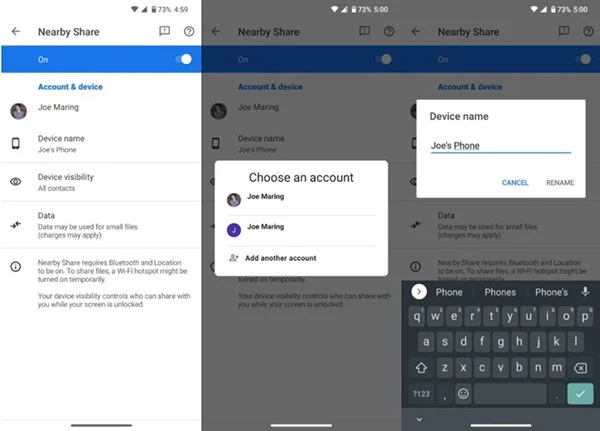
4. Select Nearby Share .
5. Click on the name to change the Google account you want to use for sharing.
6. Click Device name to change the device name when sharing something.
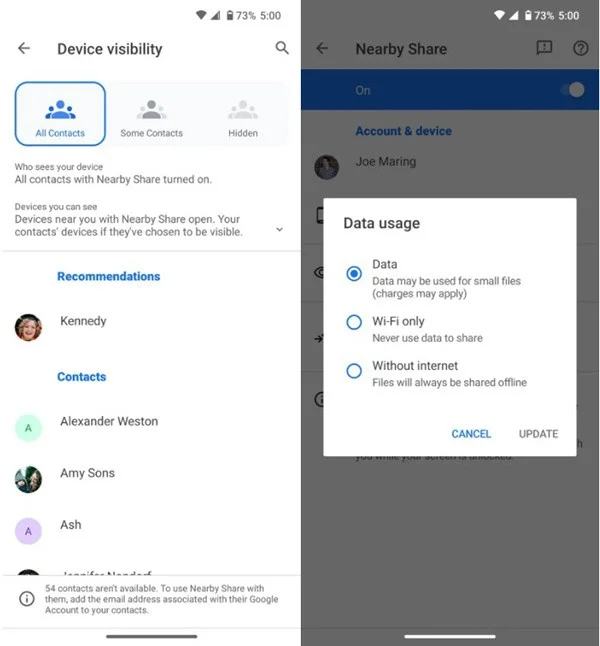
7. Select Device visibility to change who you share with.
8. Select Data usage if you want to use data, Wifi or offline sharing.
Those last two settings are probably the most important, as they greatly affect how you can use Nearby Share. If you’re sharing a sensitive file that you don’t want to accidentally end up in the wrong hands, you can limit Nearby Share to only a select few contacts. Furthermore, if you don’t want other Android users to be able to send you things, you can hide your phone from the service entirely.
The data usage page is also pretty cool, especially the option to share files exclusively without an internet connection. Sharing can be a little slow (especially with large files), but it’s a great option if you’re trying to keep track of your data usage.
Learn how to update Google Chrome browser on Windows, Mac, and Android in minutes to enjoy better security, speed, and new features. Follow these clear steps.
Learn how to download old media from WhatsApp and recover photos or videos from past chats. Follow these clear steps to save files that no longer appear in your gallery.
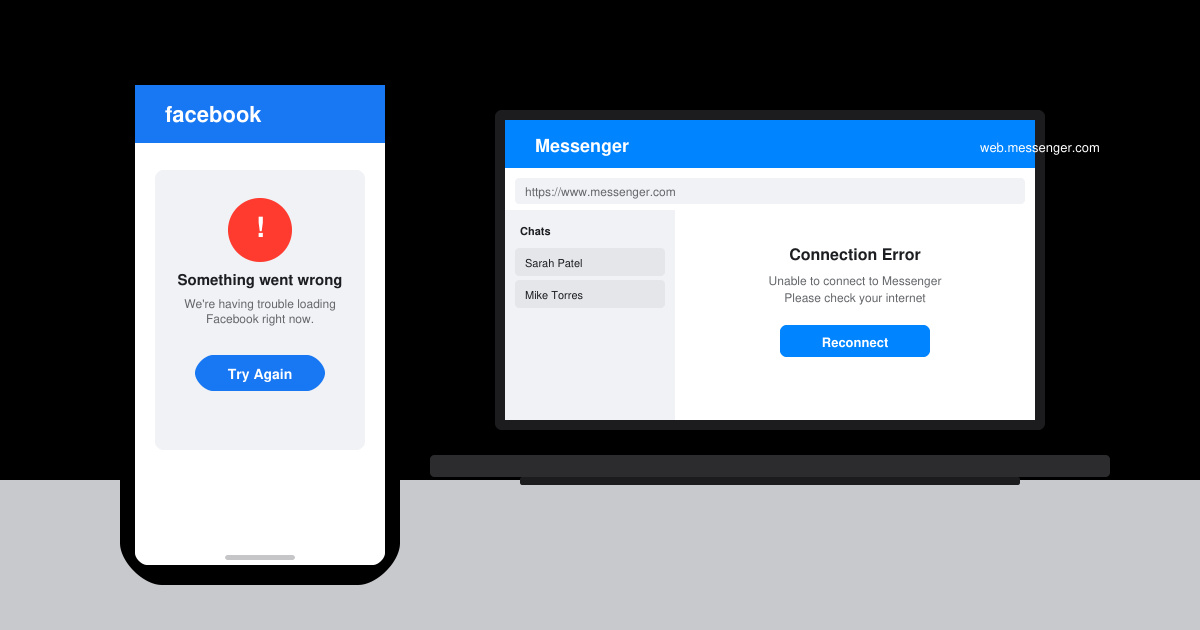
Facebook Messenger Isn T Working on your device? Use these exact troubleshooting steps to restore chats, calls, and notifications fast on Android, iOS, or desktop.
How to See Deleted WhatsApp Messages using your phone's built-in tools. Follow these exact steps to recover messages that contacts have deleted from chats.
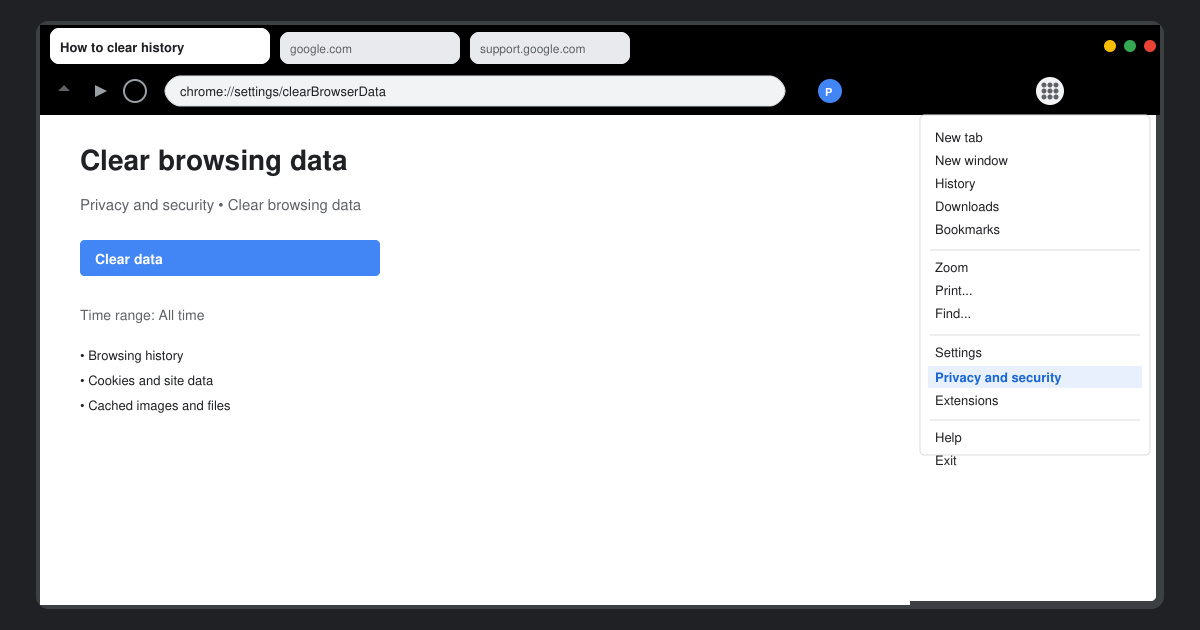
Learn how to clear browser history in Chrome on desktop and Android with this exact step-by-step process. Keep your browsing private and free up storage space quickly.
Master how to use CapCut with this practical walkthrough covering project setup, editing tools, effects, and export options for high-quality video results.
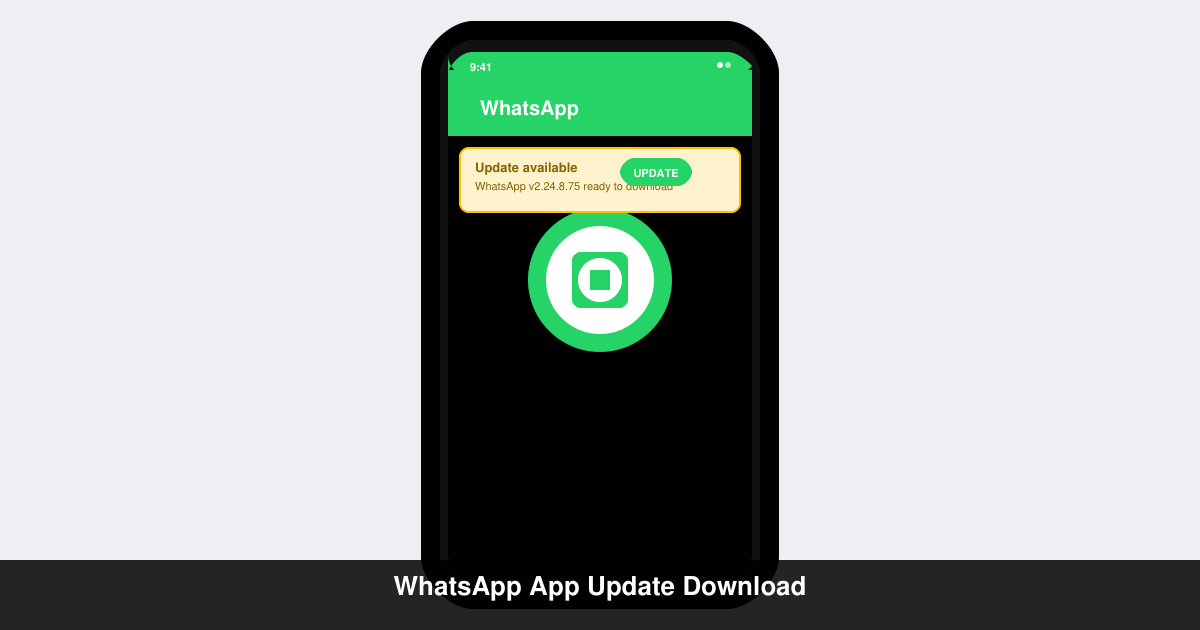
Get the latest WhatsApp App Update Download from official sources to access new features and security improvements. Follow these clear steps for Android and iOS devices.
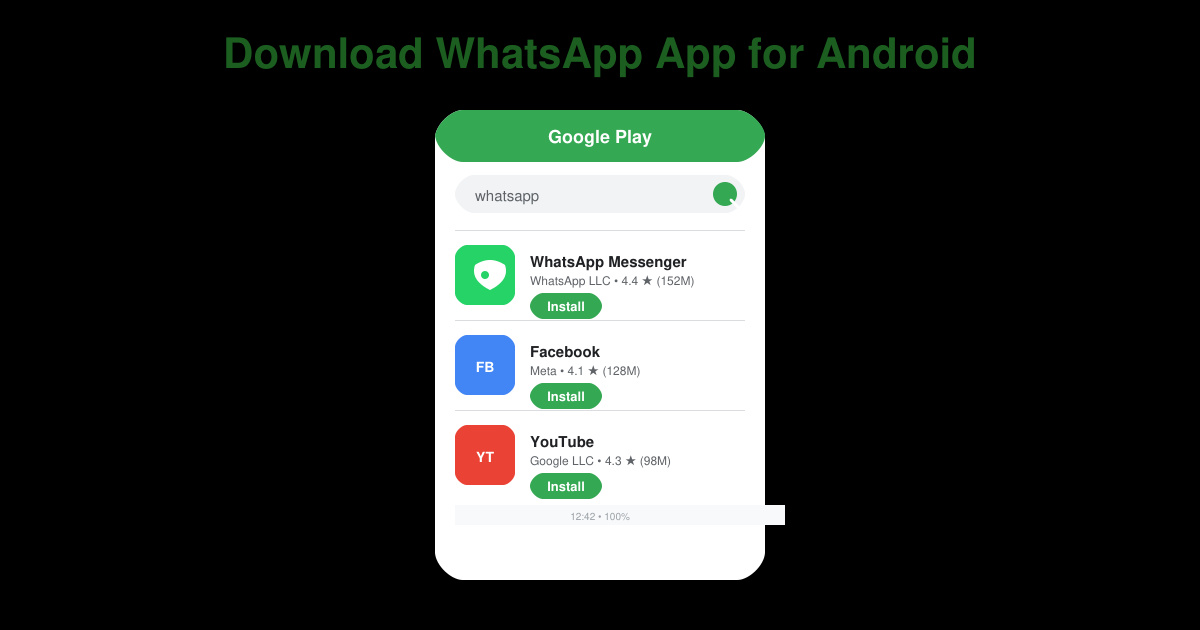
Learn how to safely Download WhatsApp App for Android from the official Google Play Store. Follow our clear step-by-step instructions to install the latest version quickly and securely.
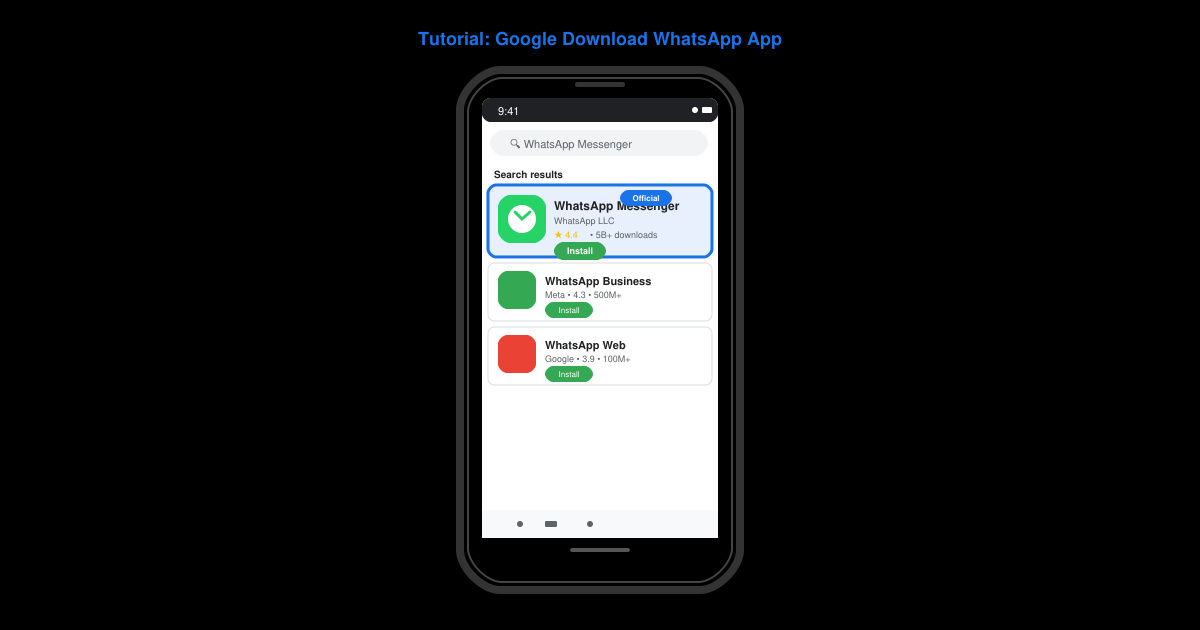
Google Download WhatsApp App safely through the Google Play Store with this clear guide. Get the official version on your Android device quickly and avoid fake downloads.
Facebook and Messenger not working can disrupt your day. Follow these targeted fixes to restore access quickly on mobile and desktop.