

How to Update Google Chrome Browser

Learn how to update Google Chrome browser on Windows, Mac, and Android in minutes to enjoy better security, speed, and new features. Follow these clear steps.
Android devices come with a lot of pre-installed apps, and while some of them can be useful, many of them are redundant and unwelcome. Luckily, you can uninstall any Android app unconditionally using ADB.
ADB is a powerful set of tools that give you more control over your Android device. Although ADB is intended for Android developers, you don't need any programming knowledge to uninstall Android apps with it.
Uninstall Android Apps with ADB
ADB, or Android Device Bridge, is a tool that lets you run code on Android from your computer. ADB opens up a lot of possibilities through the power of the command line. However, you can also use ADB for simple tasks like using ADB to transfer your clipboard, remotely install apps , and of course uninstall them.
Uninstalling apps using ADB doesn't require root access, and it's pretty straightforward once you get the hang of it. In addition to letting you uninstall almost any app—including system apps and bloatware —you can also use ADB to uninstall apps remotely via Wireless Debugging.
Since ADB communicates with your device through code, you'll need to refer to the app's full package name, rather than the app's more familiar brand name, to uninstall it (this would be something like "com.facebook.katana" instead of Facebook, for example).
The package name may sound like something developers mess with, but the truth is you can easily find an app's package name with ADB. Once you have the package name, it only takes a single command to uninstall the app forever.
You need to install ADB on your computer before uninstalling the app on your Android device. You can install it by downloading it and then launching your computer's terminal in the ADB folder. Another way to install ADB on your computer is to use Terminal.
https://developer.android.com/tools/releases/platform-tools?hl=viADB is available on Windows, Mac, and Linux. If you’re a Linux user, you probably don’t need any instructions on how to install apps using the Terminal. On other platforms, you can use Scoop for Windows and Homebrew for Mac to install ADB. These two are command line installers that let you use the Terminal to install apps.
We will use a Windows computer as an example. Once Scoop is installed, you can install ADB with a single command via Command Prompt.
Launch Command Prompt by searching for cmd in the Start menu, then type the command below and press Enter on your keyboard.
scoop install adbScoop will automatically download and install ADB. If there are any missing dependencies, Scoop will ask you for permission to install them. Type Y and press Enter to allow the installation.
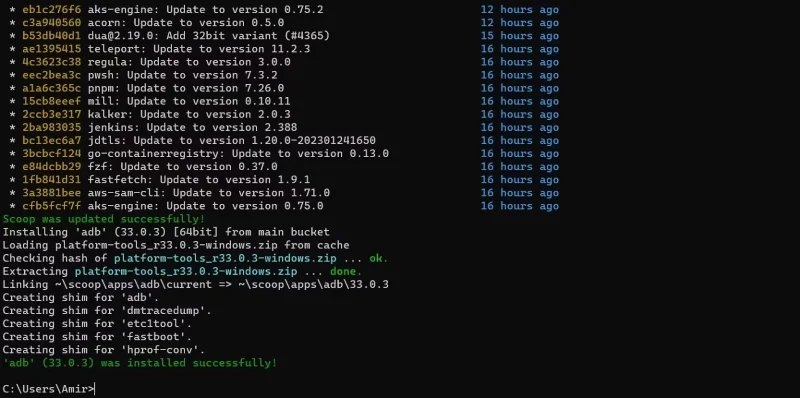
Now ADB is installed and ready to serve you. The ADB package name is different on Homebrew and Linux. You can install ADB using Homebrew on your Mac with:
brew install android-platform-toolsAnd on Linux you can use:
sudo apt-get install android-tools-adbOf course, you need to enable USB Debugging on your Android to use ADB with that device. This allows you to connect to your device via USB cable or wirelessly.
If your device is a smartphone, then the easiest way is to plug it into your computer using a USB cable. If you are dealing with a stationary device like an Android TV box, then you should try Wireless Debugging with ADB.
Regardless of which method you choose to connect, you can get a list of connected devices by running the command below in Terminal:
adb devicesThis command displays the serial number for devices connected via USB and the local IP address for wireless connections.
Although most apps have simple labels, Android doesn't use the app's label to identify them. What if two apps have the same label? To avoid potential confusion, Android uses a unique package name to identify the app. For example, Google Maps appears as Maps in the app list, but the actual name of Google Maps is com.google.android.apps.maps.
Luckily, you can use ADB in the same Terminal window to find the package name of an app. Once ADB is connected to your device, run the command below to enter the ADB shell:
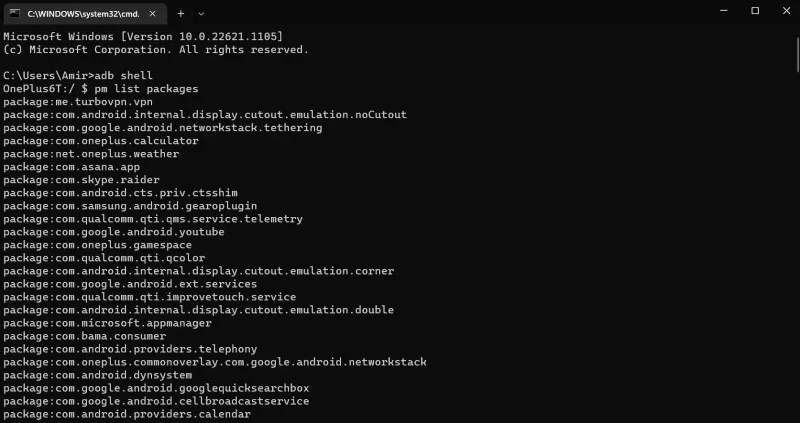
adb shellYou should now see your device name next to the flashing indicator. Next, run the command below to get a list of all the packages installed on your Android device:
pm list packagesCall the ADB package manager to list all the packages installed on your Android device. The sheer length of this list – and the packages you’ve never heard of – suggests that there are a lot of apps installed on your device that you don’t even know about. Most of these are background system apps that silently keep your Android device running.
Warning :
You can uninstall any of the listed Android packages using ADB, but that doesn't mean you should. Most of these apps are essential to your system running, and uninstalling them could potentially affect the functionality of your device. Only uninstall system apps if you know what you're doing!
A complete list of installed packages on your Android device can help you understand better, but searching for the package name of a specific app won't be very effective.
You can use the command below to filter the results:
pm list packages |grep chromeThis command filters the package list to only include packages named chrome. Replace chrome with your application name or developer name to find packages for that application.
Now that you have the package name of the app, the app is completely in your hands. If you are still in the ADB shell, exit that shell by typing exit and pressing Enter. Then enter the package name in the command below and run it:
adb uninstall com.spotify.liteThis command will uninstall Spotify Lite from the connected Android device. Replace com.spotify.lite with the package name of the app you want and it will disappear after ADB outputs a Success result.
Note that the above command will only ask the system to uninstall the app for the current user. There is no way to uninstall the app from all users unless you root your phone.
Be warned, uninstalling system apps can potentially brick your device, so only uninstall apps you're sure about. Apps like Gmail, Google Play Music, Google Play Movies, etc. can be safely uninstalled, but never delete the Google Play Store or any files associated with it. If your phone becomes unstable after uninstalling a particular app, reinstall it from the Google Play Store or factory reset your phone.
Depending on the manufacturer, some phones only come with a few bloatware and system apps that can be disabled easily, while others are loaded with third-party apps that users cannot delete or disable.
Android users have more freedom due to its open source nature, however, Android still has some security restrictions. You cannot uninstall system apps and most of the pre-installed apps on your Android device without taking extra steps. ADB is a tool that can circumvent this restriction. It is your phone after all, and you should have full control over it. The instructions above will allow you to remove those bloatware apps from your Android phone without having to root your phone.
The best thing about uninstalling Android apps using ADB is that you don’t need to root your device to use it. All you have to do is connect your device, find the package name of the app, and run the uninstall command. Now you know how to do all that. Say goodbye to bloatware and apps you don’t use!
Learn how to update Google Chrome browser on Windows, Mac, and Android in minutes to enjoy better security, speed, and new features. Follow these clear steps.
Learn how to download old media from WhatsApp and recover photos or videos from past chats. Follow these clear steps to save files that no longer appear in your gallery.
Facebook Messenger Isn T Working on your device? Use these exact troubleshooting steps to restore chats, calls, and notifications fast on Android, iOS, or desktop.
How to See Deleted WhatsApp Messages using your phone's built-in tools. Follow these exact steps to recover messages that contacts have deleted from chats.
Learn how to clear browser history in Chrome on desktop and Android with this exact step-by-step process. Keep your browsing private and free up storage space quickly.
Master how to use CapCut with this practical walkthrough covering project setup, editing tools, effects, and export options for high-quality video results.
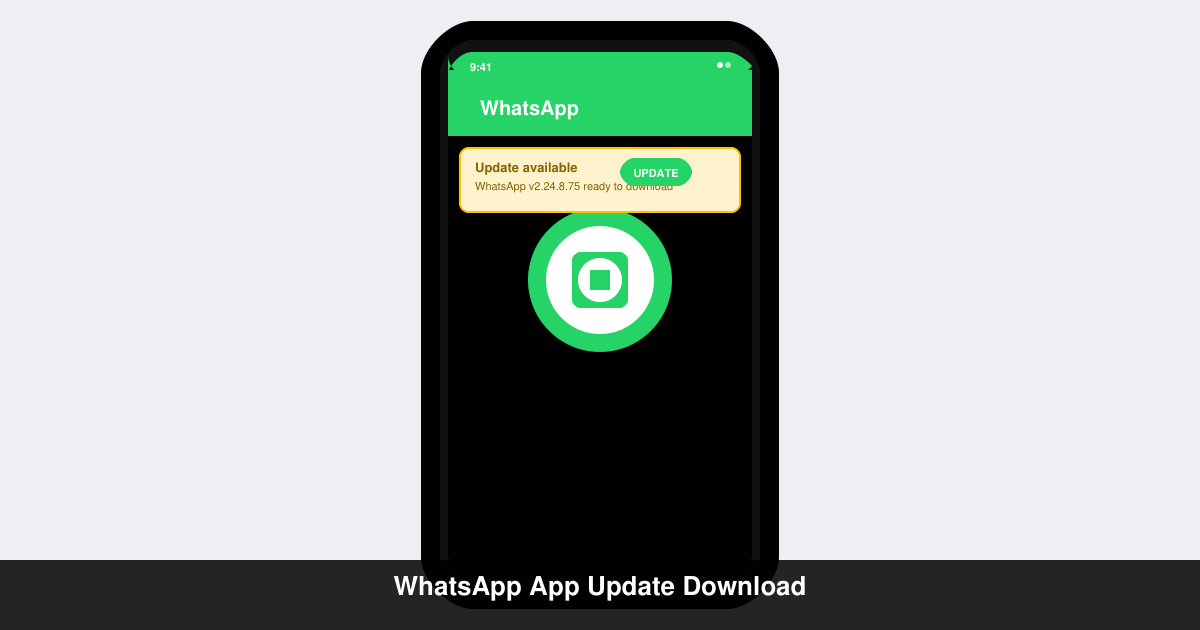
Get the latest WhatsApp App Update Download from official sources to access new features and security improvements. Follow these clear steps for Android and iOS devices.
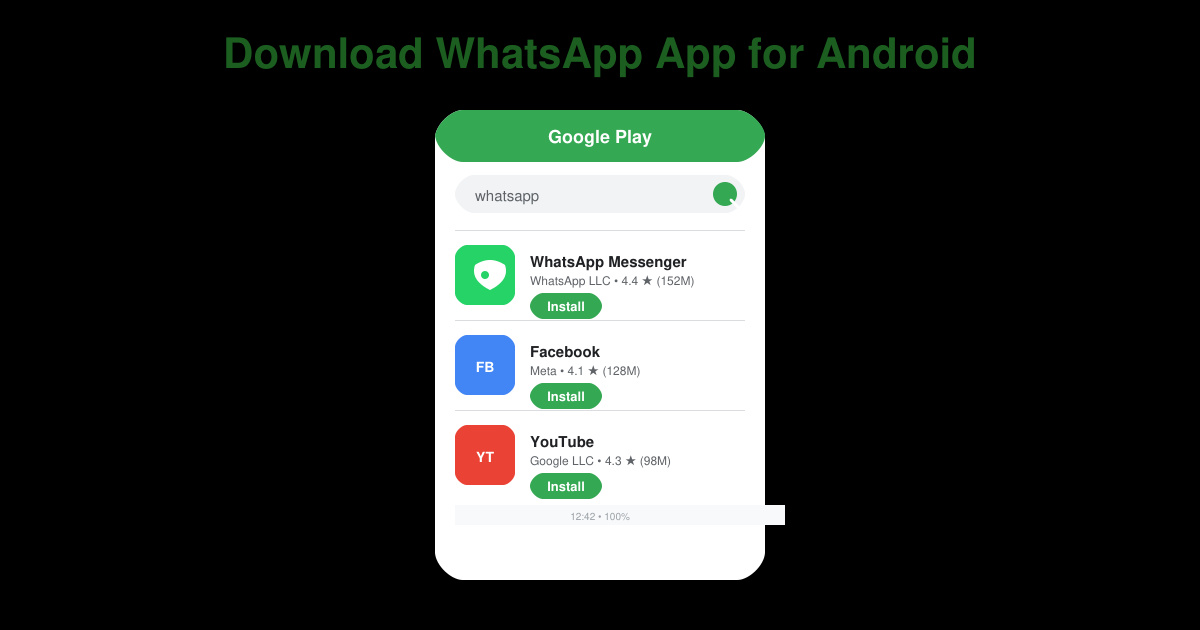
Learn how to safely Download WhatsApp App for Android from the official Google Play Store. Follow our clear step-by-step instructions to install the latest version quickly and securely.
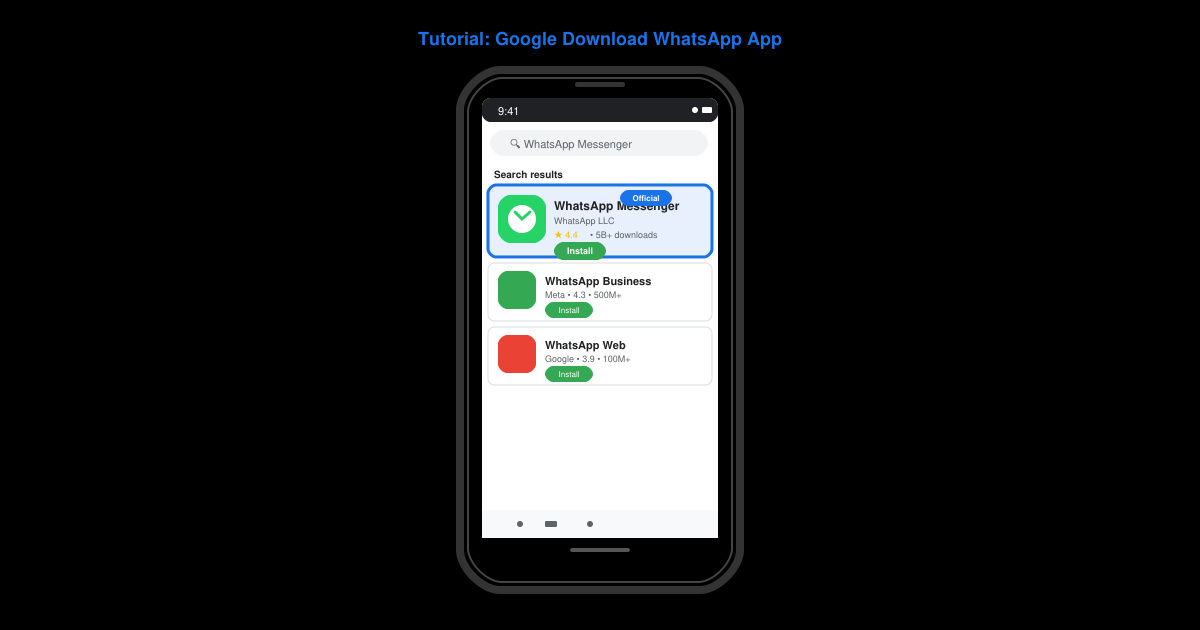
Google Download WhatsApp App safely through the Google Play Store with this clear guide. Get the official version on your Android device quickly and avoid fake downloads.
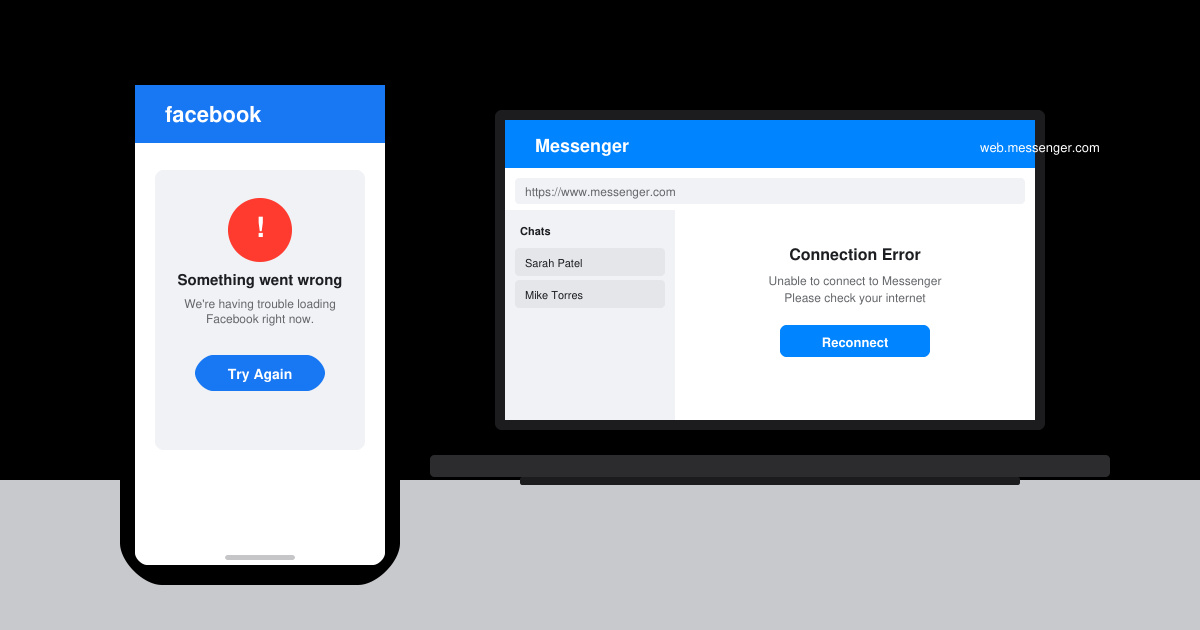
Facebook and Messenger not working can disrupt your day. Follow these targeted fixes to restore access quickly on mobile and desktop.