Enable NVIDIA on Pardus 23 with Its Driver Installer
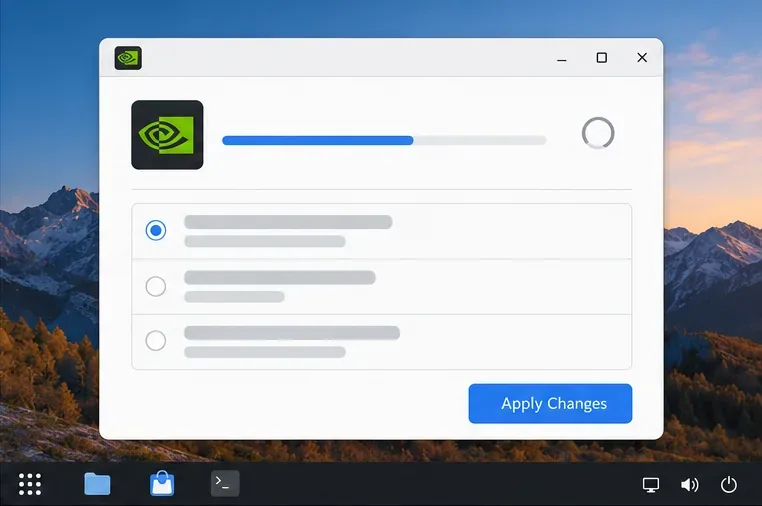
Use Pardus’s hardware-aware installer to enable the right NVIDIA driver, reboot safely, and verify the active kernel module.
Imagine juggling multiple apps without the chaos—emails in one corner, a browser in another, and your notes right beside them, all perfectly aligned. That's the magic of Windows 11 snapping group features. If you're tired of cluttered screens and constant window resizing, this guide will show you how to harness these tools for a smoother, more efficient workflow. Whether you're a remote worker, student, or power user, mastering snap layouts in Windows 11 can transform your daily grind into a breeze. Let's dive in and unlock the potential!
Windows 11 snapping is Microsoft's smart way to manage multiple windows on your screen. Introduced as a core feature in the latest Windows updates, it goes beyond basic drag-and-snap by introducing snap groups and snap layouts. These allow you to arrange windows into predefined or custom groups, saving your setups for quick recall. No more fumbling with Alt+Tab; just hover, snap, and go.
The beauty lies in its intuitiveness—designed for touchscreens, mice, or keyboards alike. As per Microsoft's official documentation, snapping groups remember your window combinations, so reopening an app restores the entire layout. It's like having a personal assistant organizing your digital desk. Ready to get started? Follow these steps to activate and use them effectively.

First things first: Ensure Windows 11 snapping is turned on. It's enabled by default in the latest builds, but let's confirm.
Now, to access snap layouts, simply drag any window to the top of your screen. A handy overlay appears with layout options: side-by-side, quadrants, or even three-way splits for larger displays. For keyboard lovers, hit Windows key + Z to summon the layouts instantly. Feel that rush of control? You're just getting started.
Creating a snap group is straightforward and saves time on repetitive tasks. Here's a focused walkthrough:
✨ Magic moment: If you minimize or close the group, Windows 11 remembers it. Reopen any app in the group, and the rest pops back into place. This is perfect for workflows like research (browser + notes + PDF reader) or project management.
To elevate your game, explore these Windows 11 snapping hacks. They're not just features; they're productivity boosters that make you feel unstoppable.
But what if things go awry? If a window won't snap, check for conflicting apps or update Windows via Settings > Update & Security. For deeper tweaks, the Microsoft Support page on multitasking has troubleshooting gold.
Let's paint a picture: You're prepping a presentation. Snap PowerPoint to the left, your research browser to the top-right, and a spreadsheet below. Switch tasks? Hover and restore—no lost momentum. Students love it for study sessions; professionals swear by it for meetings with chat, docs, and calendars snapped together.
In the latest Windows 11 updates, snap groups integrate better with Microsoft Teams and Edge tabs, suggesting layouts based on your habits. It's like the OS anticipates your needs, reducing stress and boosting focus. Users report up to 30% more efficiency—imagine reclaiming hours in your day!
Even pros slip up. Avoid these pitfalls to keep your workflow humming:
| Mistake | Why It Happens | Fix |
|---|---|---|
| Forgetting to Enable Snap Windows | Default settings might be off in older installs | Go to Settings > System > Multitasking and toggle on |
| Overloading Groups | Too many windows clutter the view | Limit to 4-6 per group; use virtual desktops for more |
| Ignoring Restore Feature | Not hovering over taskbar previews | Practice daily—it's a time-saver! |
🚫 Steer clear, and you'll wonder how you ever multitasked without it.
With Windows 11 snapping group features, you're not just organizing windows—you're orchestrating your success. Experiment with layouts today, and watch your efficiency soar. Got a favorite snap setup? Share in the comments below—we'd love to hear how it transforms your day. For more Windows tips, stick around; we've got guides on virtual desktops and Focus modes coming up. Happy snapping!
Use Pardus’s hardware-aware installer to enable the right NVIDIA driver, reboot safely, and verify the active kernel module.
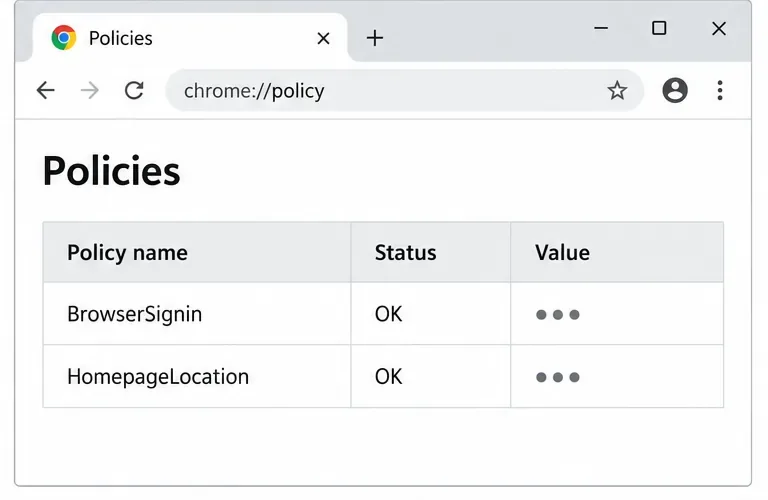
Install the official Chrome package safely on Gooroom OS, check compatibility, preserve device controls, and verify browser policies before use.
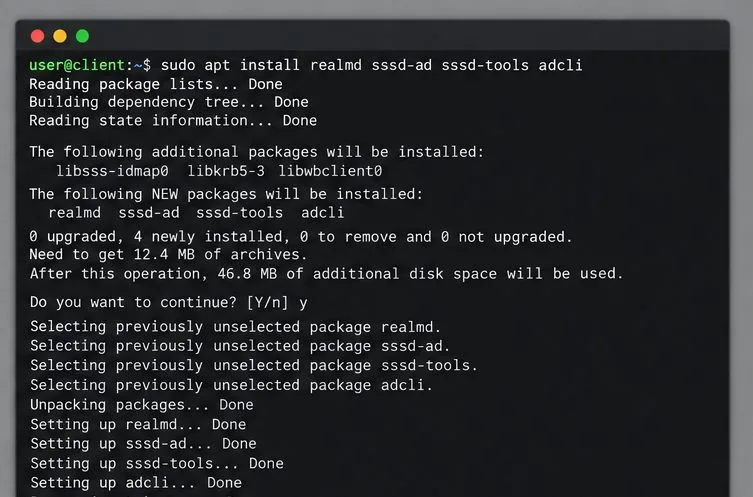
Prepare DNS and time, enroll Pardus with realmd and SSSD, and verify domain membership and user lookup before relying on AD sign-in.
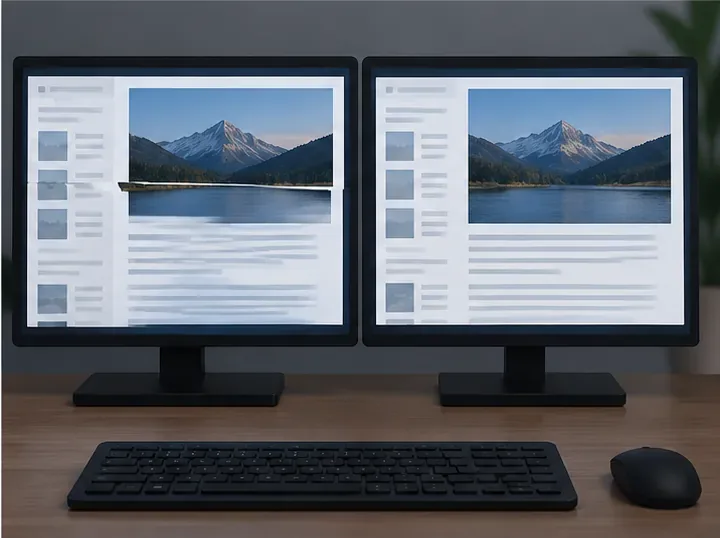
Reduce horizontal tearing in Pardus XFCE by checking your display session, enabling compositor synchronization, and applying Intel’s Xorg TearFree option only when the active driver supports it.
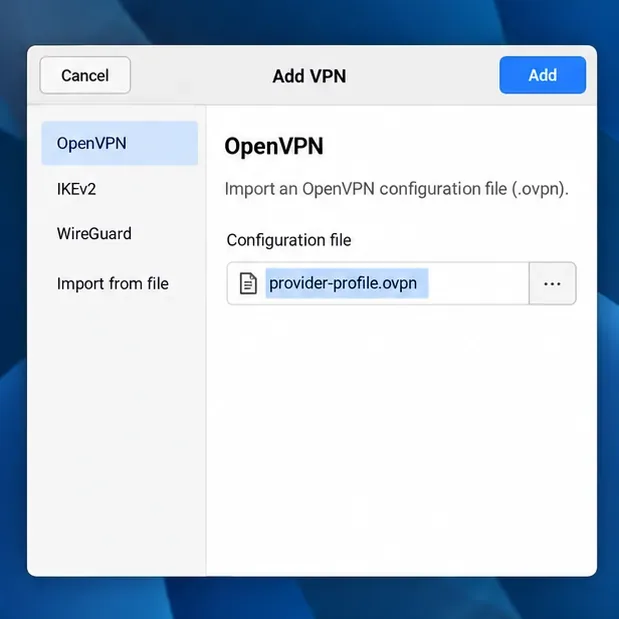
Add an OpenVPN profile to NetworkManager on Pardus, install the right plugin, protect credentials, and verify the VPN is active.
Prepare a bootable USB, check 64-bit hardware compatibility, and install Pardus 23 XFCE while protecting existing files and avoiding common legacy BIOS pitfalls.
Distribute a custom wallpaper to Pardus clients, configure Xfce or GNOME desktops, and apply Lider Ahenk user policies with safe pilot checks.
Fix a 1024 × 768 ceiling by checking SPICE, virtual video, the guest channel, and spice-vdagent—with safe checks when Pardus lacks a package candidate.
Set up the Lider server, configure its installer safely, register Ahenk endpoints, and verify a pilot before expanding central management.
Download the official Pardus 23 desktop ISO, write it safely with Rufus, and boot a Windows PC into a temporary Live session.