Install Chrome on Gooroom OS Without Changing Its Policies
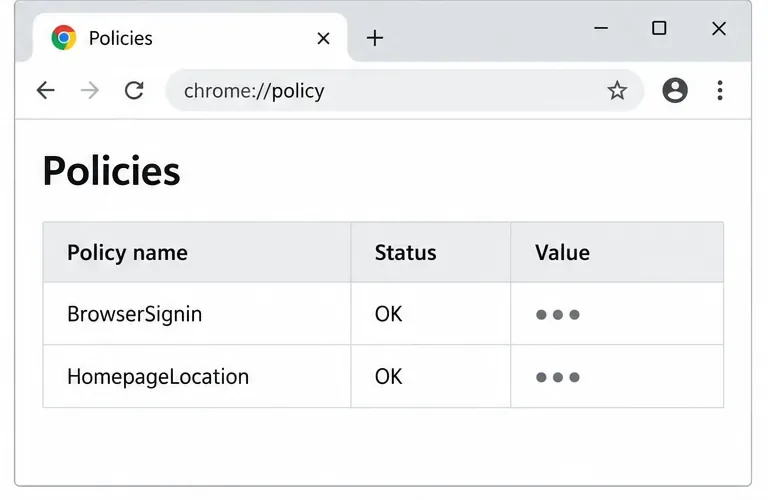
Install the official Chrome package safely on Gooroom OS, check compatibility, preserve device controls, and verify browser policies before use.
Adobe Acrobat enables you to view a PDF document in full screen view. The full screen view is useful when you are reading an online document or making a presentation using a PDF document. In the full screen view only the pages of the document are displayed with items such as the window controls, toolbars, the title bar, the status bar, and the menu bar hidden. You can also set various preferences for the full screen view such as automatically advancing a page after a specified time duration thereby creating a slide show effect. Foxit Reader - Enable fullscreen mode when reading PDFs
Click Full Screen View on the View menu. Alternatively, press CTRL + L.Acrobat displays the document in full screen view. 
Press the DOWN ARROW key, the RIGHT ARROW key or the ENTER key to view the next page of the document. 
Press the UP ARROW key, the LEFT ARROW key, or SHIFT + ENTER to view the previous page of the document. 
To return to the normal view of the document, press CTRL + L.
Note: You can also set the full screen view preferences, to enable you to use the Esc (Escape) key to return to the normal view of the document.
4
Click Preferences on the Edit menu.
The Preferences dialog box is displayed. 
Select Full Screen from the list on the left side of the Preferences dialog box.
The Preferences dialog box displays the full screen options. 
To automatically advance the document pages, select the Advance every check box and type the time in seconds that each page should be displayed in the seconds text box.
Note: You can browse through a document using mouse or keyboard commands even if the Advance every check box is selected.
To return to the first page after the last page is displayed, select the Loop after last page check box. 
Select the Escape key exits check box to enable you to exit the full screen view by pressing the Esc (Escape) key. 
Select the Left click to go forward one page; right click to go back one page check box to enable you to page through a document by clicking the mouse.
Select the Ignore all transitions check box to remove transition effects from presentations that you view in Full Screen view.
To specify a default transition effect to display when you page through a document, select a transition effect from the Default transition drop-down list.
To specify the behavior of the mouse in full screen view, select an option from the Mouse cursor drop-down list. 
Select a background color for the screen from the Background color fly-out menu. The background color is used to color the empty area of the screen, when a page of a document is not large enough to cover the entire screen.
Click OK to close the Preferences dialog box.The preferences you have specified will apply to all PDF documents that you view in full screen view.
Install the official Chrome package safely on Gooroom OS, check compatibility, preserve device controls, and verify browser policies before use.
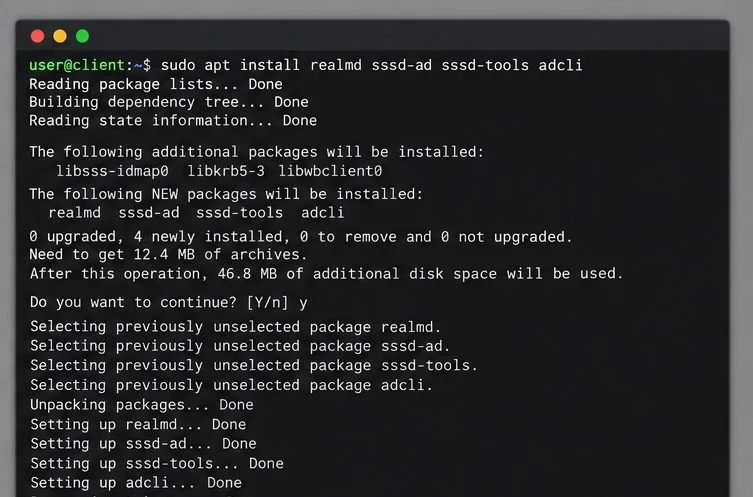
Prepare DNS and time, enroll Pardus with realmd and SSSD, and verify domain membership and user lookup before relying on AD sign-in.
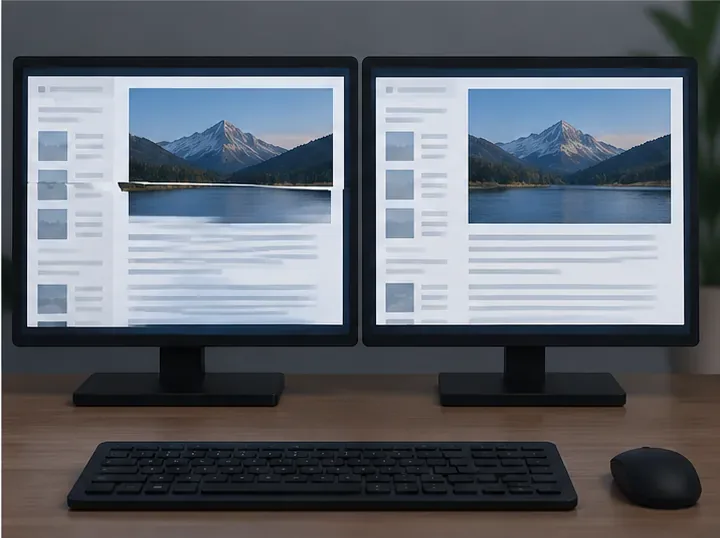
Reduce horizontal tearing in Pardus XFCE by checking your display session, enabling compositor synchronization, and applying Intel’s Xorg TearFree option only when the active driver supports it.
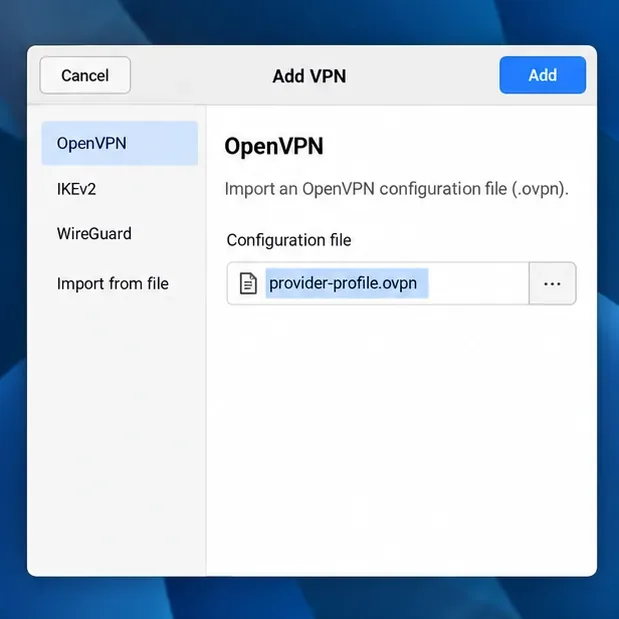
Add an OpenVPN profile to NetworkManager on Pardus, install the right plugin, protect credentials, and verify the VPN is active.
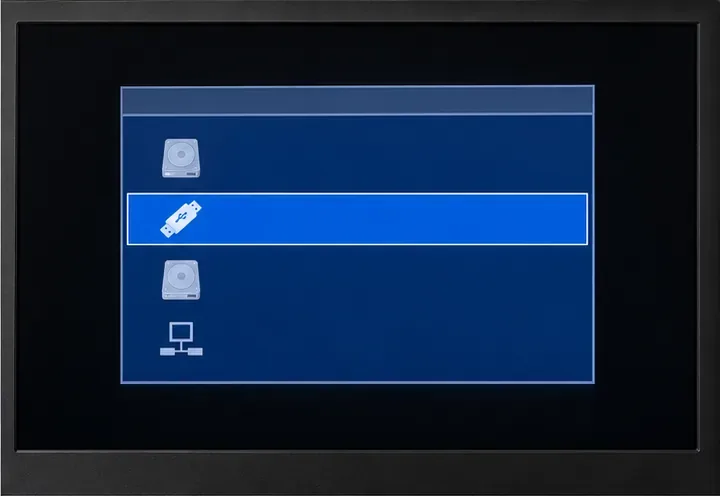
Prepare a bootable USB, check 64-bit hardware compatibility, and install Pardus 23 XFCE while protecting existing files and avoiding common legacy BIOS pitfalls.
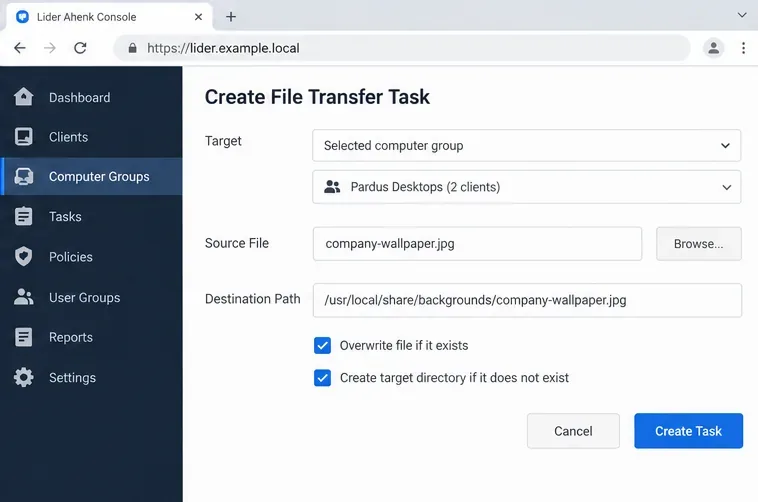
Distribute a custom wallpaper to Pardus clients, configure Xfce or GNOME desktops, and apply Lider Ahenk user policies with safe pilot checks.
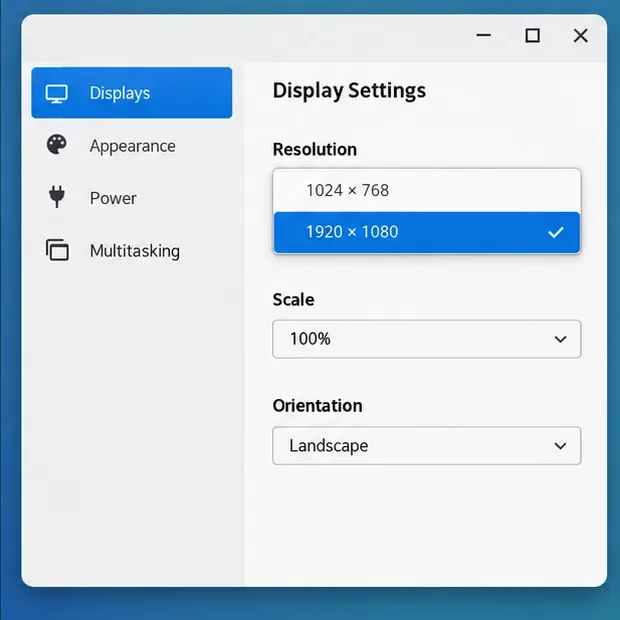
Fix a 1024 × 768 ceiling by checking SPICE, virtual video, the guest channel, and spice-vdagent—with safe checks when Pardus lacks a package candidate.
Set up the Lider server, configure its installer safely, register Ahenk endpoints, and verify a pilot before expanding central management.
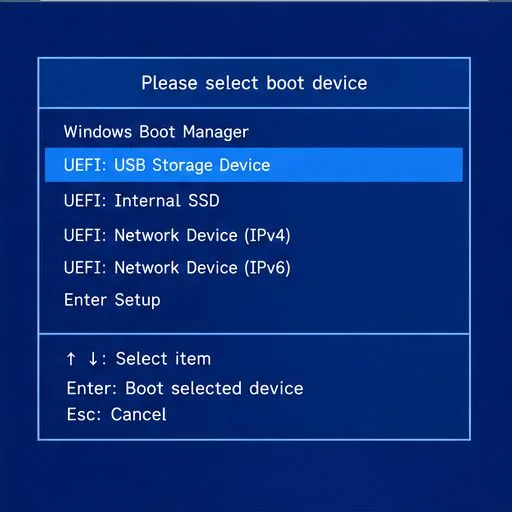
Download the official Pardus 23 desktop ISO, write it safely with Rufus, and boot a Windows PC into a temporary Live session.
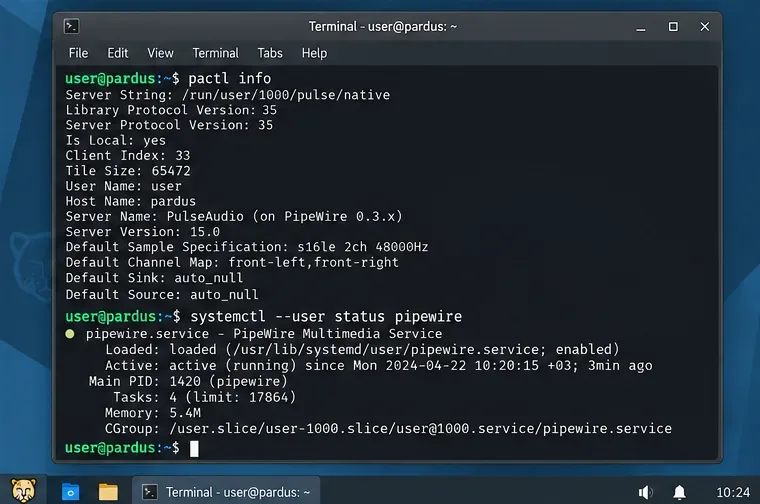
Find out why Pardus 23 cannot detect your sound card, then use targeted ALSA, firmware, and PipeWire or PulseAudio checks to restore playback.