Home
» Wiki
»
Hydrogen-electric flying taxi travels 841 km and emits only water
Hydrogen-electric flying taxi travels 841 km and emits only water
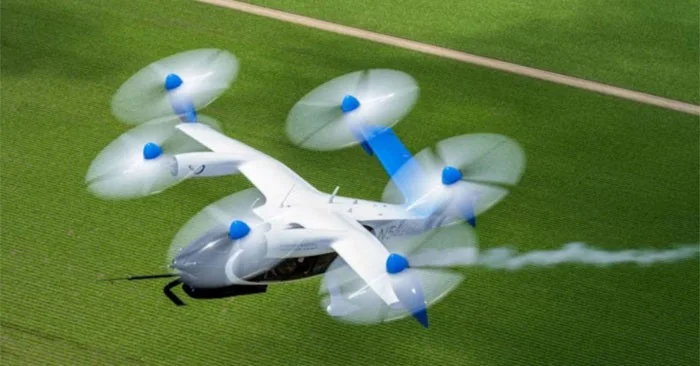
The hydrogen-electric flying taxi prototype of American startup Joby Aviaiton has completed a 841 km flight emitting only water.
This vertical take-off and landing flying taxi is equipped with a fuel tank containing 40 kg of liquid hydrogen to power its zero-emission flight. After completing the flight, it still has more than 10% hydrogen fuel left in its engine.
The flight, which took place on June 24 in Marina, California, demonstrated the potential of hydrogen to make zero-emission, runway-less flights a reality.
Joby Aviaiton converted one of its old battery-electric flying taxis, then retrofitted it with a liquid hydrogen fuel tank and fuel cell system to conduct a test flight.
Powering the propellers and flight control system are six electric thrusters, while the batteries focus on providing additional power for takeoff and landing.
For most of the flight, the flying taxi runs solely on liquid hydrogen, a fuel with an energy density more than three times that of gasoline.
Joby Aviation said the hydrogen they used was stored at a temperature of nearly -253 degrees Celsius, the temperature of the outer shell of the insulated tank remained normal. During the flight, this amount of hydrogen was used by the fuel cell system to generate electricity.
The fuel cell system used is manufactured by H2FLY, a subsidiary of Joby Aviation. It generates electricity, water and heat by combining hydrogen with oxygen from the air. The electricity is then used to power the six electric motors on the flying taxi and recharge the batteries during the test flight.
Joby Aviation plans to begin commercial battery-electric flying taxi operations as early as 2025, followed by hydrogen-electric operations.