When to Start Decorating for Halloween in 2026

Use a simple 2026 Halloween decorating timeline for indoor décor, outdoor displays, and fresh pumpkins, with practical adjustments for weather and events.
Are you tired of putting your PC to sleep only to find that the battery is dead when you come back? Hibernate mode for Windows PCs can be a great alternative in these situations, despite what you may have heard about it.
What does Hibernate mode do to your system?
Like shutdown, Hibernate mode in Windows is a power state. However, instead of completely shutting down the system, this option saves the current system state to storage and resumes from there the next time you start your PC.
This results in much faster boot times, because instead of launching Windows, starting all the system processes, and launching programs, your system simply picks up where it left off. Keep in mind that this is different from putting your PC to sleep. When your PC is in sleep mode , it is in a low-power state but still consumes battery. With Hibernate mode, your PC shuts down after saving its current state.
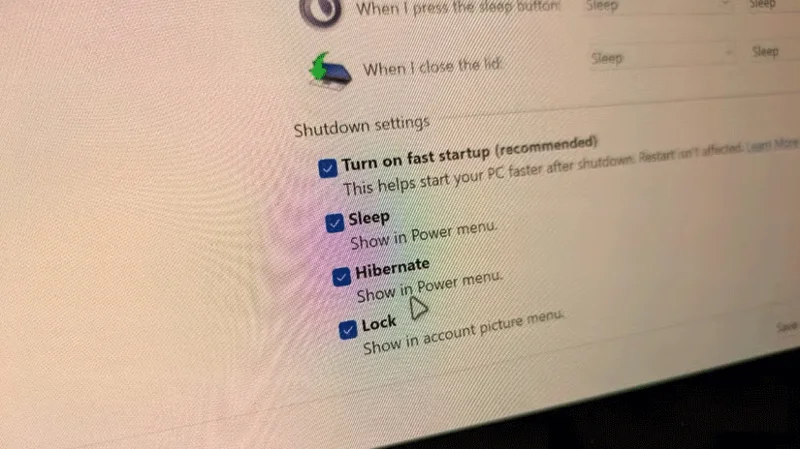
Putting your computer into Hibernate mode is quite similar to using the Fast Startup feature that Windows has had since Windows 8. Fast Startup saves the system kernel and drivers to a Windows Hibernate file called Hiberfil.sys, allowing for faster boot times. Hibernate mode, on the other hand, saves the entire system state, so it's like you never turn off your computer.
When can Hibernate mode be used?
If you've enabled Fast Startup on your Windows 10 or 11 PC, you're already using Hibernate. However, if you're manually putting your computer into Hibernate, the best time to do so is when you know you're not going to use it for a while and don't want to drain the battery.
For example, you are writing an article from the airport terminal, while waiting for your flight. When boarding the plane, put your laptop in hibernation and board the plane. When you reach your destination, you can open your laptop again and it will boot up as usual. If you leave your computer in Sleep mode, it will run out of battery before you land. Quantrimang.com has compared Sleep, Hibernate and Shut Down modes on Windows before, in case you need help choosing the best option for you.
If you’re commuting, running between classes, or just need a break from your computer, feel free to put it into hibernation mode. When you come back, you’ll be back to where you left off in seconds. But if you’re done for the day, it’s always a good idea to shut down your computer every day. Your computer needs a break just as much as you do.
Is it okay to use Hibernate regularly?
There is a lot of information on the Internet about how Hibernate mode is supposedly bad for your system. These rumors stem from the fact that if you constantly put your PC into Hibernate mode, junk and temporary files will start to take up all your PC's memory and use up SSD read/write cycles , reducing the drive's lifespan.
In fact, if you feel the need to troubleshoot your PC's boot speed, a reboot will usually do the trick. As for the impact on SSD lifespan, it's negligible unless you're putting your PC into Hibernate mode dozens of times a day, in which case you should put Windows to sleep.
Keep in mind that as you continue to hibernate your PC day by day, the Hiberfil.sys file that stores the hibernation state will eventually grow in size, meaning you will be reading and writing an increasingly large file from your SSD every time you boot your system. This can cause some problems, and eventually, some programs will start crashing when you resume your system from Hibernate. However, as mentioned before, an occasional reboot will fix most, if not all, of these problems.
Hibernate is a power option on Windows PCs that isn't talked about much. However, it can be quite useful in certain situations, as long as you periodically shut down or restart your PC.
Use a simple 2026 Halloween decorating timeline for indoor décor, outdoor displays, and fresh pumpkins, with practical adjustments for weather and events.
Mix five vivid, approachable Halloween cocktails with measured recipes, simple prep tips, and an alcohol-free option for your party guests.
Find 15 office-friendly Halloween costume ideas for 2026, with practical checks for dress codes, respectful themes, comfort, and workplace safety.
Plan a fun elementary school Halloween party with easy crafts, games, inclusive treats, costume tips, and a sample 75-minute classroom schedule.
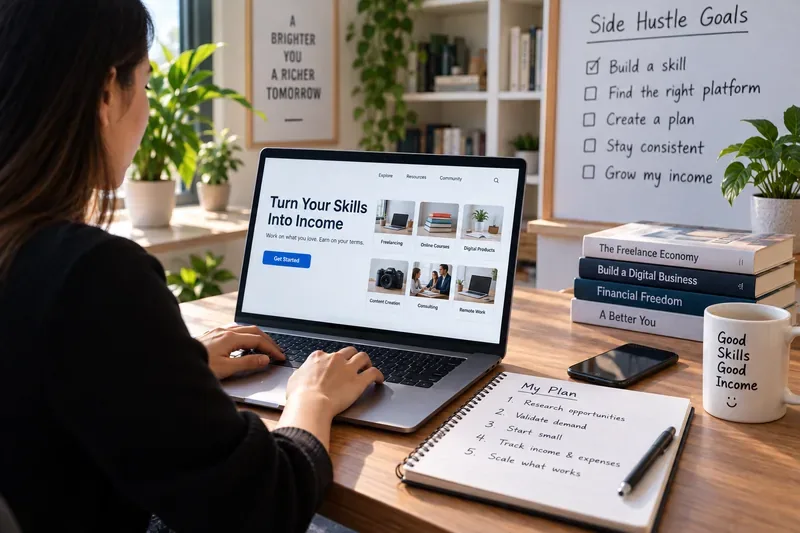
Compare realistic side hustles for 2026 by startup cost, fees, flexibility, and income control, with current tax and scam guidance from official sources.
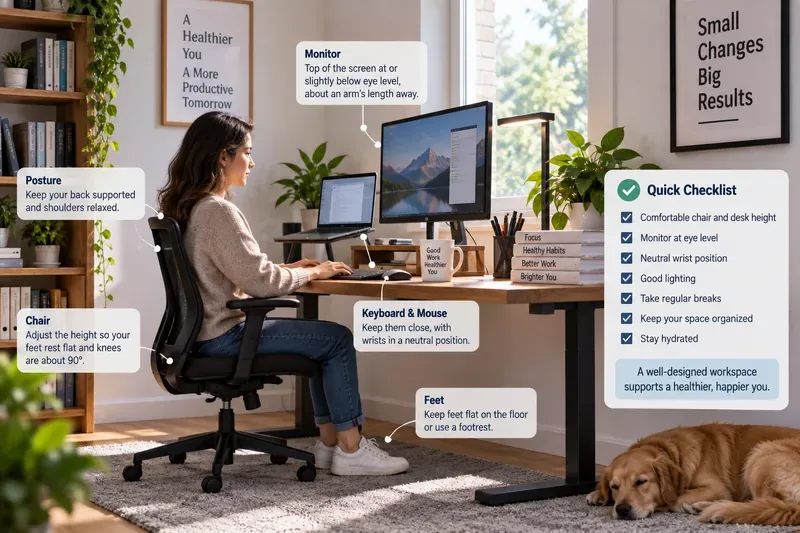
Upgrade your home office ergonomics with current OSHA and NIOSH guidance on chair fit, monitor height, laptop setup, lighting, and movement.
Learn why emotional intelligence matters in leadership, where it helps most, how to strengthen it, and how to tell whether your approach is working.
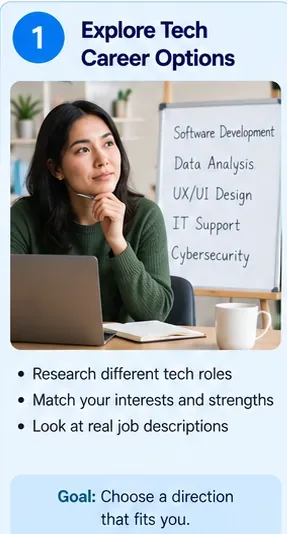
A practical roadmap for moving into tech without a degree: choose an accessible role, build job-ready skills, prove them with projects, and use hiring feedback to improve.
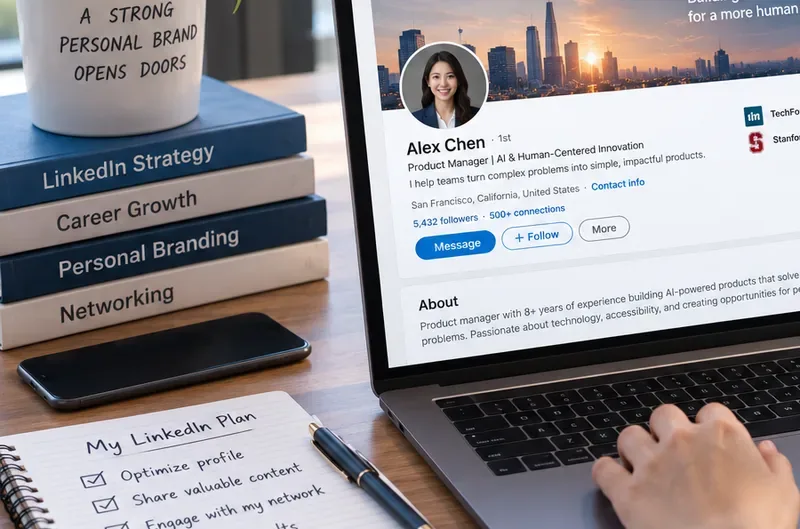
Build a credible LinkedIn personal brand in 2026 with current profile, content, newsletter, analytics, verification, and visibility guidance from LinkedIn.
Quiet quitting and quiet firing are catchy labels, not diagnoses. Learn what is verified, what depends on context, and what employees and managers can do next.