Pop Culture Costume Ideas That Will Dominate Halloween 2026

Plan a recognizable Halloween 2026 look with pop culture costumes inspired by Spider-Man, Supergirl, Toy Story 5, Moana, Mario, and Wednesday.
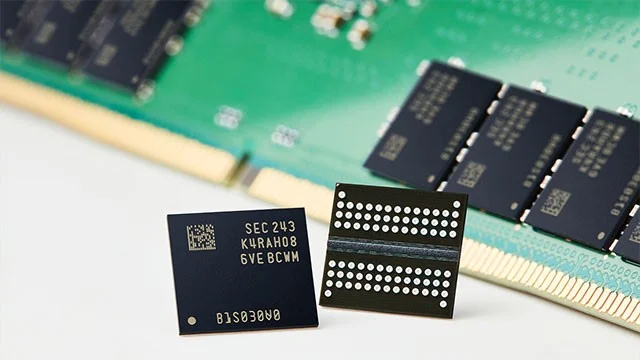
Micron, one of the world’s largest memory manufacturers, has announced that it will be raising prices across its entire product portfolio, including DRAM and NAND flash memory. It may seem like the increase will be gradual rather than sudden, but the truth is that RAM will become more expensive. This will affect not only high-end computer RAM but many other devices as well.
In its letter to investors, Micron explained the reason for the price increase: the memory and storage market is recovering from a period of stagnation over the past few years. This is also evident to consumers – RAM prices are stabilizing, for example DDR5, which used to be very expensive, has recently become more accessible (though perhaps not for much longer).
Increased demand leads to increased prices. This is not surprising, especially when global GPU prices are still at "crazy" levels. However, Micron said that the main reason comes from the demand for memory and NAND flash in the AI field, not from the consumer market.
In the enterprise space, this directly relates to high-bandwidth memory (HBM) – a key component for data centers, AI accelerators, and AI GPUs. This means companies like Nvidia will spend more on DRAM and NAND flash (used in SSDs, phones, USBs), and will impact storage systems in large-scale data centers.
Are regular users affected?
While AI is at the center of the action, regular users are not immune to the impact of this price surge.
Higher prices for DRAM and NAND flash will lead to higher prices for a wide range of related products in the long run. RAM and SSDs are the most obvious, but they don’t stop there. If GDDR prices rise, high-end graphics cards will become even more expensive (which is not what anyone wants right now). Likewise, smartphones and gaming consoles—which rely on NAND memory—are also at risk of rising prices.
The good news is that the increase in the consumer market will be more modest than on the data center side, but with computer component prices at the moment, no one can be sure.
If you're planning on buying new RAM or SSDs, it's best to buy now before prices go up. Don't wait too long and end up paying more than you need to.
Plan a recognizable Halloween 2026 look with pop culture costumes inspired by Spider-Man, Supergirl, Toy Story 5, Moana, Mario, and Wednesday.
Sort leftover Halloween candy safely, share or repurpose sealed treats, and choose food use or compost for pumpkins based on their condition.
Compare workplace Halloween costume choices by respect, dress code, mobility, and safety—and learn when a subtle accessory or a policy check is the better option.
Find a couples costume that fits your style, budget, and comfort level, from Addams Family classics to original inside-joke duos.
Need a last-minute high school Halloween costume? Compare 10 easy closet-based ideas by prep time, comfort, school-day practicality, and simple safety checks.
Use a simple 2026 Halloween decorating timeline for indoor décor, outdoor displays, and fresh pumpkins, with practical adjustments for weather and events.
Mix five vivid, approachable Halloween cocktails with measured recipes, simple prep tips, and an alcohol-free option for your party guests.
Find 15 office-friendly Halloween costume ideas for 2026, with practical checks for dress codes, respectful themes, comfort, and workplace safety.
Plan a fun elementary school Halloween party with easy crafts, games, inclusive treats, costume tips, and a sample 75-minute classroom schedule.
Compare realistic side hustles for 2026 by startup cost, fees, flexibility, and income control, with current tax and scam guidance from official sources.