Make Realistic Fake Blood Without a Cleanup Surprise
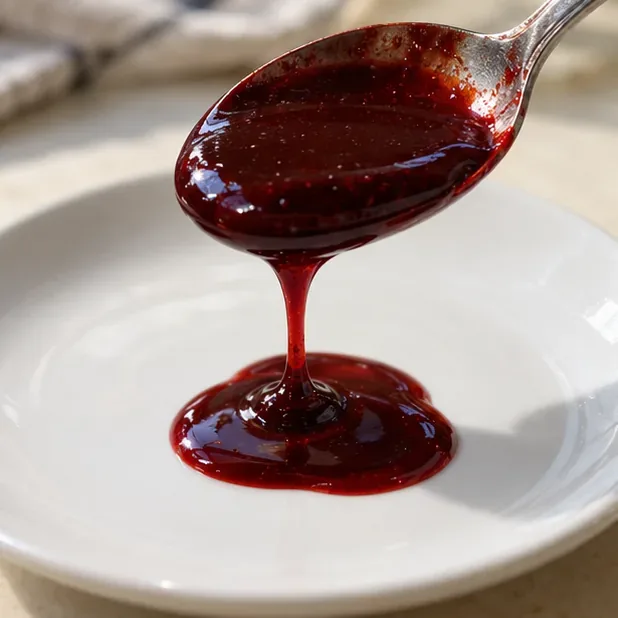
Mix a glossy prop-only fake blood batch, choose safer products for skin and costumes, and test cleanup before Halloween night.
Newborns need sleep to grow well. But newborns' sleep needs vary, just like older children and adults. Your baby may sleep more or less than other babies his age. Here's what you need to know about your newborn's sleep cycle .

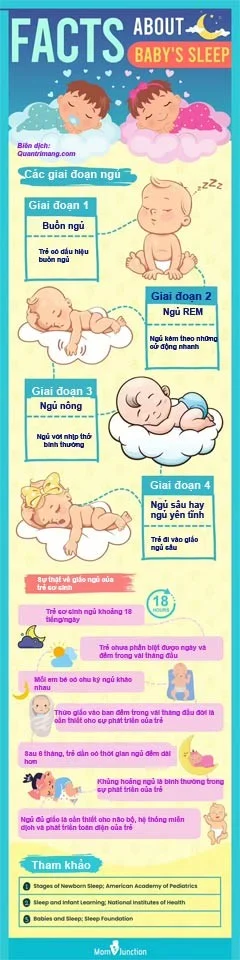
Newborn baby's sleep needs by stage
A baby's sleep cycle will change during the first year of life, including the number of hours of sleep needed and the amount of sleep during the day and night.
Sleep is essential for human development. During sleep, the brain is highly active, laying the foundation for how we learn and develop, including behavioral, emotional, and immune system development. Poor sleep in infants has been linked to problems with cognition, social skills, obesity, and quality of life later in childhood.
Babies will often let you know they are ready to sleep by fussing, yawning, or rubbing their eyes. You can use these cues to establish a schedule that works for them. Not establishing a consistent sleep schedule can have negative effects on your baby’s health or be a warning sign of an underlying problem.
A realistic goal is to help your child sleep through the night consistently by the time they are a year old. As they grow into toddlers and school-age children, their sleep needs will become more like those of adults.

How to help your baby sleep well
Establishing a consistent routine is key to helping your baby learn to sleep through the night. During the first few months, your baby's sleep schedule will largely depend on his or her feeding habits. However, as your baby gets older, he or she will be able to go longer between feedings. At this point, you can start to stick to a day-night sleep schedule.
To help your baby establish a healthy circadian rhythm, start by making sure he gets plenty of daylight and stimulation during the day. While newborns need plenty of sleep during the day, you can experiment to find a nap schedule that will keep him settled into a nighttime sleep without over-tiring him. Before bed, try to create a calm atmosphere and follow the same bedtime routine every night. The following routines can help your baby associate nighttime with sleep:
An important part of developing healthy sleep habits for your baby is teaching him to fall asleep on his own. Many babies find comfort in being held or cuddled, but it's best to put your baby down before he actually falls asleep. This way, he'll be less anxious if he wakes up in the night and you're not there. He'll be able to fall back asleep without your help.
The Truth About Baby Sleep
Mix a glossy prop-only fake blood batch, choose safer products for skin and costumes, and test cleanup before Halloween night.
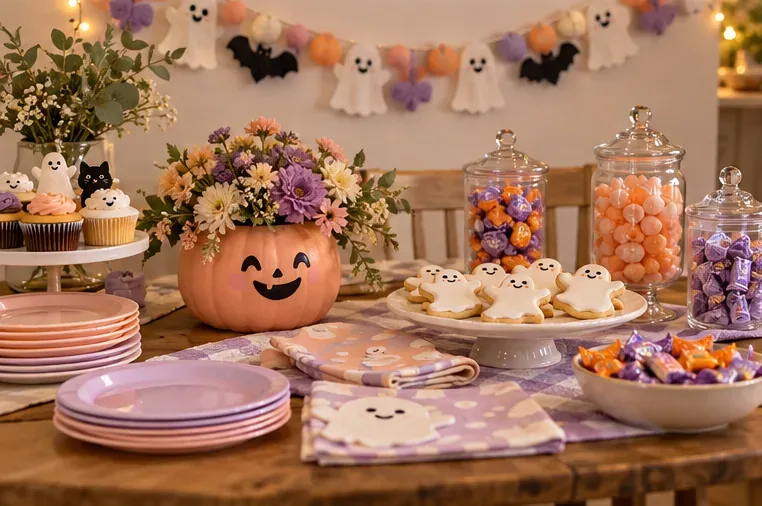
Create a gentle Halloween look with pastel colors, friendly ghosts, easy no-carve accents, and practical safety tips for your home.
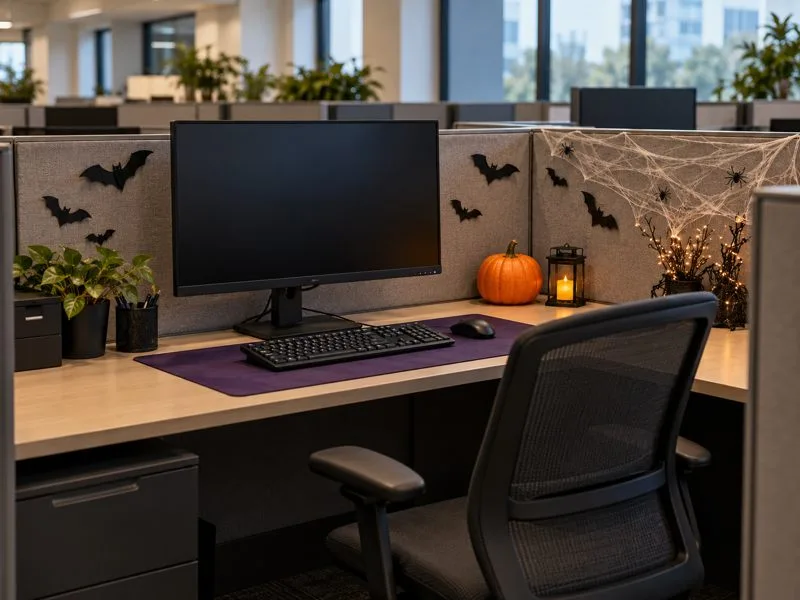
Create a spooky office cubicle with Halloween desk decor ideas that keep your workspace usable, tidy, and mindful of workplace safety.
Plan a recognizable Halloween 2026 look with pop culture costumes inspired by Spider-Man, Supergirl, Toy Story 5, Moana, Mario, and Wednesday.
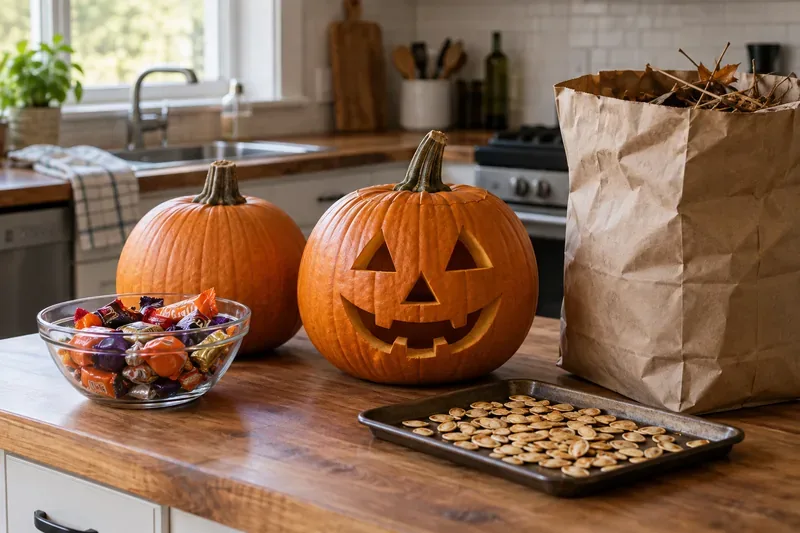
Sort leftover Halloween candy safely, share or repurpose sealed treats, and choose food use or compost for pumpkins based on their condition.
Compare workplace Halloween costume choices by respect, dress code, mobility, and safety—and learn when a subtle accessory or a policy check is the better option.
Find a couples costume that fits your style, budget, and comfort level, from Addams Family classics to original inside-joke duos.
Need a last-minute high school Halloween costume? Compare 10 easy closet-based ideas by prep time, comfort, school-day practicality, and simple safety checks.
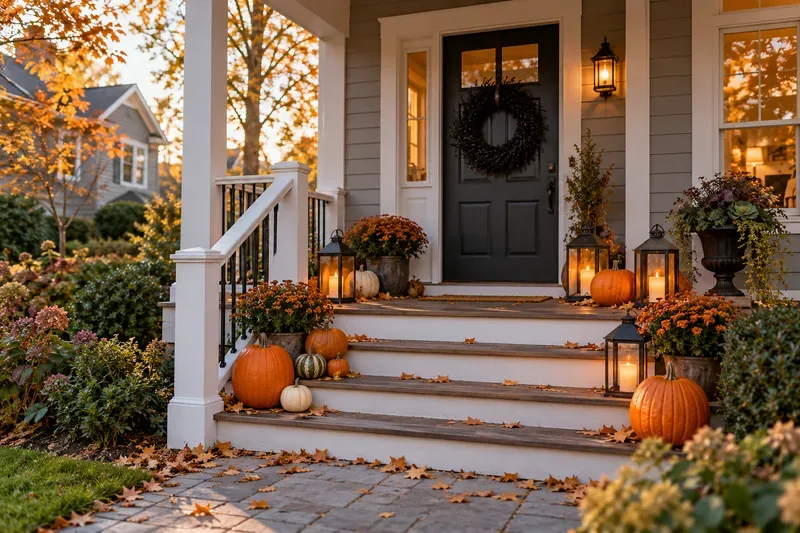
Use a simple 2026 Halloween decorating timeline for indoor décor, outdoor displays, and fresh pumpkins, with practical adjustments for weather and events.
Mix five vivid, approachable Halloween cocktails with measured recipes, simple prep tips, and an alcohol-free option for your party guests.