Home
» Today
»
NSW AI Seatbelt Camera Fines: How the Technology Works and What Drivers Need to Know
NSW AI Seatbelt Camera Fines: How the Technology Works and What Drivers Need to Know
Short answer: NSW seatbelt cameras use image-recognition software to flag photographs that may show an unrestrained or incorrectly restrained driver or front passenger. The software does not, by itself, issue a fine. Trained officers review the images in stages before Revenue NSW issues a penalty notice. If a notice arrives, you can view the camera images, check who was driving, and request a review before the due date if you believe it is wrong.
As of September 28, 2026, camera enforcement has been in place since July 1, 2024. The system is relevant to anyone driving in New South Wales, including visitors and people borrowing or sharing a car. The most useful prevention is simple: check every occupant and make sure each belt is properly positioned before moving.
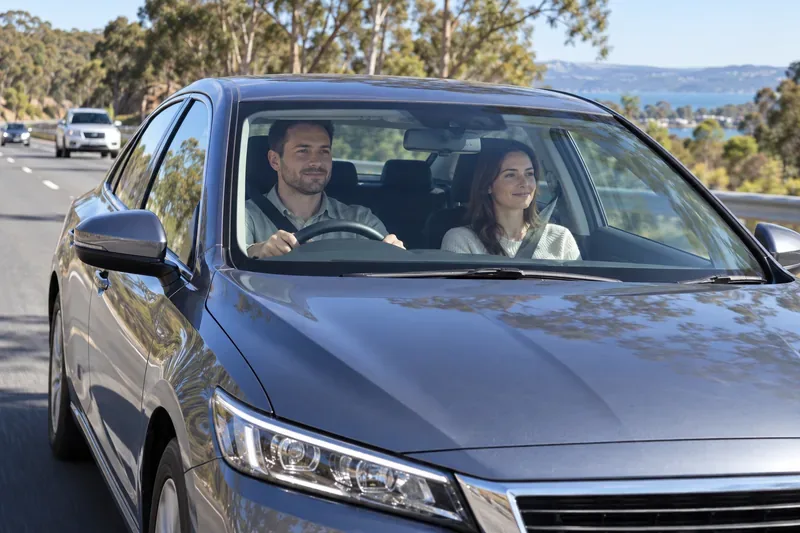
A driver and front passenger wear seatbelts across the chest and shoulder while traveling on a divided road.
What the cameras look for
NSW uses its mobile-phone and seatbelt detection camera network to check for seatbelt non-use and incorrect use. There are fixed and transportable camera systems. The government says the camera setup uses multiple cameras and an infrared flash to capture clear images of passing vehicles. For seatbelt offences, images can show the driver and front-seat passengers, along with details such as the vehicle model, number plate, lane, and speed.
The cameras are not limited to an obviously unbuckled person. A belt worn incorrectly can also lead to a potential offence. NSW guidance says the lap section should sit low across the hips, and the sash should cross the chest and mid-shoulder. The belt should lie flat without twists and be firm enough to remove slack. Wearing the sash under an arm or behind the back does not meet the correct-use guidance and can reduce protection in a crash.
These rules apply on short trips as well as long ones. The driver must wear a seatbelt and is responsible for ensuring passengers are properly restrained. Passengers aged 16 and older also have their own legal responsibility to wear a seatbelt. Children need an approved restraint suited to their age and size. See the NSW seatbelt requirements for the full rules and limited exemptions.
How AI fits into the enforcement process
Here, “AI” means image-analysis software that looks for visual patterns associated with a possible seatbelt offence. It is an initial screening step, not a final legal decision. The NSW Ombudsman describes the system as analyzing three photographs and estimating whether the driver or front passenger may have committed an offence. If confidence is high enough, the images go to a Transport for NSW authorized officer. If that officer considers an offence likely, a Revenue NSW officer conducts an additional review; a penalty is issued if both agree.
The Ombudsman’s January 2026 casebook also records that AI is not used to enhance or alter the camera photographs. In a separate parliamentary answer, the government said possible-offence images undergo several stages of human review, and images are cropped or pixelated to remove information that is not needed to decide the matter. The point is practical: an AI flag is not the same thing as proof that a driver has broken the rule.
There can still be limits. A photograph may be affected by reflections, clothing, shadows, a belt blending into the interior, or an unusual seating position. A still image may not show the full context as clearly as a person in the car would. The NSW Parliament reported that in 2024, 85,328 potential seatbelt offences were detected and 13,381 were not confirmed through the Transport and Revenue adjudication process. That figure is not a general error rate for every year or camera, but it demonstrates why review stages matter.
What a seatbelt camera fine can cost
The NSW general driving offences penalty table lists a $423 fine and three demerit points for a driver not wearing a properly adjusted and fastened seatbelt, and for driving with an unrestrained passenger in the listed circumstances. It also says double demerit points apply to these driver offences during designated double-demerit periods. The official PDF is marked “as at 1 July 2025”; check the amount printed on your notice and the live NSW penalties information because fine schedules can change.
Penalties can rise when more than one passenger is unrestrained, and adult passengers can have separate obligations. Camera-detected notices have nomination rules: if you were not driving, follow the notice instructions to nominate the responsible driver. Service NSW specifically says that for camera-detected seatbelt offences the driver must be nominated for both driver and passenger fines. Do not nominate someone unless they were actually responsible.
The basic penalty may not be the whole consequence. Demerit points can bring a driver closer to a licence suspension, especially during a double-demerit period or if the driver already has points. Check the NSW general driving offences penalty table and your current demerit balance rather than relying on an old social-media post or an article quoting an earlier fine amount.
If you receive a notice, what should you do first?
1. View the images
Use the fine notice number to access the digital image through the NSW Government’s camera image service. Check which seat and person the notice refers to, whether the belt is visible, and whether it appears to cross the chest and shoulder. If you cannot use the online service, Revenue NSW says you can call for a copy, subject to identity checks.
2. Check the driver and the date
Compare the vehicle, number plate, location, and offence time on the notice with your records. If another person drove, use the official nomination process before the deadline. Keep supporting records such as a work roster, travel booking, or a clear statement from the actual driver if relevant. An incorrect nomination can create a separate problem, so accuracy matters more than simply transferring responsibility.
3. Request a review if you have a real basis
If you believe the wrong vehicle or person was identified, the image does not show the alleged offence, or you had a valid medical seatbelt exemption, you can request a review. Include the fine number, the date, a concise explanation, and evidence such as relevant medical documentation. Revenue NSW says reviews are based on the evidence submitted; the fine is placed on hold during review, and a decision is usually made within 21 days, though complex matters can take longer.
Submit a review before the due date to avoid further costs or action. An unsuccessful review may be followed by a court application, but choosing court is a separate decision with possible additional costs. The official fine review guide explains eligibility and evidence. For camera-detected seatbelt offences, Service NSW’s court application instructions explain how to request a Local Court decision.
When this information helps—and where it stops
This guide is useful if you drive in NSW, received a possible seatbelt-camera notice, or want to understand what “AI detection” means before lending someone your car. It can help you separate an automated flag from the later human review, understand what details to check, and avoid missing the notice deadline.
It cannot determine whether a particular image proves an offence, guarantee that a review will cancel a fine, or replace legal advice about a contested case. If the image is unclear, the vehicle was not yours, an exemption applied, or demerit points could affect your licence, rely on the notice, current NSW instructions, and qualified advice for your own facts.
Before the next trip: ask everyone to sit in a proper seat, buckle up, and check that the lap belt is low across the hips while the sash crosses the chest and mid-shoulder. That check improves crash protection and makes camera enforcement far less likely to become an issue.