Fast Food Open on Thanksgiving: How to Check Local Restaurant Hours (Updated 2026)
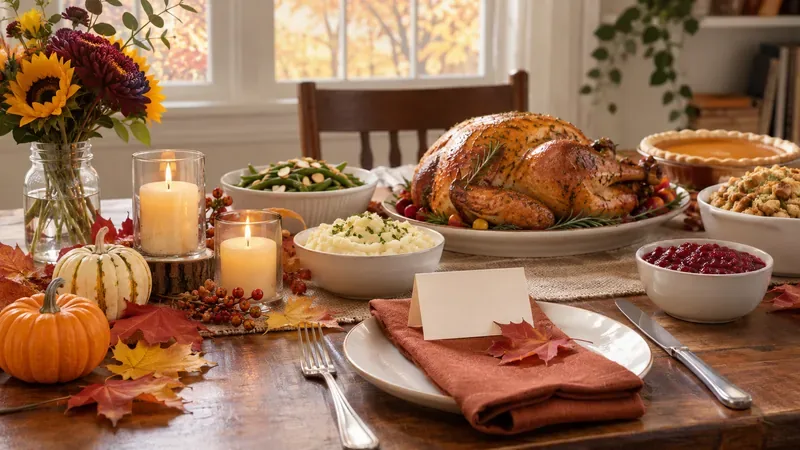
Learn which fast food chains are open on Thanksgiving and how to check local restaurant hours using official apps and store locators before heading out.
Verified Update: 25 November 2026, 09:30 GMT (London, UTC+00:00)
Great Britain's energy regulator, Ofgem, has officially announced a sharp 26% increase in the energy price cap for the first quarter of 2027. Effective from 1 January to 31 March 2027, the annualized price cap for a typical dual-fuel household paying by Direct Debit will climb by £443, rising from the current £1,723 to £2,166 per year. This marks the third consecutive quarterly increase, putting substantial upward pressure on winter heating costs across England, Scotland, and Wales.
The headline £2,166 annual figure represents an illustrative annual spend based on Ofgem's revised Typical Domestic Consumption Values (TDCV)—set at 2,500 kWh of electricity and 9,500 kWh of gas per year. In practice, the price cap is not a hard ceiling on your total annual bill; rather, it legally caps the maximum rate that licensed energy suppliers can charge per kilowatt-hour (kWh) and per day in standing charges.
Under the new determination published by Ofgem, the national average rates for customers paying by Direct Debit (inclusive of VAT where applicable) will be:
Payment method adjustments also change the overall price cap limits:
The primary catalyst behind this substantial increase is renewed turbulence in international wholesale energy markets. Global gas contract prices have surged over the preceding three months, intensified by geopolitical friction in the Middle East and heightened competition for liquefied natural gas (LNG) cargo shipments as European gas storage facilities experienced accelerated depletion ahead of peak winter.
Because gas-fired power stations continue to set the marginal price for power generation across the British national grid, elevated wholesale gas prices rapidly feed through into retail electricity costs. Despite temporary fiscal interventions that have suspended standard VAT charges on domestic electricity through mid-2027, the magnitude of wholesale commodity inflation outweighed regulatory buffers.
The quarterly price cap adjustment directly affects approximately 20 million domestic consumers in Great Britain who are currently on standard variable tariffs (SVTs) or default tariffs. This group includes consumers whose previous fixed-term contracts lapsed without manual switching, or those who reverted to standard rates after a supplier failure.
Conversely, roughly 10 million households that locked in fixed-rate energy contracts over the past year will experience no change to their unit rates or standing charges for the remaining duration of their contracted agreements. With default tariffs rising sharply, fixed deals currently priced beneath £1,800 to £1,900 per year represent immediate savings opportunities against the incoming Q1 2027 standard rates.
No. The price cap sets a maximum limit only on the standing charge and the unit rate per kWh of energy consumed. If your home uses more electricity and gas than the average benchmark (2,500 kWh electricity and 9,500 kWh gas), your total bill will exceed the headline £2,166 figure. Conversely, using less energy will result in a lower bill.
The new rates take effect on 1 January 2027 and remain in force through 31 March 2027. Ofgem reviews and recalculates the price cap on a quarterly cycle, with the subsequent update for April through June 2027 scheduled for announcement in late February 2027.
Households currently on standard variable tariffs should actively evaluate available fixed deals. If you can secure a 12-month fixed tariff priced significantly below the incoming £2,166 cap rate without punitive early exit penalties, locking in can offer bill certainty and immediate protection against winter market volatility.
Learn which fast food chains are open on Thanksgiving and how to check local restaurant hours using official apps and store locators before heading out.
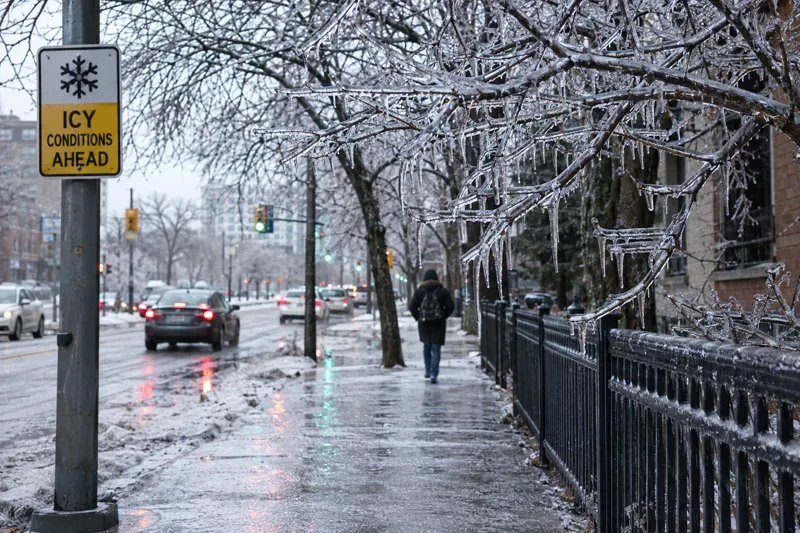
Yellow freezing rain warnings cover parts of Ontario, Quebec and New Brunswick. Check local alerts, road reports and travel precautions for Nov. 26–27.
Learn how to spot common fraud warning signs, from urgent requests and security-code demands to suspicious offers and changed payment details.
Think you were targeted by fraud? Learn the first steps to protect your money and accounts, report suspicious messages in the UK, and understand possible refunds.
Shopping Black Friday sales in Australia? Check tech price history, true checkout costs, seller legitimacy and consumer rights before buying in 2026.
Learn how Australian shoppers can evaluate Black Friday tech deals, compare model specifications, verify genuine price cuts, and utilize consumer protections under ACL.
Check TfL’s official Tube status, understand strike-related line updates, and replan your London journey using TfL’s website or TfL Go app.
TfL’s 26–27 November Tube strike is disrupting London Underground services. See the confirmed line impacts, alternatives and how to check before traveling.
Learn what “Feliz Día de Acción de Gracias” means, how U.S. Thanksgiving developed, when it falls in 2026, and find thoughtful greetings for family, friends, and coworkers.
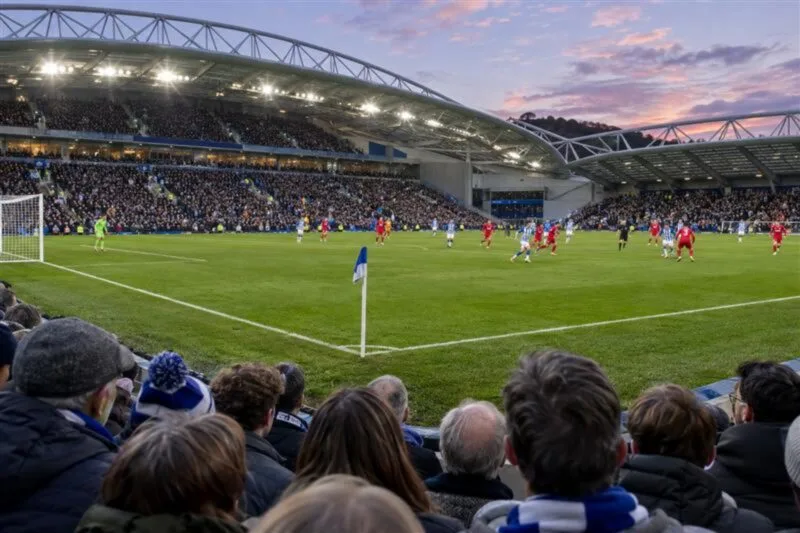
Brighton and Universitatea Craiova enter Matchday 4 level on seven points. Here is how the result could affect their route through the Conference League.