Outlook Not Working? Microsoft Outage Recovery Is Still Uneven — 14 November Update
Microsoft 365 outage recovery is progressing, but Outlook access and email delivery may remain intermittent. Check status and protect stuck messages while you wait.
Verified and updated Nov. 13, 2026, 7:00 a.m. EST (12:00 p.m. UTC).
Outlook users in Canada who can’t send, receive or open email should first check Microsoft’s live service health page. At the time checked, Microsoft listed its consumer products as operational; the page directs Microsoft 365 business and enterprise customers to their admin centre for detailed service health. That status does not confirm a widespread Outlook outage, so check whether the problem follows your account across devices before making changes to your setup.
If email is time-sensitive, try Outlook on the web or the mobile app while you investigate. If one works and another does not, the issue may be specific to the app or device. If none work, check service health, account access and your internet connection.
Visit Microsoft’s Service Health Status page and look for the relevant product. Its public page provides consumer service information, while Microsoft 365 business and enterprise customers are directed to sign in to the admin centre for detailed health information. A personal Outlook.com account and an organization-managed Microsoft 365 mailbox may therefore have different status views.
If the page reports an incident, note which service and functions are affected, along with any updates or workaround Microsoft provides. Avoid repeatedly changing passwords, deleting profiles or reinstalling Outlook during a confirmed service disruption: local changes may not resolve a server-side issue and can make later troubleshooting harder. Recheck the status page before retrying.
If there is no listed incident, that does not rule out a developing or account-specific problem. Compare access on another device or in a browser, and ask a colleague using the same organization account whether they are affected. This comparison is a useful diagnostic, not proof of the cause.
Microsoft’s guidance covers these checks for Outlook for Windows and Outlook.com. Menu names can vary among new Outlook, classic Outlook, Mac, mobile and web versions.
When service health appears normal, the cause may be local or tied to a particular mailbox. A changed password can leave the app unable to authenticate. A weak connection can interrupt syncing. Classic Outlook can be set to work offline, while a damaged profile or add-in may affect desktop access. Microsoft also identifies full cloud storage as a reason Outlook.com users may be unable to send or receive mail.
If incoming messages seem to have disappeared, check Junk Email, the Other tab, filters, forwarding and inbox rules. Microsoft lists these as common places to investigate for Outlook.com delivery problems. If only one sender’s email is missing, ask them to confirm the address and whether they received a delivery failure notice.
For a work or school mailbox, contact your organization’s IT administrator if several colleagues are affected, the admin centre shows an incident, or the account requires organization-specific sign-in or server settings. For a personal account, use Microsoft’s sign-in help if you cannot access Outlook.com.
If Microsoft reports an incident, follow its updates and wait for the stated resolution before making major account changes. If service health is normal and the browser works, update or restart the affected app and check for an offline indicator. Classic Outlook users can consult Microsoft’s troubleshooting steps for profile repair; organization-managed accounts should be handled with the administrator when repair requires account settings.
The practical impact depends on the failure: a send-only issue can leave messages waiting in the Outbox, while a sync or sign-in problem can make new mail appear delayed or unavailable on one device. Until service resumes, use a working browser or another approved device for urgent correspondence, and confirm that important messages are actually in Sent Items. Microsoft’s current status page is the source for any service-wide updates; there is no confirmed broad outage indicated by the status snapshot checked for this article.
Microsoft’s public service page listed consumer products as operational when checked on Nov. 13, 2026, at 7:00 a.m. EST. Check the live page for changes, and use your admin centre for Microsoft 365 organization service details.
Try signing in through Outlook on the web or another device. If email works there but not in one app, troubleshoot that app’s connection, offline setting, updates or profile.
Yes. Microsoft says full cloud storage can prevent Outlook.com from sending or receiving messages. Check your account’s storage before changing app settings.
Microsoft 365 outage recovery is progressing, but Outlook access and email delivery may remain intermittent. Check status and protect stuck messages while you wait.
Microsoft’s status pages show conflicting signals. Here’s how Australians can check Outlook.com or Microsoft 365 service health and tell an outage from a local issue.
Find out how to check Outlook.com and Microsoft 365 service status, then isolate browser, device, network and account problems with practical steps.
Outlook access problems can delay time-sensitive messages. Check Microsoft’s status, try the web or mobile app, and use a clear backup plan for urgent email.
The FAA’s Nov. 13 status page lists an all-traffic ground stop and separate Chicago stops. Here’s how to check your flight and protect a connection.
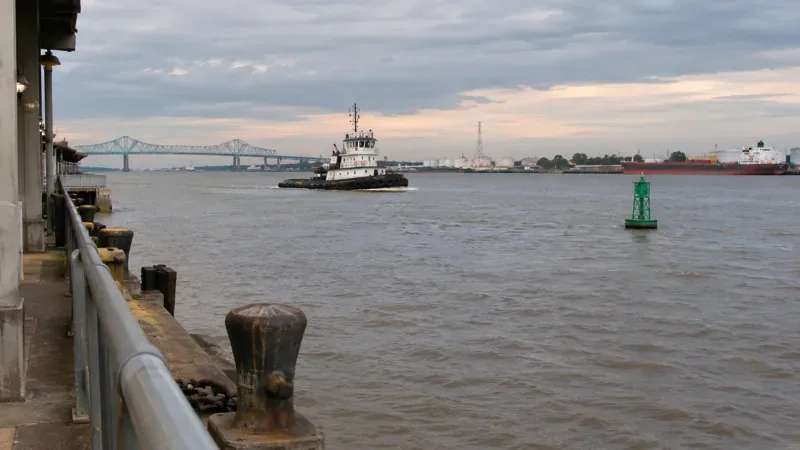
After the November 13 New Orleans tanker and cruise boat collision, learn where to verify Coast Guard river restrictions, NOLA Ready alerts and ferry service.
Learn what an FAA ground stop means, how it differs from a ground delay program, why flights are held, and what each restriction means for travelers.
Dejounte Murray is due $28.8 million in 2026–27, with a $30.75 million player option for 2027–28. Here’s how his salary, guarantees and option work.
A Freeze Warning signals temperatures at or below 32°F; a Frost Advisory warns of frost that can damage sensitive plants. Learn how to read each alert.
A practical freeze warning checklist for covering tender plants, winterizing outdoor faucets and protecting vulnerable pipes before temperatures fall below 32°F.