Skype Free Phone Calls
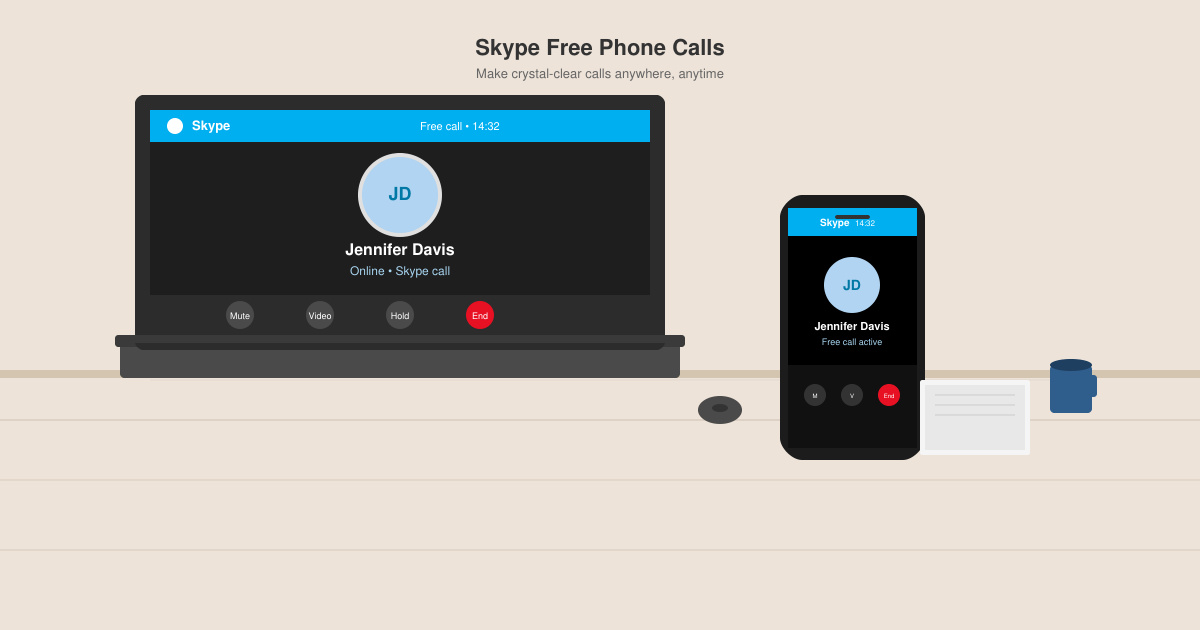
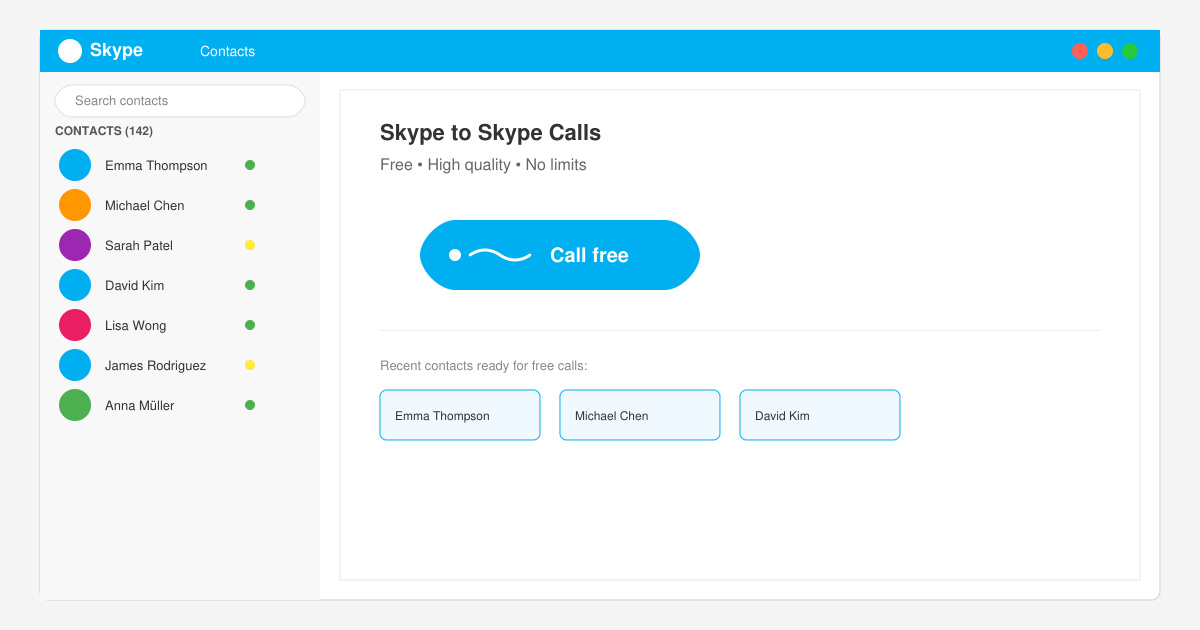
Skype Free Phone Calls let you connect with friends and family worldwide at no cost. Follow this guide to set up and start making free calls quickly and easily.
While many of us use VPNs directly on our devices, you can also enable VPNs at the router level. This setup eliminates the need to connect each device individually. While this option is more convenient, there are some drawbacks you should consider before setting up a VPN at the router level.
Advantages of setting up VPN at the router level
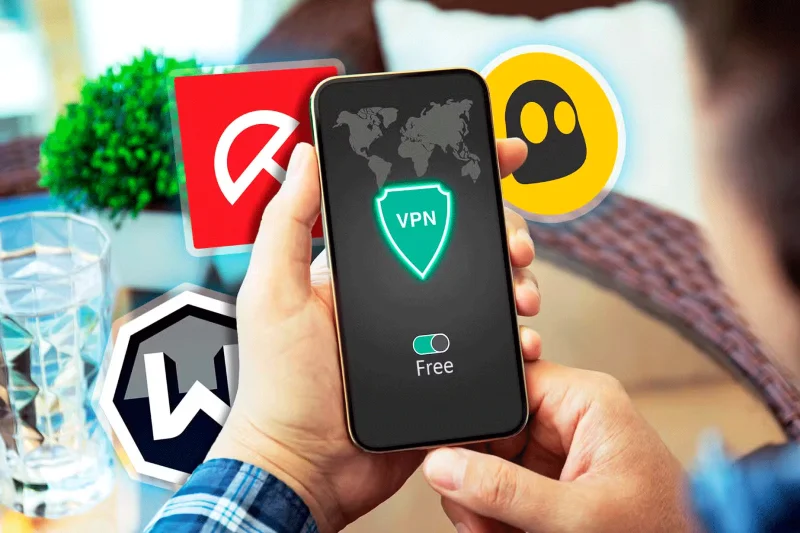
Here are some of the benefits of configuring VPN at the router level:
1. Protection for all connected devices
Setting up a VPN at the router level will protect all devices connected to your network. You can even protect devices that don't normally support VPN apps, such as game consoles and some smart home devices. This type of protection is especially useful in homes or offices with multiple users and many different devices.
2. Convenience and ease of use
Configuring a VPN on your router eliminates the need to install a VPN app or manually connect/disconnect each device. You can manage VPN settings in one central location instead of on each individual device, making it easier, especially for seniors or children, as they don't need to learn how to use a VPN.
3. No more connection limits
Most VPN providers limit the number of devices that can connect simultaneously, depending on your subscription plan. By setting up your VPN on your router, you bypass this limitation because all your devices are protected through a single VPN connection. This saves you from having to purchase more expensive plans just to increase your device limit.
4. Improved privacy and security
Router-level VPNs provide a secure, persistent connection by encrypting all of your network traffic. This protects your online activities from hackers, trackers, and other threats. Plus, you won't have to worry about losing your VPN connection or accidentally forgetting to enable your VPN while browsing online.
Disadvantages of setting up VPN at the router level
Here are some disadvantages of configuring VPN at the router level:
1. Complicated setup process
Configuring VPN at the router level can be quite complicated. Unlike simply installing a VPN app on your device, you may need to install custom firmware like DD-WRT or Tomato or manually enter server details. For the less tech-savvy, this process can be overwhelming. If done incorrectly, it can render your router inoperable, requiring a complete reset.
2. Internet speed is reduced
One of the biggest downsides to using a VPN is that it adds an extra layer of processing that can slow down your connection. Since all of your traffic is routed through the VPN, this can result in slower internet speeds, even for tasks that don’t normally require a VPN. So unless your router can handle faster encryption, a router-level VPN can disrupt your experience.
3. Limited customization
Using individual VPN apps allows you to customize VPN settings for specific devices. Router-based VPN connections, on the other hand, either don’t have these customization options or are more complicated to deploy. You need to access your router’s control panel to turn the VPN on or off, so you don’t have the same level of granular control that VPN apps offer.
4. Not all routers support VPN
Not all routers can handle VPN connections. If your router’s firmware doesn’t support VPNs, you’ll need to upgrade to a VPN-compatible router, which can be expensive, or install custom firmware, which can be quite complicated and comes with its own set of challenges. So this transition won’t be easy unless your router already supports VPNs.
Should I set up VPN at the router level?
It depends on the situation. If you are using an outdated router that doesn't support VPN by default, is too slow to handle the extra layer, or if your internet connection is already too weak, you should avoid this setup process as it could do more harm than good.
However, if you have a modern router that supports native VPNs and using a VPN won't affect your high-speed connection, then you can enable VPN at the router level.
Skype Free Phone Calls let you connect with friends and family worldwide at no cost. Follow this guide to set up and start making free calls quickly and easily.
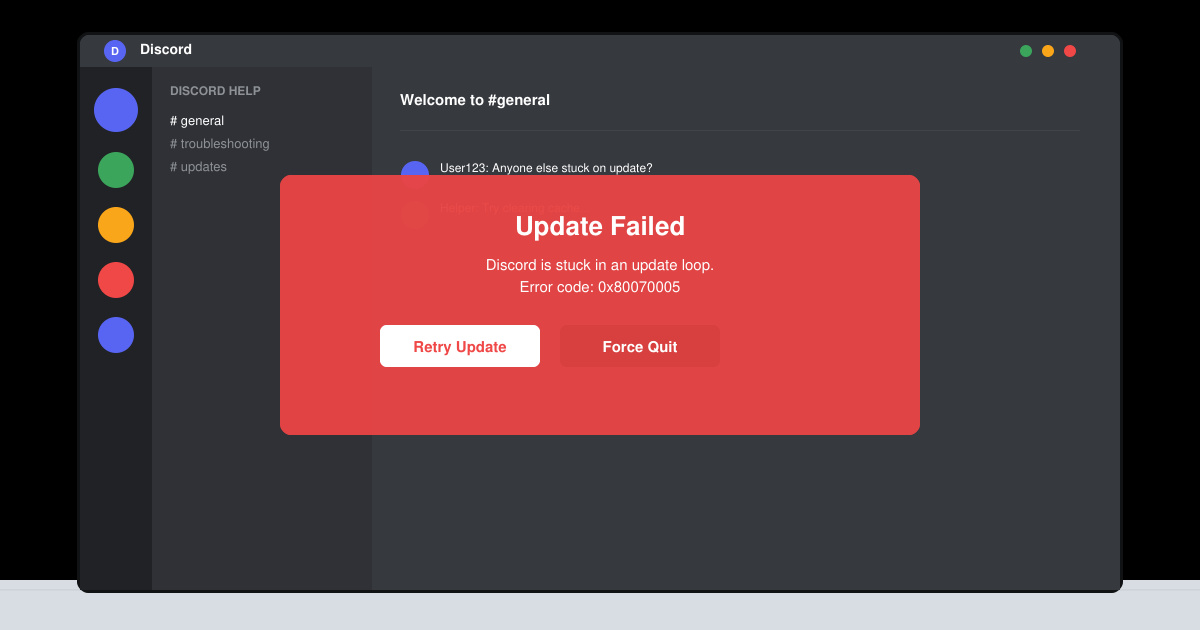
Stuck in the Discord Update Failed Loop? Follow these targeted fixes to break the cycle and complete the update without repeated failures or reinstalls.
Travel planning used to mean folders full of printed confirmations, handwritten notes, guidebooks, and a slightly terrifying number of browser tabs. Now, pretty much everything you need for a trip can live on the device already in your pocket.
Discover how Canva Free for Teachers gives educators full access to premium design tools at no cost. Verify your status and start creating classroom materials in minutes.
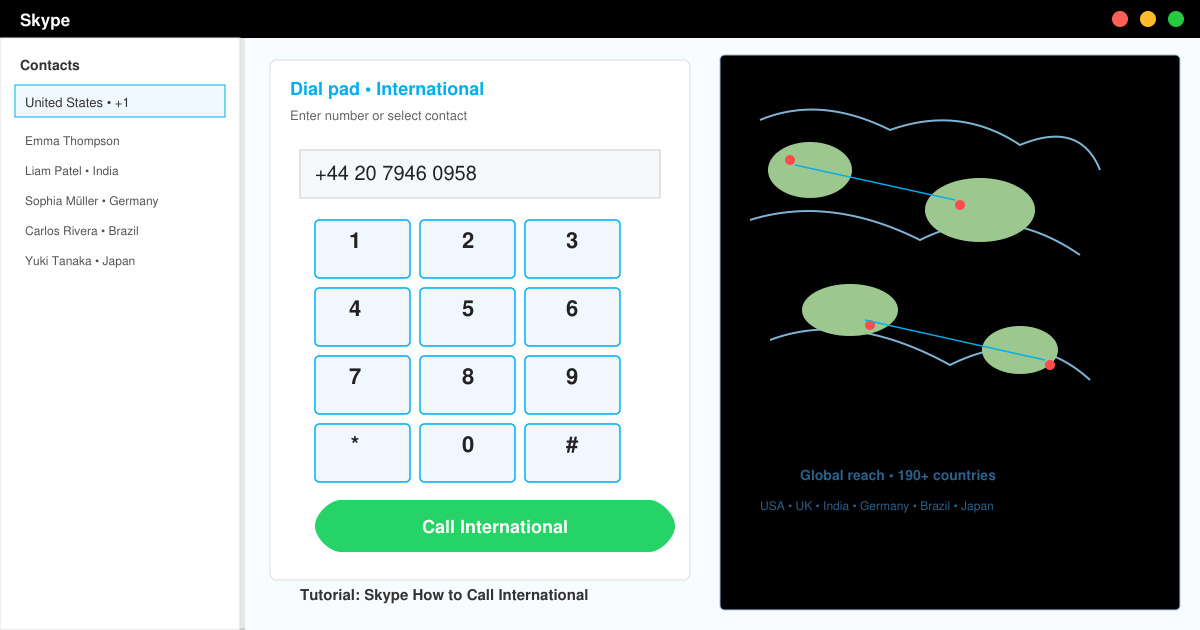
Skype How to Call International is simple and cost-effective once you set up credit and use the right country codes. Follow this guide to place clear calls from anywhere.
Make Skype to Skype Calls Free in minutes with this clear guide. Set up your account, add contacts, and start unlimited voice and video calls at no cost.
Fix the Your Connection is Not Private Chrome error quickly with these exact steps. Restore secure browsing by addressing certificate and settings issues in minutes.
Record heat has lifted air-conditioning demand while gas-market shocks have returned volatility to power prices. That creates a real risk of painful bills—but not a guaranteed, Europe-wide price explosion.
Large format printing has long faced criticism for its environmental impact. Traditional substrates, solvent-based inks, and short-lived promotional campaigns have all contributed to the perception that eye-catching graphics come at a high environmental cost.
Long-distance travel can involve heavy traffic, changing weather conditions, and rider fatigue. If you are also dealing with the responsibilities of moving home, such as packing belongings or coordinating accommodation, a long ride may add unnecessary pressure to an already busy schedule.