2026 ED138: Why Astronomers Call It a Dwarf Planet Candidate

Learn what makes 2026 ED138 a dwarf planet candidate, how the IAU defines dwarf planets, and which measurements could confirm its status.
The debate over Rhiannon Morgan’s AI-edited photo is about much more than an unflattering retouch. Morgan, a disability and visible-difference campaigner from Bridgend, Wales, said a photo intended for a workplace newsletter had been altered so that distinctive features of her skin were smoothed away. The controversy asks a direct question: should an AI image tool change how a real person looks when no one has asked it to change that person’s appearance?
The incident was reported by BBC Wales on October 29, 2026. Morgan described the result as upsetting; Canva, the design platform involved in the newsletter workflow, said it does not automatically retouch photos and was investigating what happened. Those accounts should not be collapsed into a finding that Canva deliberately altered her appearance. See the BBC Wales investigation.
According to the BBC report, a colleague was using Canva to arrange photographs for a work newsletter. Morgan understood the request to be about layout rather than altering the people pictured. But the resulting image changed her skin’s color and texture: the pinkness she normally has and hardened skin visible on her raised hands appeared to have been removed or smoothed.
Morgan, who has epidermolytic ichthyosis, saw the image before the newsletter was distributed. That distinction matters: this is not a documented case of the altered photo being publicly circulated in the finished newsletter.
Epidermolytic ichthyosis is a rare inherited skin condition associated with fragile skin, blistering, and other difficulties. Morgan previously described her experiences with healthcare, bullying, and public reactions in the Rhiannon Morgan’s account published by Changing Faces. Her criticism of the image therefore concerns the erasure of features that are part of her identity and lived experience, not simply a preference for one editing style over another.
| Question | What the evidence shows |
|---|---|
| Was Morgan’s appearance changed? | Morgan told BBC Wales that the newsletter image visibly changed her hands and skin. |
| Was a change to her appearance requested? | She said she understood the task to be rearranging photos, not retouching them. |
| Did Canva confirm automatic retouching? | No. Canva said it does not automatically retouch photos and was looking into this specific case. |
| Was the edited image published? | The BBC reported that Morgan saw it before the newsletter went out. |
| Is the exact software sequence established? | The public reporting does not establish precisely which commands, settings, or processing steps produced this result. |
This distinction between a person’s account, a company response, and a completed technical investigation is essential. It is reasonable to discuss the harm Morgan described without claiming that a particular Canva feature was conclusively responsible.
Photographic adjustments can correct lighting, cropping, or exposure. But an edit that removes scars, birthmarks, or the appearance of a skin condition can alter what an image communicates about a person. The implied standard is especially troubling when the software is asked to make someone look “normal,” as though a visible difference disqualifies the original image from being acceptable.
Agreeing to appear in a newsletter does not necessarily mean agreeing to have distinctive physical traits changed. In workplace communications, the person photographed may have little visibility into the editing process. The practical question is who approves the final likeness, especially when AI tools are used for routine layout or cleanup.
BBC Wales separately tested image tools using prompts about making people look “normal” and reported that Grok, Gemini, and ChatGPT removed visible differences in its examples. These were reported observations from a particular test, not evidence that every image request or product version behaves the same way. The results nevertheless illustrate how an ambiguous prompt can encode a narrow assumption about appearance.
Canva’s own Canva’s guidance on safe and lawful use of Magic Studio tells users to get permission when editing photos of recognizable people and to review outputs for unexpected or inappropriate results. That guidance describes responsible use; it does not settle the cause of Morgan’s particular experience.
The BBC investigation also discussed people with other visible differences, including campaigner Jono Lancaster, whose appearance has been changed in AI imagery. Campaigner Katie Piper has questioned the use of AI to “fix” faces. Taken together, these examples have shifted the conversation from how convincing a generated image looks to whether the subject is represented accurately and respectfully.
There is also a data-protection dimension. In February 2026, the UK’s Information Commissioner’s Office joined international regulators in warning about realistic AI depictions of identifiable people made without their knowledge or consent. That UK Information Commissioner’s Office statement on AI-generated imagery addresses a wider range of risks, not a legal ruling on Morgan’s newsletter photo. It reinforces the importance of transparency, safeguards, and meaningful ways for people to challenge harmful uses of their image.
For employers, designers, communications teams, and anyone publishing real people’s photographs, the following checks can reduce avoidable misrepresentation:
Rhiannon Morgan’s criticism is not an argument against every kind of AI photo editing. It challenges an assumption that removing a visible difference is an improvement. The unresolved technical details of the newsletter image deserve careful investigation, while the broader editorial principle is already clear: tools should serve the person represented, not silently replace that person’s appearance with a standardized ideal.
Learn what makes 2026 ED138 a dwarf planet candidate, how the IAU defines dwarf planets, and which measurements could confirm its status.
Bendix brake maker FMP Group entered administration in Australia. Learn what it means for orders, warranties, supplier debts, and creditor claims.
Find today's moonrise in Sydney, Melbourne, Brisbane, Perth, or your town. Compare trusted calendars, time zones, and viewing conditions.
Why did Rhiannon Morgan criticize an AI-edited workplace photo? Here’s what BBC Wales reported, Canva’s response, and the wider debate over consent and bias.
The UK Budget sets out new State Pension-related tax relief for 2027–28. See who qualifies, how income limits work, and what HMRC will do.
England’s £100 energy payment starts in January 2027. Find out who qualifies, how Council Tax bands A–D affect eligibility, and how to get paid.
Find the Brewers' October 30 championship parade time and route, free rally details, shuttle options, ticket rules, and official Milwaukee updates.
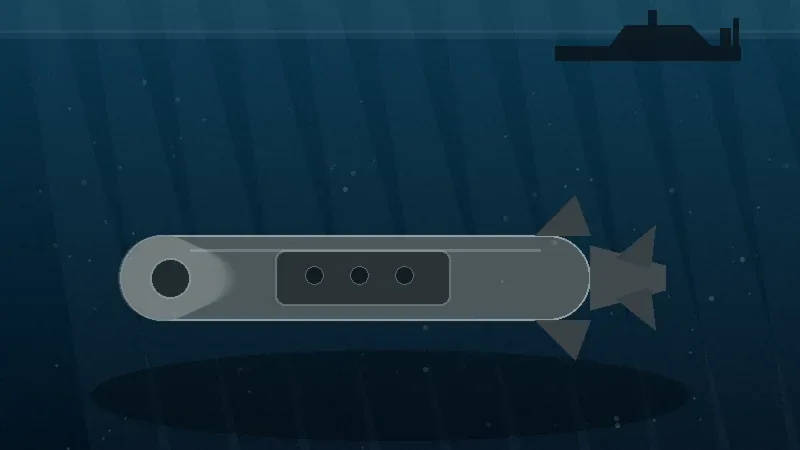
Latest verified Iran war update for Sept. 9, 2026: U.S. tanker strikes, Iran’s Jordan missile attack, and what is known about the Dive-LD underwater drone.
Find out who qualifies for UK Cold Weather Payments in winter 2026–27, how the £25 temperature trigger works, and when to check your postcode and payment.
Bendix’s Australian business entered voluntary administration. Learn what it means for brake parts, warranties, orders, supplier debts and creditors.