Desk Decorating Ideas for a Spooky Office Cubicle
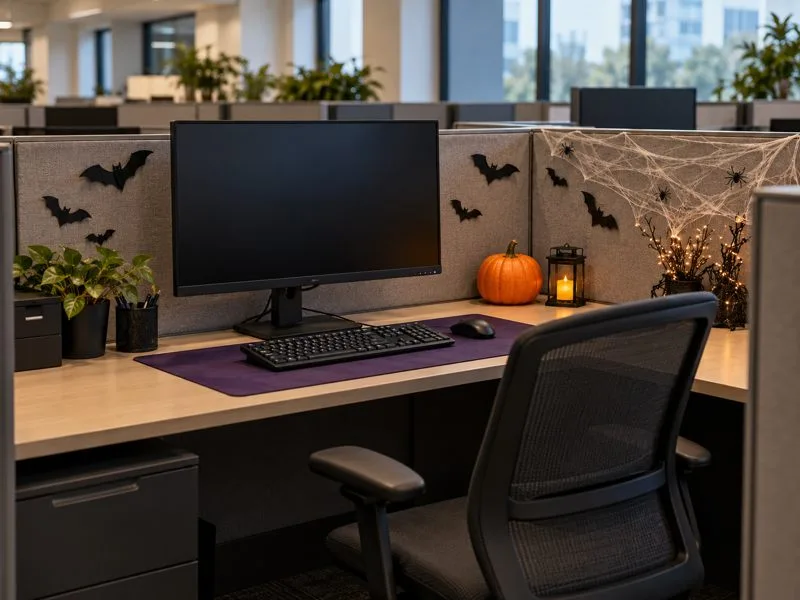
Create a spooky office cubicle with Halloween desk decor ideas that keep your workspace usable, tidy, and mindful of workplace safety.
What is psychological manipulation? How to avoid being psychologically manipulated? The article below will give you the answer.

What is psychological manipulation?
Psychological manipulation is a type of social influence that attempts to change another person's behavior or perception through indirect, deceptive, or deceptive tactics. It is often used to gain power, control, or personal gain.
Signs of psychological manipulation
Emotional manipulators typically exhibit certain types of behavior and induce specific types of emotions, including:
Persistence: A manipulative partner, co-worker, or loved one can wear you down and control you more easily if they are persistent. They may constantly pester you to take on certain tasks for them until they get you to give in. You may notice that their behavior seems regular or even constant.
Dishonesty: Lying through concealment or other means. Your manipulator will often be dishonest with you to get what they want. You may feel inclined to lie to family or friends to hide what is going on in your relationship.
Guilt: Guilt is one of the main tactics that manipulators use. By making you feel guilty, they can get you to do what they want through your trust or feelings of remorse.
Fear: A partner, family member, or close friend may be particularly good at getting you to confront your heavy emotions. You may fear that anything you do will trigger them, make them angry, or manipulate you further.
Pressure: Whether it is emotional, sexual, or financial, a psychological manipulator may intentionally put a lot of pressure on their victim so they can quickly achieve their goals.
Feeling trapped: Being emotionally abused by a family member or partner can leave you feeling trapped. You may struggle with feeling obligated to stay loyal to them for the sake of your family.
Confusion: An intimate partner who exhibits psychologically manipulative behavior or causes cognitive "distortions" during a conflict can leave you feeling confused and doubting your own reality.
Trust issues : Even if it's subconscious, manipulation in relationships can cause you to lose trust in others out of fear that they will turn you into a victim of emotional abuse again.
Feeling Alone: If someone close to you uses manipulative tactics like social isolation, you may lose the relationships you have built with others. You may feel alone in your struggles, even in your relationship with your abuser.
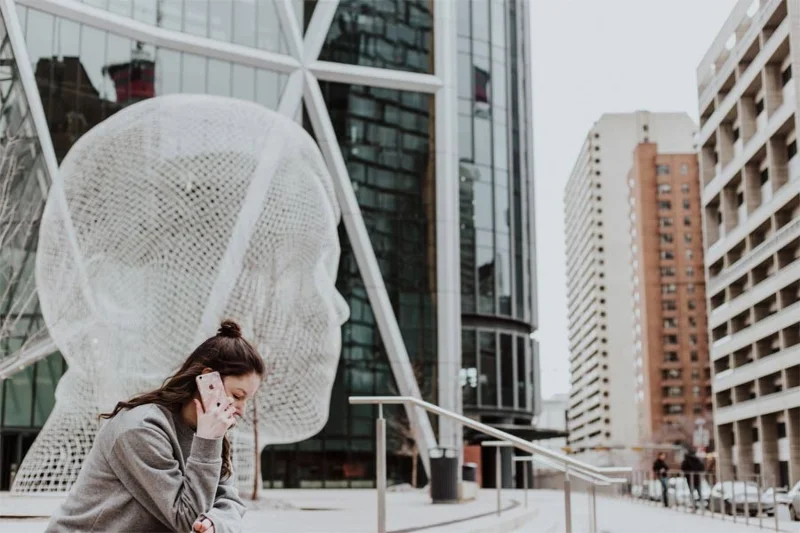
How to protect yourself from psychological manipulation
Trust your instincts : If you feel like something is wrong, trust your intuition. Your intuition can often detect manipulation.
Set and enforce boundaries : Clear boundaries can protect you from manipulative tactics. Make sure you communicate these boundaries assertively.
Maintain a strong support system : A strong social network can provide emotional support and give a more objective perspective on your situation.
Seek professional help when needed: Psychologists and therapists are trained to deal with manipulation and can provide strategies and methods for handling such situations.
Create a spooky office cubicle with Halloween desk decor ideas that keep your workspace usable, tidy, and mindful of workplace safety.
Plan a recognizable Halloween 2026 look with pop culture costumes inspired by Spider-Man, Supergirl, Toy Story 5, Moana, Mario, and Wednesday.
Sort leftover Halloween candy safely, share or repurpose sealed treats, and choose food use or compost for pumpkins based on their condition.
Compare workplace Halloween costume choices by respect, dress code, mobility, and safety—and learn when a subtle accessory or a policy check is the better option.
Find a couples costume that fits your style, budget, and comfort level, from Addams Family classics to original inside-joke duos.
Need a last-minute high school Halloween costume? Compare 10 easy closet-based ideas by prep time, comfort, school-day practicality, and simple safety checks.
Use a simple 2026 Halloween decorating timeline for indoor décor, outdoor displays, and fresh pumpkins, with practical adjustments for weather and events.
Mix five vivid, approachable Halloween cocktails with measured recipes, simple prep tips, and an alcohol-free option for your party guests.
Find 15 office-friendly Halloween costume ideas for 2026, with practical checks for dress codes, respectful themes, comfort, and workplace safety.
Plan a fun elementary school Halloween party with easy crafts, games, inclusive treats, costume tips, and a sample 75-minute classroom schedule.