Make Realistic Fake Blood Without a Cleanup Surprise
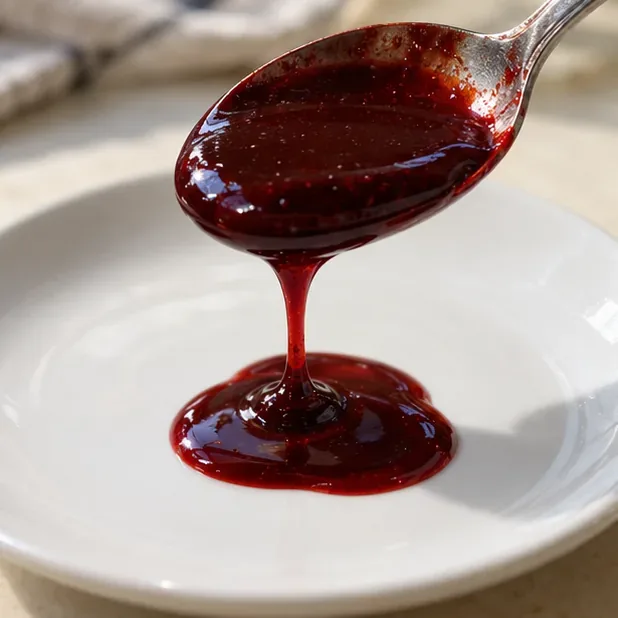
Mix a glossy prop-only fake blood batch, choose safer products for skin and costumes, and test cleanup before Halloween night.
According to Science Alert, South Korea's KSTAR fusion reactor can withstand temperatures of up to 100 million degrees Celsius and maintain it for nearly 50 seconds. The Korean 'artificial sun' sets a new record, and is a huge leap from the reactor's achievement of approximately 20 seconds in 2021.
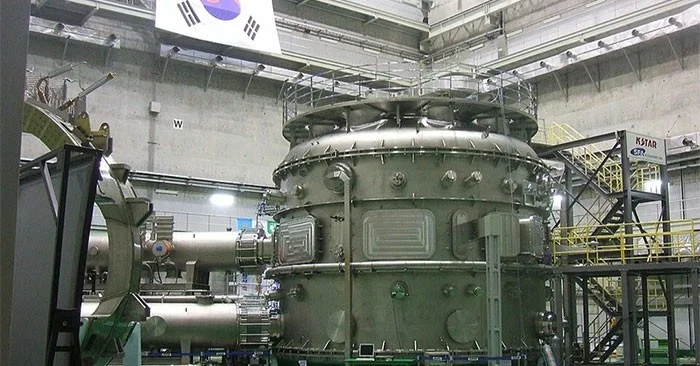
At 100 million degrees Celsius, the heavy hydrogen isotopes in the plasma are forced to fuse together, releasing energy similar to the Sun's core. The reactor can generate clean, virtually limitless energy if maintained in this state.
However, for nuclear fusion reactions in general, the major challenge is to prevent plasma escape by using magnetic fields.
To overcome the problem, KSTAR uses a new diverter made of tungsten, a material that has a very high melting point, but does not absorb plasma.
The new diverters were completed in 2023. The official use of the new diverters extended the reactor's operating time by 48 seconds.
Researchers from the Princeton Plasma Physics Laboratory also found a way to stabilize weaknesses at the edge of the plasma caused by tiny defects in the magnetic coils, allowing the reactor to achieve a second milestone: containing plasma in high isolation mode — or “H mode” — for 102 seconds. This had been limited to just a few seconds in previous attempts.
According to researchers, South Korea's 'artificial sun' promises to bring more potential for the production of clean energy sources of the future.
The goal of the Korean researchers is to achieve 300 seconds of plasma operation with temperatures above 100 million degrees Celsius by the end of 2026. However, this is still a few minutes shorter than China's Experimental Advanced Superconducting Tokamak ( EAST ) reactor, which can generate and maintain plasma for nearly 7 minutes, as of April 2023.
Mix a glossy prop-only fake blood batch, choose safer products for skin and costumes, and test cleanup before Halloween night.
Create a gentle Halloween look with pastel colors, friendly ghosts, easy no-carve accents, and practical safety tips for your home.
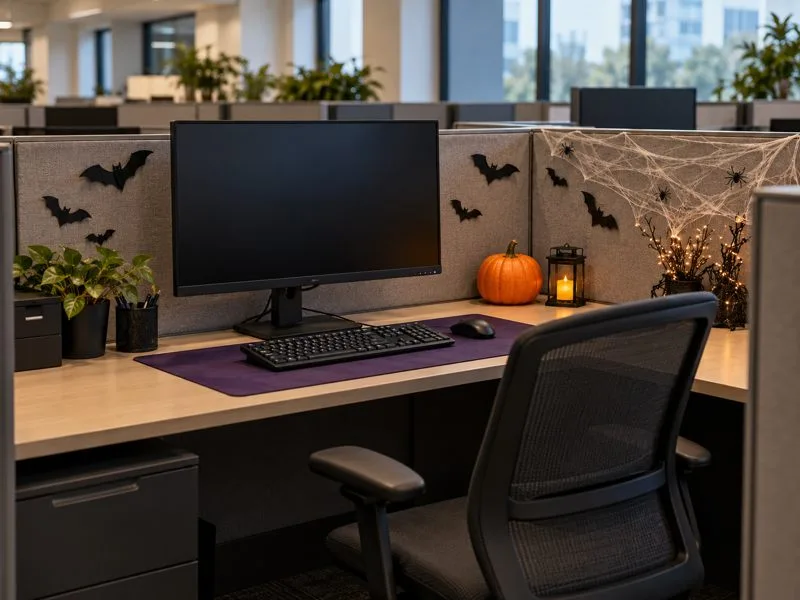
Create a spooky office cubicle with Halloween desk decor ideas that keep your workspace usable, tidy, and mindful of workplace safety.
Plan a recognizable Halloween 2026 look with pop culture costumes inspired by Spider-Man, Supergirl, Toy Story 5, Moana, Mario, and Wednesday.
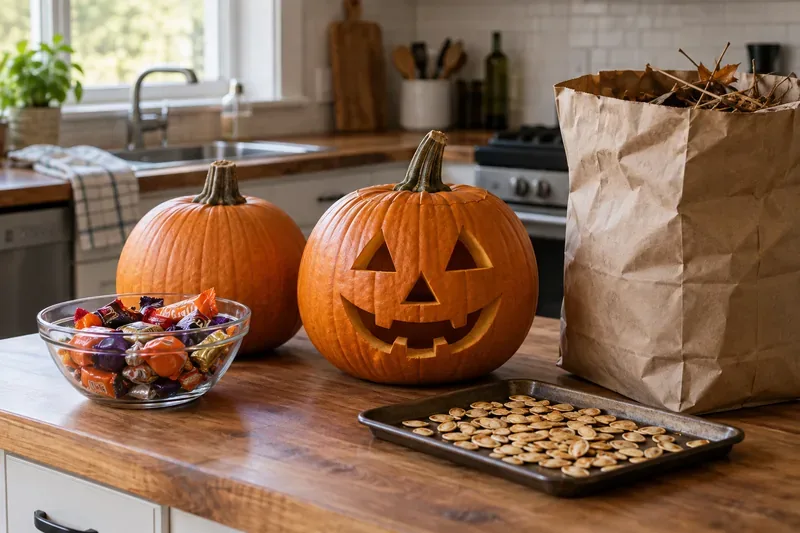
Sort leftover Halloween candy safely, share or repurpose sealed treats, and choose food use or compost for pumpkins based on their condition.
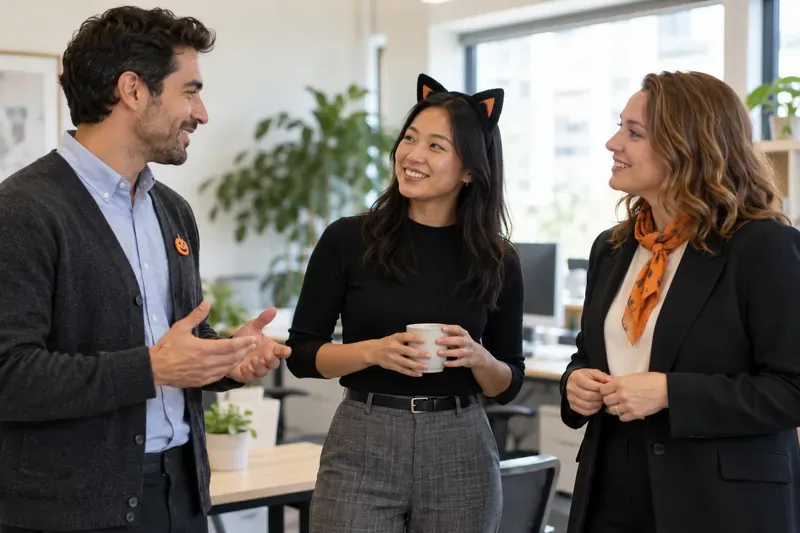
Compare workplace Halloween costume choices by respect, dress code, mobility, and safety—and learn when a subtle accessory or a policy check is the better option.
Find a couples costume that fits your style, budget, and comfort level, from Addams Family classics to original inside-joke duos.
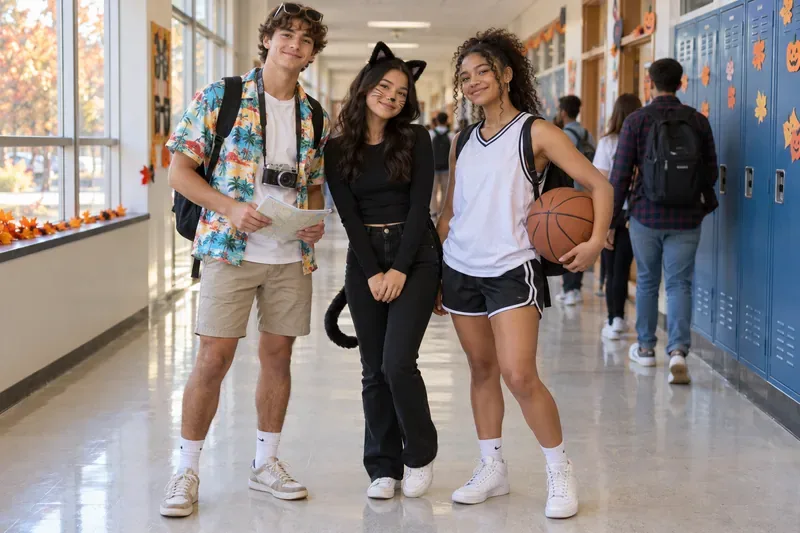
Need a last-minute high school Halloween costume? Compare 10 easy closet-based ideas by prep time, comfort, school-day practicality, and simple safety checks.
Use a simple 2026 Halloween decorating timeline for indoor décor, outdoor displays, and fresh pumpkins, with practical adjustments for weather and events.
Mix five vivid, approachable Halloween cocktails with measured recipes, simple prep tips, and an alcohol-free option for your party guests.