Would Europe Be Drawn into a Hypothetical U.S.-Israel-Iran Nuclear War? NATO Rules Explained

A guide to NATO Articles 4 and 5, UN self-defense rules, and why consultation does not mean automatic European entry into war.
Oman startup 44.01 has developed a new technology that can trap CO2 - a planet-warming gas - permanently underground, removing large amounts of the gas from the atmosphere.
44.01, named after the molecular weight of CO2. The startup mixes CO2 with water and pumps it down into cracks in peridotite, a naturally fractured rock, about 1 kilometer underground. The mixture is pumped down the borehole and seeps into the cracks in the peridotite. Through a process called carbon mineralization, in which certain minerals react with CO2 to form solid carbonates, the CO2 is sequestered, trapped underground, and unable to escape back into the atmosphere.

Peridotite is usually found deep underground, but the deposits in Oman are closer to the surface, allowing scientists to observe its carbon-sequestering abilities.
44.01's technology speeds up the CO2 sequestration process in just a few months, instead of decades as it would take in nature.
44.01 has proven the technology in Oman and the UAE. The company aims to commercialize it in these two countries first, then expand globally.
Test results show that the new technology can currently sequester about 50 - 60 tons of CO2 per day. 44.01 aims to sequester 100 tons of CO2 per day per borehole when the technology is commercialized.
Scientists warn that while carbon capture and sequestration technology can play a significant role in mitigating the effects of climate change, it should not be seen as a panacea. What is important is for countries to drastically reduce their use of fossil fuels, which are the source of emissions.
A guide to NATO Articles 4 and 5, UN self-defense rules, and why consultation does not mean automatic European entry into war.
Assess claims about Iran in six steps, distinguishing uranium enrichment, weapons development and verified possession.
Understand nuclear decision authority in six steps, including US civilian control and the limits of public information about Israel.
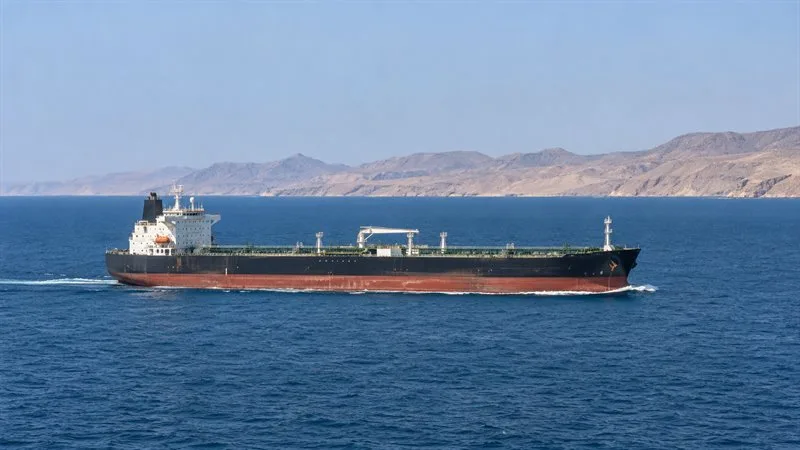
A guide to official 2026 evidence on Hormuz shipping disruption, Iran-related claims, confirmed incidents, and what remains uncertain.
A source-based guide to nuclear escalation risks, UN Charter rules and NATO Article 5 in a strictly hypothetical Iran scenario.
Use five steps to prepare for an outage; nuclear and EMP scenarios are hypothetical, and official shelter instructions come first.
Use 5 defensive steps to verify a cyber disruption, protect household accounts, and avoid mistaking an outage for war.
Use these 5 steps to assess climate effects from a hypothetical Iran strike, compare model assumptions, and avoid unsupported predictions.
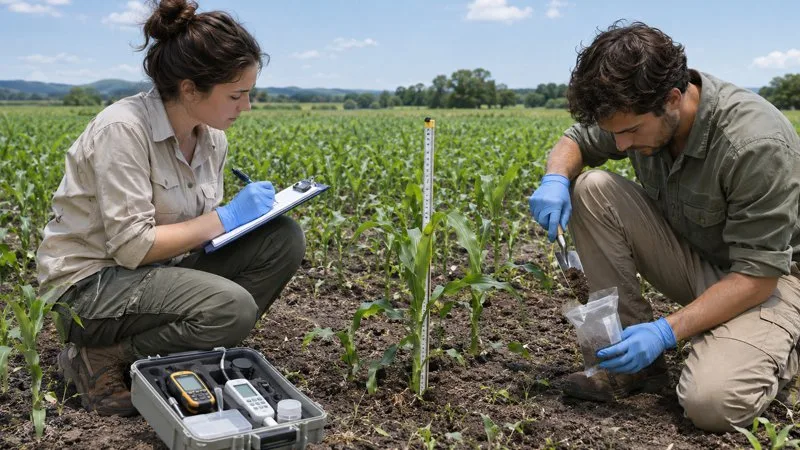
Explore six steps for reading research on climate, food and ecosystem recovery after a hypothetical nuclear conflict.
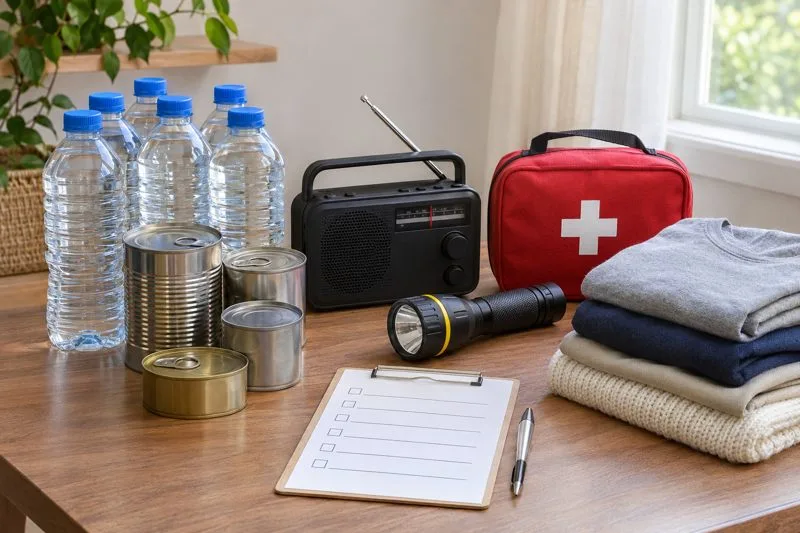
Build a practical fallout preparedness kit in six steps, with sealed food and water, a radio, medical supplies and shelter guidance.