NSW Thunderstorm Update: Warning Cancelled, Storm Risk Remains | Nov. 25
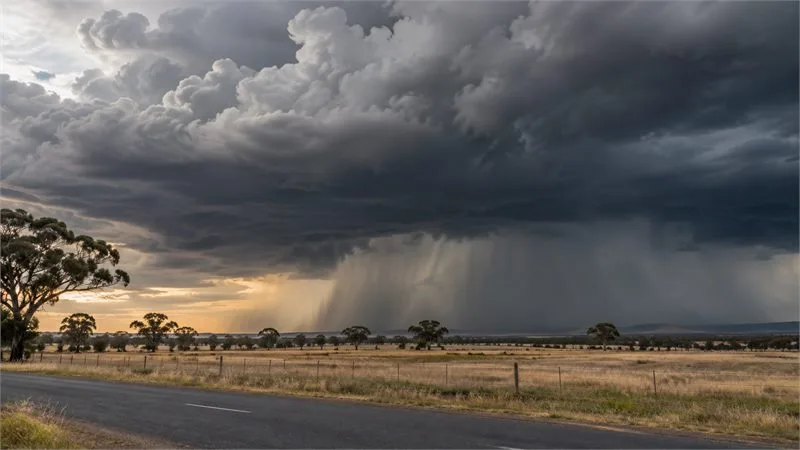
The Bureau of Meteorology’s latest NSW summary lists a cancelled severe thunderstorm warning. Storms remain possible in parts of northern and western NSW.
Verified and updated: November 25, 2026, at 9:37 a.m. UTC.
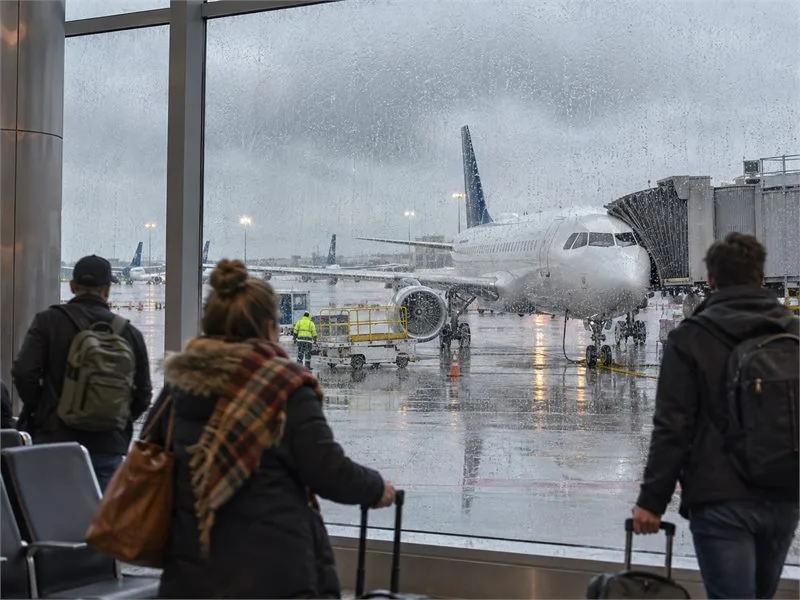
A potent storm could complicate Thanksgiving travel across the eastern United States, while a separate Pacific system brings rain and mountain snow to parts of the West. NOAA’s November 24 outlook highlights heavy rain, strong winds and possible flooding from the Ohio Valley to the Eastern Seaboard on Thursday, November 26. For people flying, the risk is not limited to the airport closest to home: weather at a connection point or along a busy route can also disrupt a trip.
NOAA also forecasts showers and a few thunderstorms across the lower Mississippi Valley and Southeast on Wednesday, November 25, with rain and wet-snow possibilities farther north and west. These are forecast hazards, not a guarantee that any specific flight will be delayed or canceled. Check your airline’s flight status and the FAA’s live airport information before leaving for the airport.
NOAA’s Weather Prediction Center outlook describes a storm affecting a broad part of the East. On Wednesday, showers and a few thunderstorms are forecast in the lower Mississippi Valley and Southeast. Later Wednesday into Thursday morning, colder air moving into the mid-Mississippi Valley could bring a mix of rain and wet snow. In the West, a Pacific system could bring showers to the Pacific Northwest and Northern California, as well as coastal flooding during high tides.
For Thursday, November 26, NOAA identifies a risk of heavy rain, high winds and flooding spanning the Ohio Valley to the Eastern Seaboard. It says strong winds, downpours and coastal flooding could affect morning travel from the Carolinas to southern New England. Rain is expected to linger in much of New England on Friday, November 27, while scattered showers and a rain-snow mix could affect parts of the Great Lakes and Ohio Valley.
That regional picture helps travelers identify where to pay closer attention, but it cannot tell you whether your specific flight will operate on time. Conditions can differ between nearby airports, and forecasts can change. Check the National Weather Service forecast for your origin, destination and connection cities, then compare it with the latest information from your carrier.
Air traffic managers may route aircraft away from hazardous weather or slow the flow of flights to an affected airport. The Federal Aviation Administration says it may delay flights scheduled to arrive at or depart from airports experiencing severe weather; the FAA does not cancel flights or close airports. A flight can therefore be affected even when the terminal is open and the weather at the departure gate looks manageable.
Delays can also travel through an itinerary. A late-arriving aircraft may be scheduled to operate another flight, while a missed connection can leave a traveler waiting for the next available seat. If storms affect a large region or a busy connection airport, changes to routes and schedules may ripple beyond the area experiencing the worst conditions. The FAA’s live delay page reports general airport conditions, not the status of an individual flight, so check both that page and your airline’s app or website.
For this storm, the main concern identified by NOAA is the combination of strong winds, heavy rain and possible flooding in parts of the East, plus separate wet weather in the Pacific Northwest. The exact effects on airline schedules remain dependent on how conditions develop and how flight operations respond. Forecasts should not be treated as a confirmed list of cancellations.
Start with your airline’s flight-status page or app, and make sure your contact details are current so you receive schedule alerts. Check the status of every leg, including connections, rather than looking only at the first departure. Review the FAA’s airport-delay information as a broad operational snapshot; it is not flight-specific. Before driving, check the weather and road conditions along the route to the airport, especially if heavy rain, standing water, strong winds or wintry precipitation are possible.
If your plans are flexible, look at the carrier’s change options early and compare alternatives before making a change. Do not assume a forecast automatically qualifies you for a waiver; eligibility depends on the airline’s current policy and the details of your itinerary. If the airline cancels a flight or makes a significant change and you choose not to accept the offered alternative, the U.S. Department of Transportation says you are entitled to a refund. Rebooking and other assistance can depend on the circumstances and the carrier’s policies.
Build extra time into airport transfers and connections where you can, and keep essential medication, chargers and travel documents accessible in your carry-on. If you are already at the airport when a delay occurs, follow the airline’s instructions and watch for revised departure times: early estimates can change as weather and traffic conditions evolve.
NOAA expects the eastern storm to move away from the Northeast on Saturday, November 28, though showers or a rain-snow mix may remain from the Great Lakes to New England during the day. In the West, rain and higher-elevation snow are expected as another system crosses the central and northern Rockies. For Sunday, November 29, NOAA flags possible rain and mountain snow from California to Washington, wet roads in the Southeast and Florida, and a chance of mixed rain and snow across the Great Lakes.
Those outlooks are useful for planning, but they are not a promise of specific flight conditions. Recheck local forecasts and airline status closer to departure, particularly for return trips. NOAA recommends using weather.gov for a location-specific forecast. Travelers can also consult the FAA’s National Airspace System Status and their airline’s flight-status service.
Some flights could be delayed, rerouted or canceled if weather affects airport or airspace operations, but NOAA’s forecast does not confirm individual cancellations. Check directly with your airline.
Use the FAA’s airport-delay information for general conditions and your airline’s app or website for your specific flight.
If the airline cancels or significantly changes your flight and you decline the alternative offered, DOT says you are entitled to a refund. Check the current DOT guidance and your airline’s notice for details.
Sources: NOAA Thanksgiving week forecast; FAA weather and travel guidance; FAA airport delay information; U.S. Department of Transportation refund guidance.
The Bureau of Meteorology’s latest NSW summary lists a cancelled severe thunderstorm warning. Storms remain possible in parts of northern and western NSW.
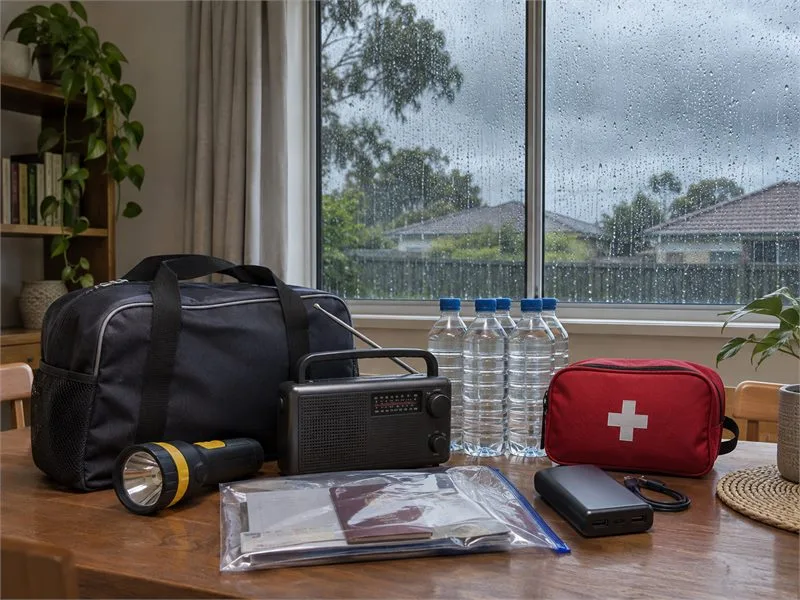
Prepare for severe storms in NSW with a practical home and family checklist, warning guidance, and the right emergency contacts: 000 and SES 132 500.
Nintendo’s Ver. 1.9.0 update adds eight remixed courses, two Knockout Tour rallies, automatic race and battle replays, and gameplay fixes to Mario Kart World.
Dough Balls Pizza Place Pty Ltd entered creditors’ voluntary liquidation on 20 November. Here’s what the liquidator’s appointment and reported restaurant closures mean.
Dough Balls Pizza Place entered liquidation on Nov. 20. Learn what its closure means for gift cards, deposits, orders, and employee entitlements in Australia.
Check Microsoft 365 and Azure service health, identify whether an outage affects your business, and protect essential operations with practical continuity steps.
Understand how cloud failures spread, what “Code Red” signals, and how Australian businesses can verify an outage, limit downtime and prepare for recovery.
Nintendo’s Mario Kart World 1.9.0 update adds eight course variants, two Knockout Tour rallies and race replays, alongside gameplay fixes. See the verified patch notes.
Gatwick’s third-party AutoPay service remains unavailable after unauthorized access. See what data may be involved, what remains unknown, and what drivers can do.
NOAA warns of Thanksgiving storm risks across the East and wet weather in the West. Learn how weather can affect flights, connections and your travel plans.