Fast Food Open on Thanksgiving: How to Check Local Restaurant Hours (Updated 2026)
Learn which fast food chains are open on Thanksgiving and how to check local restaurant hours using official apps and store locators before heading out.
Forecast checked: Nov. 25, 2026, at 9:36 a.m. UTC (4:36 a.m. EST).
A strengthening coastal storm is bringing a mix of travel hazards to the United States on the eve of Thanksgiving. The National Weather Service has posted high-wind warnings and watches in parts of the Mid-Atlantic and Southeast, winter-weather alerts in portions of the Mississippi Valley and northern Intermountain West, and coastal-flood alerts along parts of the West Coast. Forecasters expect heavy rain, powerful gusts and coastal flooding from the Carolinas toward southern New England through Thanksgiving, with some impacts potentially continuing into Friday.
For travelers, the biggest concern is a changing combination of hazards along the route: wet and potentially flooded roads near the East Coast, wind that could affect high-profile vehicles and airport operations, and snow or mixed precipitation farther inland. These are forecast risks, and exact conditions vary by location. Check local alerts and carrier updates before leaving.
In its short-range forecast discussion issued early Wednesday, Nov. 25, the NWS Weather Prediction Center reported high-wind watches for parts of northeastern Georgia and western North and South Carolina. It also listed high-wind warnings for portions of New Jersey, Maryland’s Eastern Shore, Delaware, and southeastern and northeastern Pennsylvania. The same discussion noted winter-storm warnings and winter-weather advisories in parts of the Middle Mississippi Valley, coastal-flood warnings around the San Francisco region, and high-wind watches in parts of the Northern Rockies.
Those alerts are geographically specific and can change as the storm evolves. A watch means conditions are possible; a warning means hazardous conditions are occurring or expected soon. Use the NWS alert map and your local forecast office for the latest alert boundaries rather than assuming an entire state or travel corridor is covered.
The forecast calls for the coastal system to strengthen and move up the East Coast. The NWS warns of strong onshore winds, high surf and high astronomical tides that could drive significant coastal flooding and beach erosion from Georgia and the Carolinas into the Northeast. The forecast discussion gives a broad estimate of 1–4 inches of rain in the Carolinas and Mid-Atlantic and 1–2 inches in parts of southern New England. Those are forecast amounts, not observed totals.
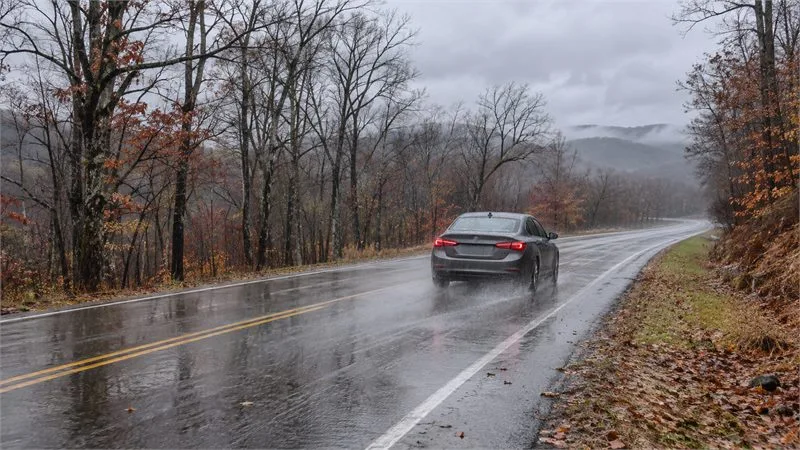
Heavy rain and standing water can reduce visibility, increase stopping distances and make some roads impassable. Powerful coastal gusts may also create difficult conditions for trucks, buses and other high-profile vehicles; the NWS says power outages and tree damage are possible. Rain and gusty winds can also contribute to flight delays, but the weather forecast does not establish that a particular airport or flight will be disrupted. Check your airline’s status tools and airport advisories before departing.
Inland, snow is expected in portions of the Middle Mississippi Valley, with light snow possible at higher elevations from the Tennessee Valley into the Southern Appalachians. The NWS also forecasts snow in parts of the Northern Intermountain region and higher terrain in the Northwest. Drivers crossing these areas should check road conditions and allow for slower travel, especially where rain changes to snow or mixed precipitation.
The latest NWS discussion, issued at 3:14 a.m. EST Wednesday, describes a developing low-pressure system off the Southeast coast intensifying into a strong coastal storm for Thanksgiving. It identifies a slight risk of excessive rainfall along parts of the Carolina coast on Wednesday and the northern Mid-Atlantic on Thanksgiving, plus a slight risk of severe thunderstorms over the southern tip of Florida on Wednesday. Possible hazards there include frequent lightning, damaging thunderstorm winds, hail and a few tornadoes.
NOAA’s Nov. 24 holiday outlook had already flagged a Thanksgiving storm threat across the Ohio Valley and Eastern Seaboard, alongside rain and mountain snow in the West. The newer NWS discussion adds more specific alert areas and a sharper description of the coastal flooding, rainfall and wind hazards. It also forecasts rain expanding into the Northeast by Friday. This outlook is not a guarantee of impacts at every location; the storm track and local conditions matter.
Before driving, review the point forecast for your origin, route and destination, and check it again shortly before departure. Avoid driving through water-covered roads, allow extra stopping distance on wet or snowy pavement, and consider delaying travel if local officials advise against it. Coastal travelers should heed evacuation or flood guidance from local authorities. In areas under wind alerts, secure outdoor items and be ready for possible power interruptions.
For flights, check airline notifications and airport conditions before heading to the terminal, and keep an eye on connections if your itinerary passes through the East Coast or other areas with active weather. An alert does not automatically mean a cancellation, and a clear forecast at departure does not rule out weather farther along the route.
NOAA advises travelers to consult the National Weather Service local forecast and alerts. The latest national forecast details are in the NWS Weather Prediction Center short-range discussion and NOAA’s Thanksgiving week outlook.
Yes. The NWS forecasts a strong coastal storm affecting parts of the eastern U.S. around Thanksgiving, with rain, strong winds and coastal-flooding risks. Local impacts will vary.
The latest NWS discussion lists high-wind alerts in parts of the Southeast and Mid-Atlantic, winter-weather alerts in portions of the Middle Mississippi Valley, and coastal-flood warnings near San Francisco. Check your local alert map for current boundaries.
The forecast cannot determine whether an individual flight will be canceled. Wind and rain may cause delays at some locations; check directly with your airline and airport.
Learn which fast food chains are open on Thanksgiving and how to check local restaurant hours using official apps and store locators before heading out.
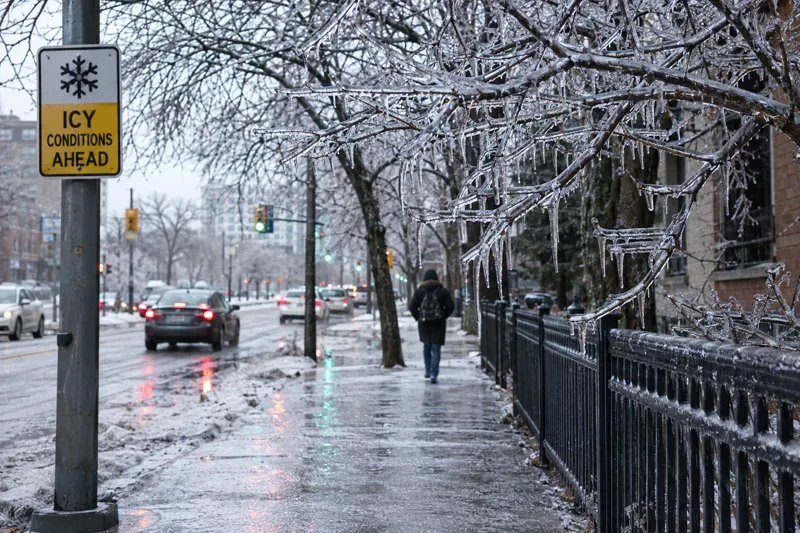
Yellow freezing rain warnings cover parts of Ontario, Quebec and New Brunswick. Check local alerts, road reports and travel precautions for Nov. 26–27.
Learn how to spot common fraud warning signs, from urgent requests and security-code demands to suspicious offers and changed payment details.
Think you were targeted by fraud? Learn the first steps to protect your money and accounts, report suspicious messages in the UK, and understand possible refunds.
Shopping Black Friday sales in Australia? Check tech price history, true checkout costs, seller legitimacy and consumer rights before buying in 2026.
Learn how Australian shoppers can evaluate Black Friday tech deals, compare model specifications, verify genuine price cuts, and utilize consumer protections under ACL.
Check TfL’s official Tube status, understand strike-related line updates, and replan your London journey using TfL’s website or TfL Go app.
TfL’s 26–27 November Tube strike is disrupting London Underground services. See the confirmed line impacts, alternatives and how to check before traveling.
Learn what “Feliz Día de Acción de Gracias” means, how U.S. Thanksgiving developed, when it falls in 2026, and find thoughtful greetings for family, friends, and coworkers.
Brighton and Universitatea Craiova enter Matchday 4 level on seven points. Here is how the result could affect their route through the Conference League.