Strictly Come Dancing Week 8: Songs, Dances and How to Vote — November 14
Your Week 8 guide to all nine Strictly Come Dancing routines, the partner change, BBC voting rules and the results show schedule.
Updated: November 14, 2026, 9:03 a.m. UTC (4:03 a.m. EST).
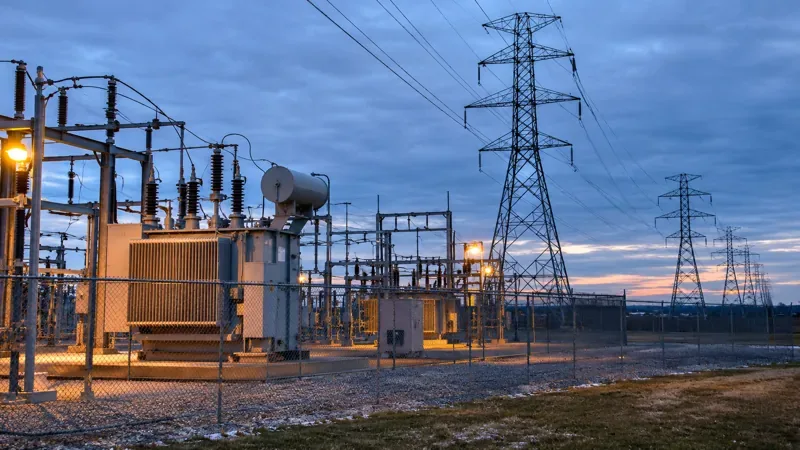
There is no verified announcement that the United States is about to lose power for 90 days. The “90 days” in the online warnings refers to reported planning for military installations to sustain essential operations if outside services are disrupted. That is a resilience goal for military facilities—not a forecast of a civilian grid failure, a scheduled power cutoff, or a public emergency alert.
The distinction matters: a plan for operating through a severe disruption does not establish that the disruption is expected or imminent. Federal household guidance continues to focus on practical preparation for outages lasting several days, including safe lighting, communications, food, water, and plans for medical needs.
No public warning of an imminent nationwide 90-day outage is established by the material reviewed for this article. The rumor appears to collapse two different ideas into one: reports that the Defense Department is considering long-duration self-sufficiency for military bases, and social posts claiming that the public will soon lose electricity.
Those claims are not equivalent. A military installation may plan for loss of commercial power, water, fuel, or supply lines because continuity of military operations is important during a range of contingencies. Planning for a scenario is not evidence that officials expect it to happen on a particular date. No start date, civilian outage schedule, or nationwide order is identified in the sources reviewed.
Recent reporting attributes the figure to Pentagon planning for military facilities to maintain essential functions for an extended period without relying on outside infrastructure. The exact requirements and implementation details should be treated as reported information unless and until the Department of Defense publishes the underlying directive or confirms those specifics publicly. The existence of a reported planning target does not turn it into a warning to households.
Military facilities and the public electric grid also have different needs. A base can prioritize a limited set of mission-critical operations and arrange dedicated power, water, communications, fuel, staffing, and supplies. A civilian grid serves millions of homes, businesses, hospitals, water systems, and other services across interconnected regions. A base-readiness target does not say that ordinary customers will be without service for the same period.
Ready.gov’s power-outage guidance recommends preparing for outages that can accompany severe weather and other emergencies. It advises keeping phones charged, having a communications plan, planning for medical devices and refrigerated medicines, and gathering supplies to last several days. The guidance also emphasizes specific safety measures: use generators outdoors at least 20 feet from building openings, never use a gas stove or oven to heat a home, and use battery-powered lights to reduce fire risk.
Food safety is another immediate concern. Ready.gov says a closed refrigerator keeps food cold for about four hours and a full freezer for about 48 hours. Keep refrigerator and freezer doors closed, use thermometers if available, and discard food that has been above 40°F for more than four hours. Anyone who relies on powered medical equipment or temperature-sensitive medicine should make a plan with a clinician or pharmacist before an outage occurs.
Read the official Ready.gov power outage information sheet for the full safety checklist. For an active outage, consult your electric utility, local emergency management, and official local alerts for restoration information and shelter or cooling options.
Look for a dated statement from an agency with responsibility for the claim. A real public warning should identify who issued it, what area it covers, what action residents should take, and where the original notice can be checked. A cropped video, an anonymous post, or a dramatic headline without a link to an official notice is not enough to establish that a nationwide outage is planned.
Check whether a post has turned a conditional scenario into a prediction. Phrases such as “if the grid fails” describe a contingency; they do not mean officials say the grid will fail. Also check the date and context of any quoted remarks, and look for confirmation from the agency named in the post. As of this update, the sources reviewed do not confirm a public 90-day blackout warning.
A prolonged outage would create serious challenges, but its effects would depend on the location, cause, duration, weather, and the availability of backup systems and public services. Power loss can affect communications, refrigeration, water pumps, traffic signals, fuel stations, and medical equipment. Those are reasons to prepare sensibly and follow local instructions—not evidence that a specific long-duration event is imminent.
Households can begin with manageable steps: keep essential medications and contact information accessible, charge devices when severe weather is forecast, know how to receive local alerts, and identify a place to go if heat, cold, or medical needs make staying home unsafe. Avoid risky purchases or drastic decisions based only on unsourced social media claims.
No verified public announcement of an imminent nationwide 90-day outage was found in the sources reviewed for this update.
No. It refers to reported military installation readiness planning, not a requirement or forecast for civilian households.
Ready.gov recommends gathering supplies to last several days and planning for medical, communication, food, and safety needs. Follow local emergency officials for instructions specific to an active event.
Your Week 8 guide to all nine Strictly Come Dancing routines, the partner change, BBC voting rules and the results show schedule.
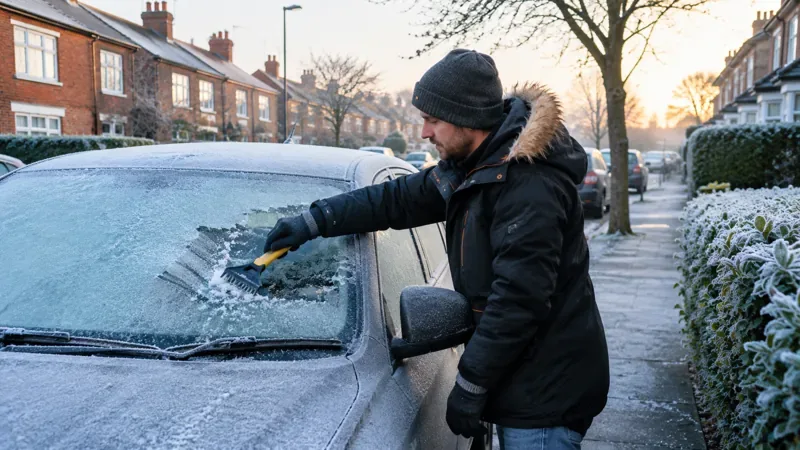
UK frost and freezing fog preparation for November 14, 2026: check travel conditions, protect your home, drive safely and follow Met Office updates.
Strictly Week 8 airs on November 14, 2026. Here is what is confirmed before the live show, including the latest elimination, Jaime Winstone’s return and the result-show schedule.
Winter Fuel Payment 2026–27: Find out when November and December payments arrive, the January 27 follow-up date, claim deadlines, and Scotland's separate schedule.
The Met Office forecasts another frosty night for central and eastern England, rain and hill snow in the north on Sunday, and no UK weather warnings through November 20.
See how the UK Winter Fuel Payment could affect your 2026–27 heating budget, including payment amounts, the £35,000 recovery threshold, and practical steps to plan.
See who qualifies for the UK Winter Fuel Payment in 2026–27, how much it pays, whether you need to claim, and how income over £35,000 affects it.
The Pentagon’s FORTRESS America plan does not announce a 90-day U.S. blackout. Here is what military, DOE, NERC and GAO reports really establish.
The Pentagon’s 90-day planning figure concerns military base resilience, not an announced nationwide blackout. Here’s what is verified and how households can prepare.
Prepare for an extended power outage with a practical backup power plan, essential supplies, generator safety, and steps to protect food, medicine, and communications.