Some fish species have special abilities such as electrocution, smelling blood or changing sex...
African Lungfish
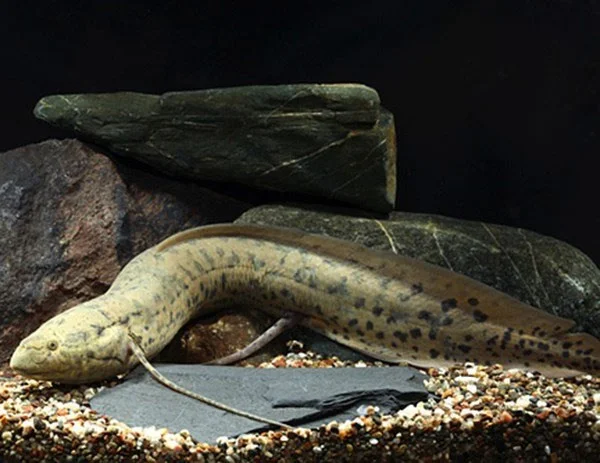
The African lungfish has a rudimentary form of lung, which allows it to take in oxygen directly from the air, allowing it to survive without water for about a year. When the dry season comes, the fish burrows deep into the mud, secreting mucus through its mouth to harden the mud, forming a cocoon around itself. Only the mouth is exposed to take in air.
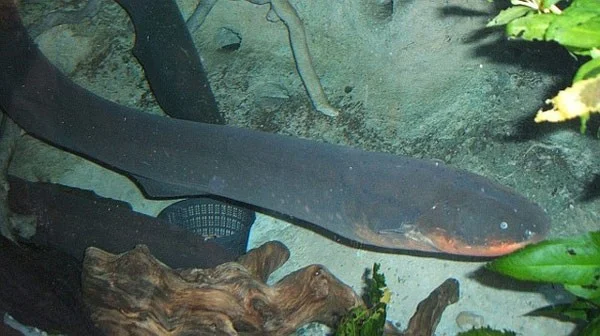
Electric eel

Electric eels (also known as electric eels) can generate 600 to 800 volts of electricity to fight off predators and hunt prey. The amount of electricity this fish releases is enough to kill a horse.
Electric eels generate 10-volt electrical currents to locate prey, then generate stronger electrical currents that stun and kill the prey.
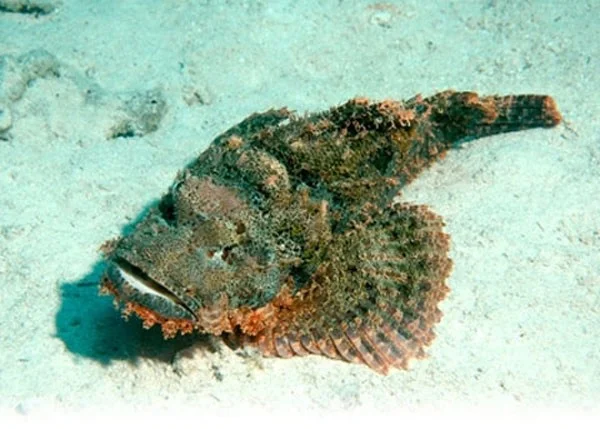
Stonefish

Stonefish (also known as stonefish) contain extremely dangerous venom, so they are known as "ocean killers". If stung by a stonefish, you may experience shock, sweating, paralysis, nausea, delirium, fever, respiratory failure and, if not treated with antivenom within a few hours, death. If you are lucky enough to survive, full recovery can take months.
Whale shark

The whale shark is the second largest fish in the world, weighing up to 25 tons. This fish has up to 4,000 teeth that filter food. The whale shark's diet mainly consists of plankton, plants, and algae.
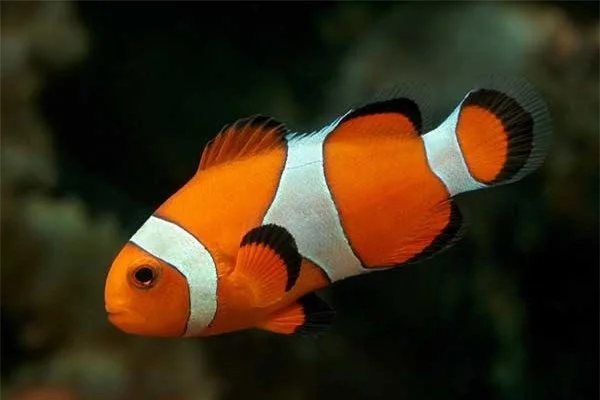
clown fish

All clownfish are born male but have both male and female reproductive organs. At some point in their lives, some clownfish will turn into females in a process called intersex.
In a school, only the two largest clownfish are the only pair in the school, responsible for reproduction. If the dominant female dies, the dominant male will change sex and become female, and the second largest male will quickly develop into an adult male to mate with the new female.
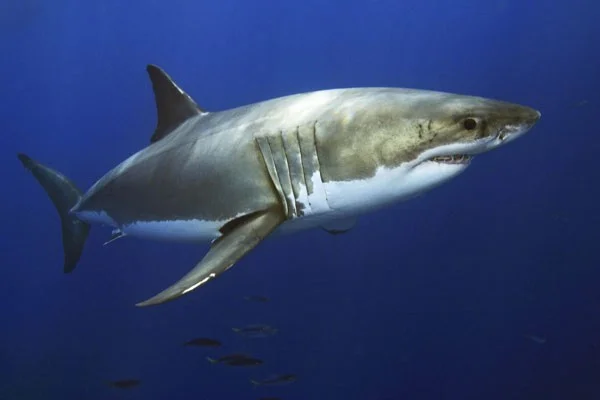
Great White Shark

The great white shark's nostrils are located under its snout, but are not used for breathing, only for smelling. The great white shark's nose is capable of detecting small amounts of different compounds in the water. They can identify a small drop of blood in a bucket of nearly 100 and detect blood from about 5km away.
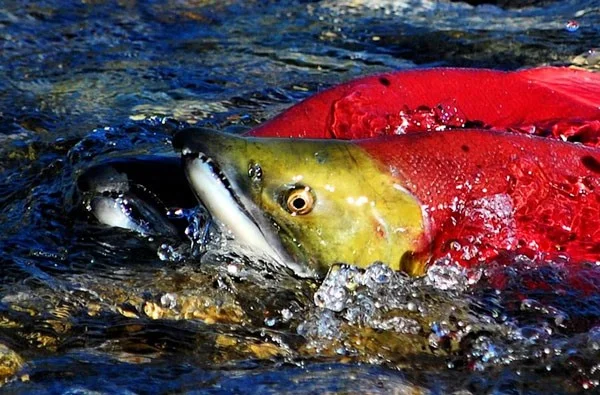
Sockeye Salmon

Sockeye salmon are born in freshwater, migrate to the ocean, and then swim upstream to spawn. They travel thousands of kilometers upstream to return to their birthplace, using small variations in the Earth's magnetic field to navigate.
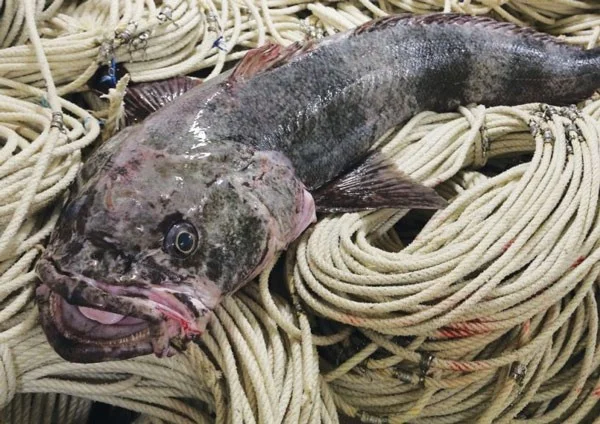
Toothfish

Antarctic toothfish can swim through icy polar regions (which can drop below -2º C) thanks to their ability to produce unique antifreeze glycoproteins, which prevent their blood from clotting.
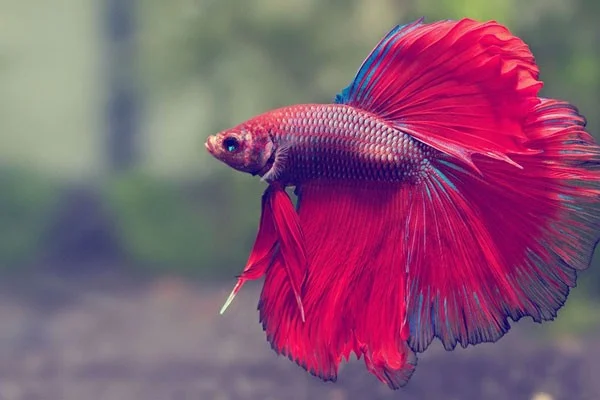
Fighting fish or Siamese fighting fish

This is one of the popular fish in Thailand with diverse colors and beautiful round fins. This fish has a very unique ability to change color according to its living environment, even when its mood is not good. They are very intelligent, can be taught to swim according to fingers or push balls into the gold.
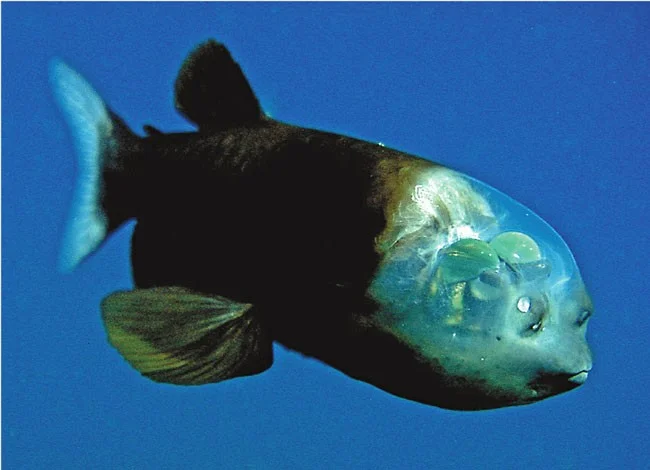
Barreleye fish

The barreleye fish (Macropinna Microstoma) is a strange fish that lives in the deep seas of temperate and tropical regions of the Atlantic, Pacific, and Indian Oceans. It has extremely light-sensitive, green-pigmented, tubular eyes located inside its head and protected by a transparent, fluid-filled shield.
These eyes can also rotate, allowing the barreleye to look straight ahead or look up to observe things above its head.