Desk Decorating Ideas for a Spooky Office Cubicle

Create a spooky office cubicle with Halloween desk decor ideas that keep your workspace usable, tidy, and mindful of workplace safety.
How dangerous are animals that are harmful to humans? This article will summarize and let you know the harmful effects of these animals in life .
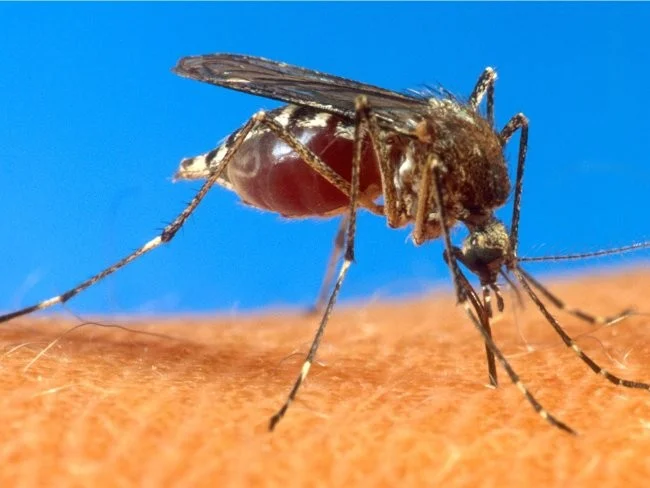 Some species of mosquitoes can transmit malaria, a deadly disease. Photo source: AP
What would you say is the most dangerous animal in the world? Shark? Tiger? Crocodile?
While these apex predators are fearsome killers, the world's most dangerous animal, year after year, is actually a much smaller species - the mosquito.
Here are some of the most dangerous animals in the world.
15. Sharks: 6 deaths per year
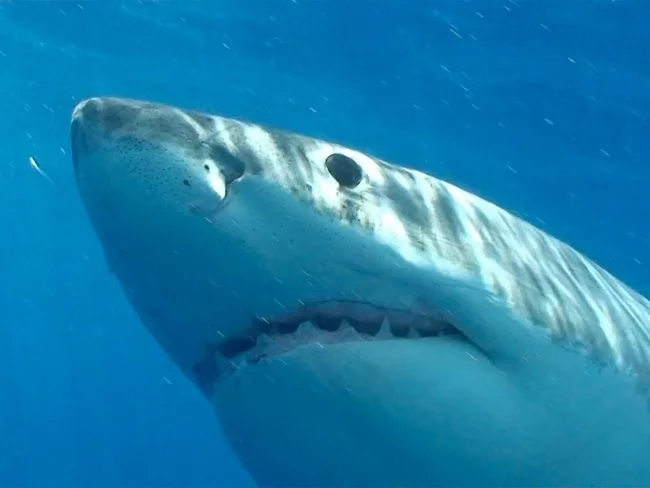 Photo credit: Jose María Melero Tejedor / YouTube
Shark attacks on humans are quite rare. In 2014, there were only about 3 deaths due to shark attacks worldwide, and in 2015, that number increased to 6.
14. Wolves: 10 deaths per year
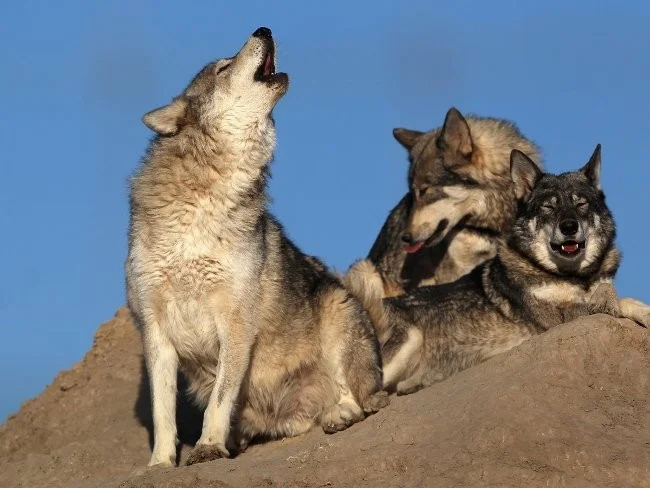 Photo credit: John Moore / Getty Images
Wolf attacks are rare in areas where wolves live. Statistics show that: " In the 50 years up to 2002, there were very few cases of wolf attacks in Europe and North America. Although in some parts of India there were several hundred reports of wolf attacks in the past 20 years, the average number was 10 cases per year . "
13. Lions: over 22 deaths per year
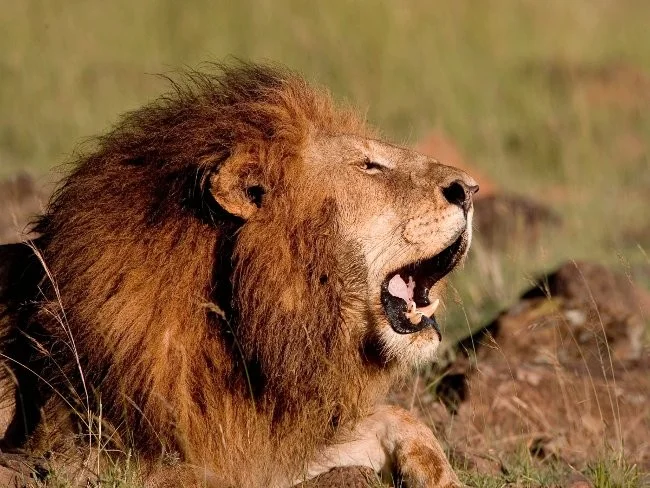 A lion roars in Masai Mara National Park, Kenya. Photo credit: AP / Vadim Ghirda
Estimates of lion-related deaths vary widely from year to year. A 2005 study found: " Since 1990, lions have attacked 563 people in Tanzania alone, an average of about 22 per year. There are also other deaths outside Tanzania, so it is difficult to determine an accurate worldwide figure ."
12. Elephants: 500 deaths per year
 A family of elephants walks in Amboseli National Park southeast of Kenya's capital Nairobi Photo source: Thomson Reuters
Elephants are also responsible for many deaths each year. According to a 2005 article in National Geographic: " Each year, more than 500 people are killed by elephants. But many more are killed by humans ."
11. Hippos: 500 deaths per year
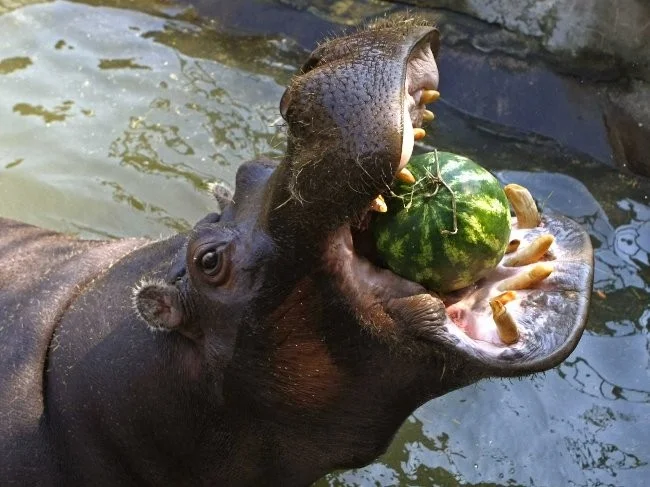 A hippopotamus eats a watermelon at the Belgrade Zoo, August 24, 2012. Photo credit: REUTERS / Ivan Milutinovic
For a long time, hippos were considered the most dangerous animals in Africa. Hippos are known for their brutal actions towards humans, such as capsizing boats.
9. Tapeworm: 700 deaths per year
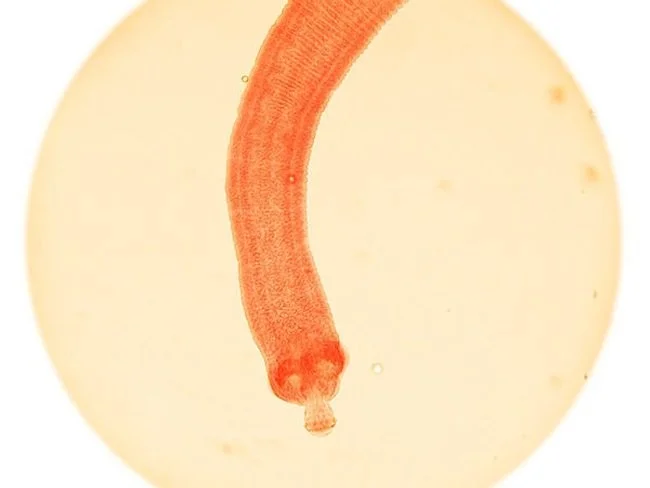 Photo credit: Tomas De la Rosa / Wikimedia Commons
Tapeworms are parasitic plants that commonly infect humans with a disease called cysticerosis - which can be responsible for about 700 deaths each year.
10. Crocodiles: 1,000 deaths per year
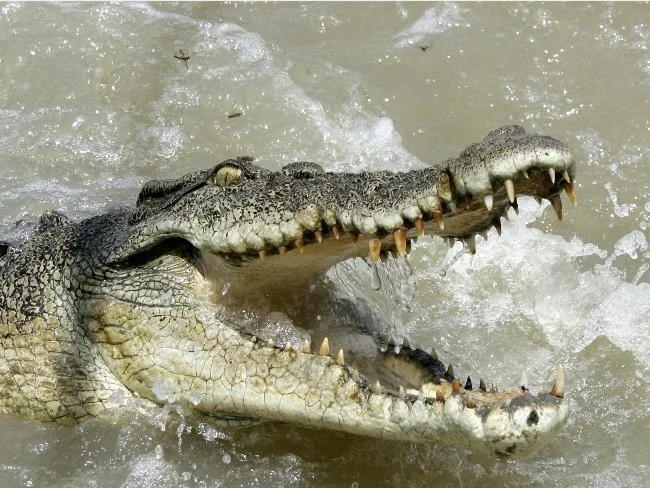 A saltwater crocodile prepares to attack a passing boat. Photo credit: Rob Griffith / AP
Crocodiles do not necessarily hunt humans, but they are opportunistic killers. In Africa alone, there are hundreds of crocodile attacks on humans each year, of which between a third and a half are fatal, depending on the species. Many occur in small communities and go unreported.
Worldwide, crocodiles are estimated to kill about 1,000 people each year, far more than sharks.
American alligators, which are found in the wild only in the United States and China, are less aggressive than crocodiles but can still be dangerous. According to the state of Florida, 22 people have been killed by alligators since 1948.
8. Ascariasis: 4,500 deaths per year
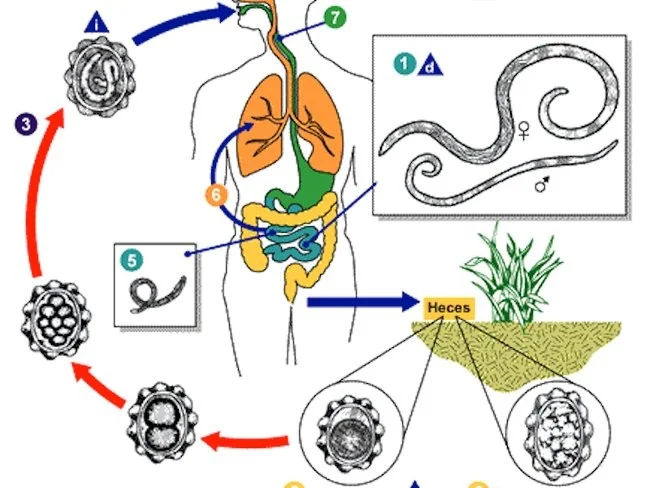 Photo source: CDC
Ascariasis is a parasitic worm that lives in the small intestine of humans, especially children. According to the World Health Organization (WHO) , about a quarter of the world's population is infected with Ascariasis, which causes abdominal pain and sometimes intestinal and bile duct obstruction. A 2013 study found that " Each year, approximately 4,500 deaths are caused by Ascariasis infections ."
7. Tsetse Fly: 10,000 deaths per year
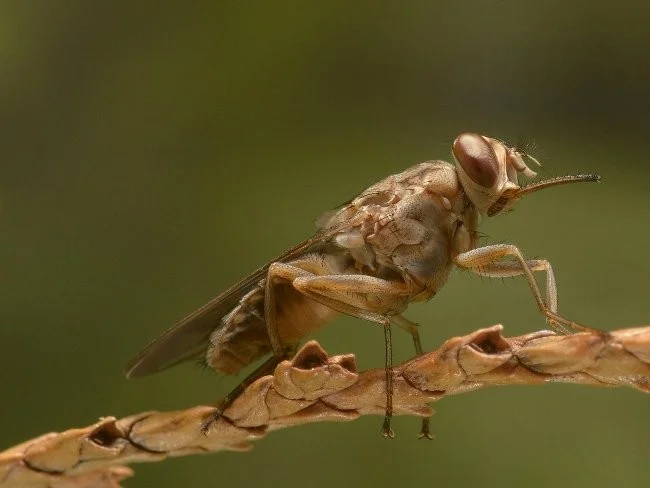 Photo source: Wikimedia Commons
The tsetse fly is a tropical African fly that carries and transmits a disease called sleeping sickness when it bites humans and animals. A parasitic infection, the initial symptoms are headaches, fever, joint pain, and itching, but can later cause some relatively serious neurological symptoms. According to current reports, the number of deaths from this disease is decreasing. There are about 10,000 new cases reported each year, and the number of annual deaths is estimated to be decreasing.
6. Assassin bugs: 12,000 deaths per year
Photo source: Wikimedia Commons
The assassin bugs , also known as kissing bugs , carry Chagas disease, which may kill about 12,000 people each year. Chagas disease is a tropical parasitic disease spread primarily by insects called kissing bugs. Symptoms vary depending on the stage of the disease.
5. Freshwater snails: 20,000 deaths per year
 Photo source: Flickr / anemoneprojectors
Freshwater snails carry parasitic worms that infect humans, called schistosomiasis . This disease is transmitted through contaminated water sources because many schistosomiasis larvae swim freely in the water and penetrate the skin into the human body to cause disease. Schistosomiasis causes severe abdominal pain, damage to the urinary tract and blood in the urine, and more seriously, it can cause bladder cancer. According to the World Health Organization, millions of people worldwide have contracted this disease, and about 20,000 out of 200,000 people with the disease may die from schistosomiasis.
4. Dogs: 35,000 deaths per year
 Photo source: Shutterstock
Dogs – especially dogs infected with the rabies virus – are among the most dangerous animals in the world, although rabies is preventable with the use of vaccines. According to the World Health Organization – WHO, there are about 35,000 deaths due to rabies, and about 99% of those cases are caused by dogs.
3. Snakes: 100,000 deaths per year
 Photo source: Nasser Nuri / Reuters
In 2015 alone, snake bites killed more than 100,000 people worldwide. Worse still, we still have a huge shortage of antivenom.
2. Humans: 437,000 deaths per year
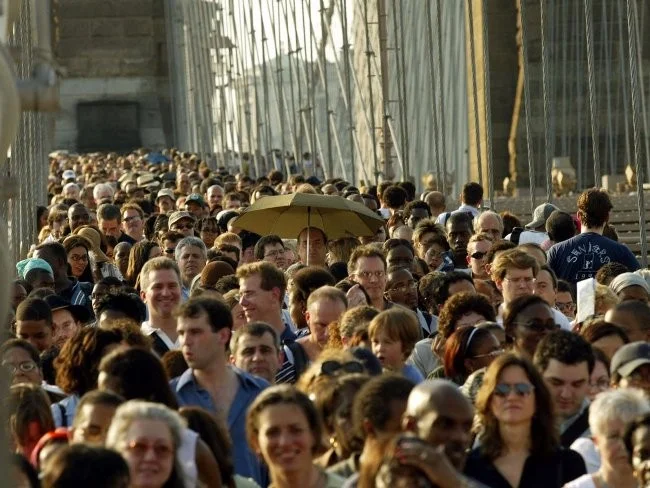 Photo source: Reuters / Shannon Stapleton
According to UNODC ( United Nations Office on Drugs and Crime ), in 2012 there were approximately 437,000 intentional homicides - making humans the second most dangerous " animal " in the world ( and the most dangerous of all mammals ). We ourselves are not our worst enemies - but those around us.
1. Mosquitoes: 750,000 deaths per year
Photo source: Thomson Reuters
Mosquitoes – annoying insects that suck blood and transmit viruses from person to person – are the most dangerous animals in the world.
According to the World Health Organization (WHO), more than half of all malaria deaths are caused by mosquitoes, mainly in sub-Saharan Africa, although that number has been decreasing. Malaria incidence fell by 37% between 2000 and 2015.
Dengue fever is also a mosquito-borne disease - a leading cause of hospitalization and death among children in Asia and Latin America.
Create a spooky office cubicle with Halloween desk decor ideas that keep your workspace usable, tidy, and mindful of workplace safety.
Plan a recognizable Halloween 2026 look with pop culture costumes inspired by Spider-Man, Supergirl, Toy Story 5, Moana, Mario, and Wednesday.
Sort leftover Halloween candy safely, share or repurpose sealed treats, and choose food use or compost for pumpkins based on their condition.
Compare workplace Halloween costume choices by respect, dress code, mobility, and safety—and learn when a subtle accessory or a policy check is the better option.
Find a couples costume that fits your style, budget, and comfort level, from Addams Family classics to original inside-joke duos.
Need a last-minute high school Halloween costume? Compare 10 easy closet-based ideas by prep time, comfort, school-day practicality, and simple safety checks.
Use a simple 2026 Halloween decorating timeline for indoor décor, outdoor displays, and fresh pumpkins, with practical adjustments for weather and events.
Mix five vivid, approachable Halloween cocktails with measured recipes, simple prep tips, and an alcohol-free option for your party guests.
Find 15 office-friendly Halloween costume ideas for 2026, with practical checks for dress codes, respectful themes, comfort, and workplace safety.
Plan a fun elementary school Halloween party with easy crafts, games, inclusive treats, costume tips, and a sample 75-minute classroom schedule.