Home
» Today
»
TV Licence UK: Who Needs One and When You May Not
TV Licence UK: Who Needs One and When You May Not
TV Licence UK: Who Needs One and When You May Not
In the UK, you generally need a TV Licence if you watch or record a program as it is being broadcast on any TV channel or service, or if you watch or download BBC programs on BBC iPlayer. The rule follows the viewing activity, so using a phone, laptop, tablet, or game console can count just as using a television. This practical guide reflects the official guidance checked on October 26, 2026; confirm your exact household or accommodation situation with TV Licensing if it falls outside the examples below.
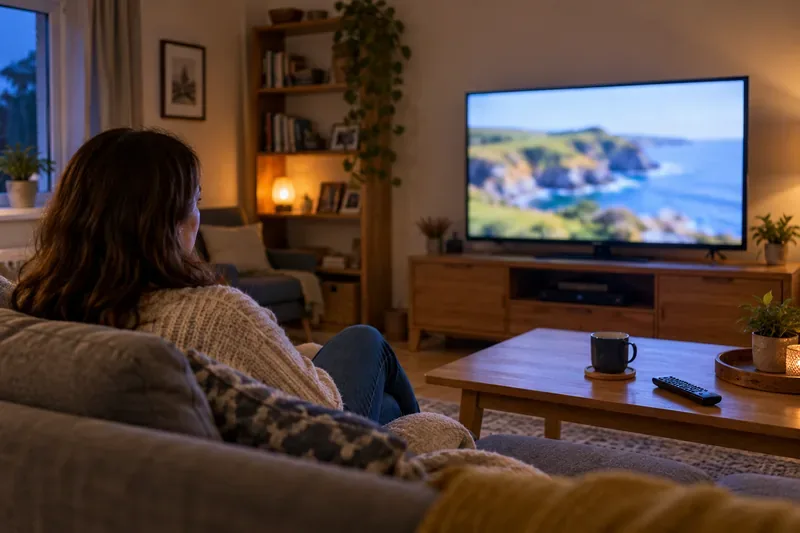
A viewer watches a television at home while the remote rests on the coffee table.
Quick check: do you need a license?
What you watch or do
TV Licence needed?
Watch or record a live program on any TV channel or service
Yes
Watch a live TV channel through a streaming service, pay-TV package, or website
Yes
Watch or download BBC programs on BBC iPlayer, including catch-up or on-demand programs
Yes, with an exception for S4C programs on demand
Watch only on-demand programs on services other than BBC iPlayer
No
Watch DVDs, video clips on demand, or play games without covered TV viewing
No
The GOV.UK TV Licence guidance summarizes the rule as watching or recording live TV on any channel or service, plus using BBC iPlayer. TV Licensing explains that “live” is broader than sports or breaking news: it includes programs shown on a channel at the same time for viewers, such as dramas, documentaries, movies, and repeats. Recording a broadcast to watch later, watching it on a delay, or selecting a +1, +2, or Red Button channel still requires coverage.
What counts as live TV online?
The name of the app does not settle the question. Many services combine live channels with on-demand libraries. If you use the live channel or watch a program as it is being broadcast through a TV service, you need to be covered. This applies to paid services as well as free channels, and to live television from outside the UK. Paying for Sky, Virgin Media, or another package does not replace the TV Licence requirement.
By contrast, a household that only watches on-demand programs on services such as Netflix, Disney+, Channel 4’s on-demand library, or Amazon Prime Video does not need a TV Licence for that viewing, provided no one in the household watches live TV or uses BBC iPlayer. On YouTube, ordinary user videos, clips, and independent live streams are treated differently from a TV program or channel being broadcast live: watching a live TV program such as a channel’s news feed requires coverage. Check what is playing, rather than relying only on the service name.
BBC iPlayer is a separate rule. A license is required for BBC programs viewed or downloaded there live, on catch-up, or on demand, regardless of device. TV Licensing identifies a specific exception for S4C programs watched on demand. If you use several apps, make a short list of whether each is used for live channels, BBC iPlayer, or on-demand-only viewing.
Does the device or address matter?
Phones, laptops, and other screens
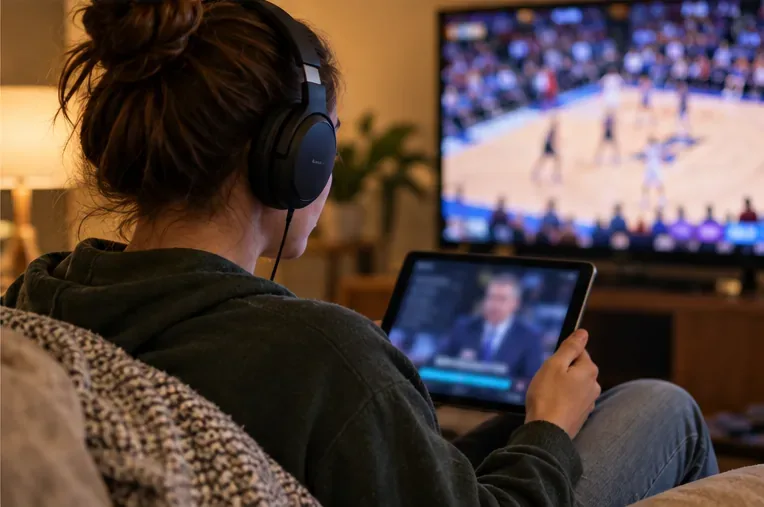
You do not have to own a television set to need a license. The same content rules apply on a computer, tablet, phone, smart TV, set-top box, or games console. Conversely, simply owning a television does not by itself establish that a license is required. If the only use is gaming, DVDs, or on-demand services other than BBC iPlayer, the official guidance says a license is not needed for that use.
Shared homes and rented rooms
Most households need one license for the address, but shared accommodation depends on the tenancy and whether a room is a separate, self-contained unit. With a joint tenancy, one license will usually cover the shared home. If each tenant has a separate agreement and watches covered programs in a private room, each tenant may need a license for that room; it can also cover shared areas. A separate flat or annex normally needs its own coverage. Check the tenancy agreement because it may assign responsibility to the landlord, and contact TV Licensing if the property has unusual boundaries or facilities.
Students and second homes
A student watching live TV or BBC iPlayer in a university room needs that room to be covered; a license may already cover a shared lounge or other common area. A license at the student’s family home can cover use at the term-time address in a limited case: the device must be powered solely by its own internal battery, not plugged into the mains, and not connected to an aerial. The same battery-only exception can apply when using a device away from a main home. For live TV or BBC iPlayer on a plugged-in TV at a second home, arrange separate coverage for that address.
Free and reduced-fee licenses
Some people still need a license for covered viewing but may qualify for a concession. A free license is available when the license holder is at least 75 and they, or a partner who lives at the same address, receive Pension Credit. TV Licensing says an application can be made at age 74 and adjusted when the holder turns 75.
A person who is blind or severely sight impaired can apply for a 50% concession with the required evidence; partial sight alone does not meet this concession’s stated criteria. A person living in eligible residential care, supported housing, or sheltered accommodation may qualify for a reduced-fee license. The accommodation and resident must meet the scheme requirements, so ask the care or housing manager which arrangement applies. These are discounts or free coverage for eligible viewers, rather than a general exemption based only on age, disability, or being a student.
A practical decision checklist
List every person and device in the household, including phones and laptops.
Mark any live TV channel, broadcast being recorded, delayed live program, or BBC iPlayer viewing.
Check whether another valid license already covers the address, room, or shared accommodation.
Review the tenancy type, second-home use, or student battery-device exception if relevant.
If no one watches covered content, use TV Licensing’s No Licence Needed declaration and revisit the decision if viewing habits change.
Cost and consequences
As checked on October 26, 2026, GOV.UK lists the standard color TV Licence at £180 and a black-and-white license at £60.50. Check the current fee before paying, since the amount can change. GOV.UK also says someone who watches or records live TV without a license can be fined up to £1,000. That maximum relates to the covered activity; owning a screen or receiving a reminder letter does not, on its own, determine whether you need a license.
For a straightforward case, use the table above, then read the official guidance for the address or concession that applies. The TV Licensing decision guide has separate pages for online viewing, students, tenants, second homes, and concessions. If the facts are unusual, get an answer for your specific arrangement before relying on a general example.