Home
» Today
»
UK Budget and Pensioners: What the Personal Allowance and State Pension Questions Mean
UK Budget and Pensioners: What the Personal Allowance and State Pension Questions Mean
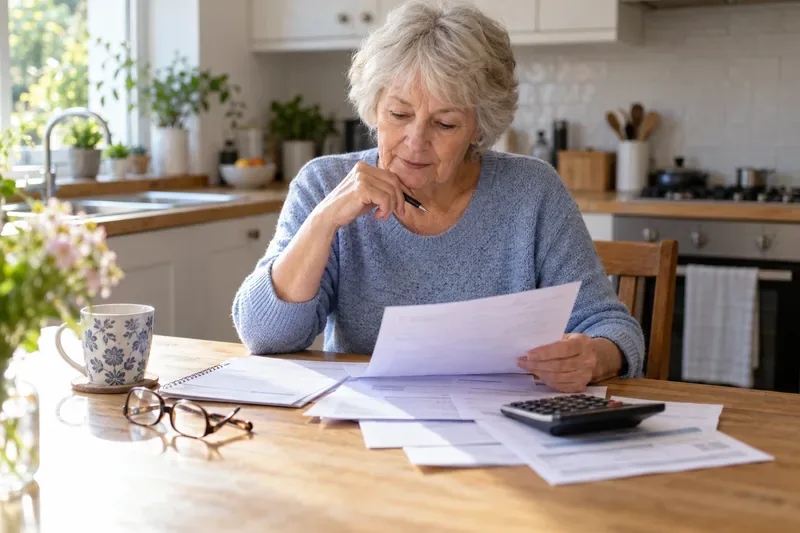
An older woman reviews household and pension papers at a kitchen table, with a calculator and reading glasses nearby.
With the UK Budget scheduled for Wednesday, October 28, 2026, pensioners are asking whether a State Pension increase could push them into Income Tax, whether the Personal Allowance will change, and what happens if they also have a workplace pension or savings. The key is to separate current tax rules from Budget announcements and forecasts. This reference reflects official information available on October 26, before the scheduled Budget; it does not assume what the Chancellor will announce.
Quick reference for the 2026/27 tax year
Question
Current reference point
When is the 2026/27 tax year?
April 6, 2026, through April 5, 2027
Standard Personal Allowance
£12,570 for the tax year
Full new State Pension headline rate
£241.30 a week in 2026/27
Simple 52-week annualized amount
£12,547.60, or £22.40 below the standard allowance
Upcoming Budget
Wednesday, October 28, 2026; details are not confirmed until published
The tax-year dates and Personal Allowance are listed on the official Income Tax rates and Personal Allowances page. The Department for Work and Pensions’ 2026/27 benefit and pension rates list the full new State Pension at £241.30 a week. The annualized comparison is a quick reference, not a substitute for the taxable State Pension amount HMRC uses for an individual: HMRC calculates that from the weeks of entitlement in the tax year and the rate changes that apply. Check the figure on your State Pension letter and read HMRC’s State Pension tax guidance.
Why the State Pension and Personal Allowance get discussed together
The Personal Allowance is the amount of income most people can receive before they pay Income Tax. The State Pension is taxable income, even though tax is not deducted before it reaches your bank account. HMRC adds the taxable State Pension amount to other taxable income, then applies the allowances and rates relevant to your circumstances.
For a person receiving the full new State Pension, the 2026/27 weekly headline rate annualizes to £12,547.60. That is close to the £12,570 standard Personal Allowance. If the State Pension is your only income, the published full rate remains just below that standard threshold for this tax year. If you receive less than the full rate, your State Pension amount may be lower; it depends on your National Insurance record and other entitlements.
The small gap matters when another income source is involved. A workplace or personal pension, wages from part-time work, rental income, or taxable savings and investment income may change the calculation. Different kinds of income can have separate allowances and rules, so do not assume every pound is taxed in the same way. The general test is your total taxable income after the allowances that apply, not the State Pension in isolation.
Three common situations
State Pension only: Compare the taxable amount for the year with your Personal Allowance. The headline weekly rate is a useful orientation, but use the annual entitlement figure HMRC uses.
State Pension plus a workplace or private pension: Add the taxable pension income together. HMRC will usually adjust a tax code so tax can be collected from the other pension or from wages.
State Pension plus work, rent, or savings: Check the treatment of each income type. You may need a Self Assessment return, especially for self-employment or rental income.
What is already announced—and what the next Budget could clarify
The standard Personal Allowance is currently £12,570. At Budget 2025, the government announced that it would keep this amount at £12,570 through the 2030/31 tax year. That is a previously announced policy, not a new decision from the October 2026 Budget. A frozen cash threshold can mean more income becomes taxable as other income rises, even when a person’s real purchasing power has not increased by the same amount. This is often called fiscal drag.
State Pension increases follow a separate policy. The government says the basic and new State Pension rose by 4.8% from April 2026 under the Triple Lock. A rising pension alongside a frozen Personal Allowance explains why the gap has narrowed. The rules do not automatically move together: an increase to one does not itself raise the other.
Budget 2025 also said the government would ease the administrative burden for pensioners whose only income is the basic or full new State Pension without increments. If the pension exceeds the Personal Allowance from 2027/28, the stated aim is that these pensioners would not have to pay small amounts through Simple Assessment. In a June 2026 parliamentary answer, the government said more details would follow. This is a specific commitment about people relying only on the State Pension; it is not a general increase in everyone’s Personal Allowance or a blanket rule for someone with additional taxable income. See the Budget 2025 document and the June 2026 parliamentary answer for the stated policy and its limits.
The Chancellor confirmed the next Budget date as October 28, 2026. Until the Budget documents and any tax legislation are published, claims about a new allowance, a changed tax code, or a new exemption should be treated as speculation. Check the effective date too: a measure announced in a Budget may apply immediately, from the next tax year, or only after legislation.
How to check your own position
Write down the tax year you are checking: 2026/27 runs from April 6, 2026, to April 5, 2027.
Find your DWP State Pension entitlement for that year. Do not rely only on a recent bank deposit, because payment dates and weekly entitlement are different things.
List other taxable income for the same period, including employment and other pension income. Keep savings, dividends, and property income separate until you apply their specific allowances and rules.
Check your HMRC Personal Tax Account or tax code to see how much allowance HMRC has assigned to each payer. The State Pension is normally paid without tax taken off; tax may be collected through another pension or job.
After the Budget, compare the official announcement with your tax year and income sources. Wait for HMRC guidance before changing a tax code or estimating that a new rule covers you.
Use the government’s pension tax checker for an estimate and HMRC’s guide to how pension tax is collected to understand tax codes and Simple Assessment. If you have another income source, the final answer can differ from a State Pension-only calculation. Income Tax bands for Scottish taxpayers are also different from those in England, Wales, and Northern Ireland.
Finally, Income Tax and Pension Credit answer different questions. A Personal Allowance tells you how much taxable income is outside Income Tax; it does not determine whether you qualify for an income-related benefit. If your household income is low, check the official Pension Credit guidance for England, Scotland, and Wales separately; Northern Ireland has separate guidance through nidirect. The practical check is to confirm your State Pension entitlement, add other taxable income, review the tax code or assessment, and then revisit the calculation when the October 28 Budget publishes any confirmed changes.