Home
» Today
»
Visa Cyberattack Warnings: What Bank Payment Systems Face | November 20, 2026
Visa Cyberattack Warnings: What Bank Payment Systems Face | November 20, 2026
Verified November 20, 2026, 5:08 AM London, GMT (UTC+00:00); November 20, 2026, 05:08 UTC
Visa cyberattack warnings have drawn attention to the vulnerabilities of bank payment infrastructure following reports of a breach at a third-party provider in Asia-Pacific. The distinction is important: Visa said its own systems were not affected, and payment information such as card numbers was not compromised in that incident. That is not evidence of a Visa-wide processing outage or a shutdown of UK card payments. Reports involving JPMorgan Chase and Mastercard likewise centered on information held by suppliers, rather than confirmed intrusions into their core payment networks.
The more useful question for banks, merchants, and cardholders is where an attack can interrupt the chain connecting a checkout terminal to a bank. A breach of marketing records can increase phishing risk without stopping transactions; a successful attack on a processor or authorization connection could have a more direct effect. Those are different scenarios, and the current disclosures should not be conflated.
Destaques
Visa linked the November 2026 claims to a third-party service-provider incident in Asia-Pacific and said Visa systems and card-payment data were unaffected.
A separate banking-service interruption reported by JPMorgan Chase was attributed to a software bug, not the vendor cyberattack.
Payment disruptions depend on the affected component: authorization, clearing, settlement, or a bank's own customer-facing services.
Visa's November 17 threat report found third-party-agent incidents rose 62% in its January–June 2026 observation period versus the preceding six months.
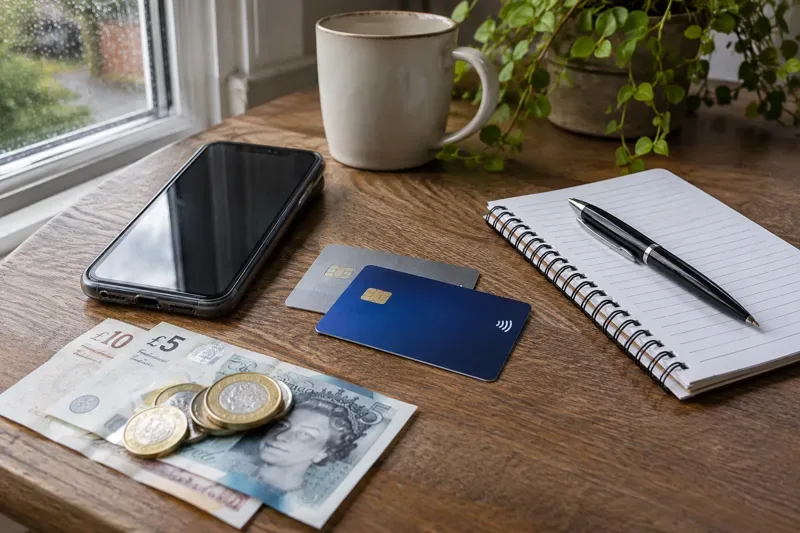
Illustrative image of payment security monitoring; it does not show the reported incident or any affected company’s operations.
What is confirmed about the Visa cyberattack reports?
On November 19, reporting based on statements from the companies described cyber incidents involving outside service providers. Visa said the claims concerned a provider in Asia-Pacific; its systems were not involved and payment-card information was not affected. Mastercard said limited nonpayment email information associated with a small benefit-program group was exposed through a provider, without an effect on its network or people's ability to use their cards. JPMorgan Chase said attackers may have obtained certain vendor-held marketing data, potentially including customer names and email addresses, and that it would contact affected customers.
A group calling itself n0n claimed possession of data connected to the companies. The authenticity and full scope of material it publicized were not independently established in the reporting reviewed. The companies did not establish a common cause for all the incidents. Crucially, JPMorgan also said a separate earlier disruption to some banking services was caused by a software issue, not this cyberattack. Readers should not treat a claimed data leak, a confirmed vendor incident, and an unrelated service outage as one event.
How does a Visa payment move through banks and processors?
A standard card purchase involves the cardholder, merchant, card issuer and merchant's acquiring bank. As Visa explains in its UK payment materials, the merchant sends payment details through its acquiring arrangements; the card network connects the request to the cardholder's issuing bank, which assesses whether to approve or decline it. Approved transactions subsequently pass through clearing and settlement, which reconcile obligations and transfer funds among participating institutions. Visa facilitates network communication but is not the bank that issues the card or holds the cardholder's deposit account.
Authorization: what happens when a customer taps a card?
The terminal or online checkout sends a request to the merchant's payment provider and acquirer. That request travels via the relevant network to the issuing bank, which checks account status, available funds or credit and relevant risk rules. A response then returns to the merchant. If an acquirer gateway, issuer service or network connection is unavailable, the purchase could be delayed, declined, or require an approved contingency route. A declined transaction is not, by itself, proof of a cyberattack.
Clearing and settlement: can money arrive late after approval?
Authorization is not the same as funds being transferred to the retailer. Clearing exchanges and reconciles the transaction records; settlement fulfils the resulting financial obligations. A problem in these later stages may delay merchant reconciliation or funding even when a card purchase initially appeared successful. Whether the customer or retailer actually experiences a delay depends on the affected institution, its arrangements and the duration of the disruption.
Which cyberattacks could actually affect bank payment processing?
A compromised marketing or loyalty supplier may hold email addresses, phone numbers or campaign records but have no direct connection to live card authorization. In that case the principal concern can be targeted impersonation, scams or privacy exposure. By contrast, an attack on a payment gateway, acquiring processor, issuer authorization system, critical software supplier or network connectivity could disrupt transaction routing. Ransomware may take a service offline while incident teams isolate equipment, and stolen credentials could facilitate unauthorized access where controls fail.
These are possible failure paths, not confirmed consequences of the November Visa-related incident. Dependencies matter: even when a global card network remains operational, one bank, merchant, app or processor may suffer a localized failure. Conversely, customers can encounter an outage caused by routine software faults with no malicious intrusion at all.
Why are third-party providers receiving more cyber warnings?
Visa's Fall 2026 Biannual Threats Report, published November 17, covers January through June 2026. It said incidents involving third-party agents increased 62% against the preceding six months; approximately 56% of compromised payment credentials identified in that reporting period were associated with these providers. The figures describe the broader threat landscape, not the number of accounts exposed in the newly reported vendor incident and not a measured outage rate in Britain.
The concern is concentration of risk. A supplier may serve multiple merchants, issuers or financial institutions, making a single weak point attractive to attackers. Visa's published compromise guidance calls for timely notifications, containment, investigation and assessment of whether payment systems or cardholder data were exposed. Its intelligence services also aim to help banks and processors identify relevant threats before they become fraud.
What should UK cardholders and businesses do now?
For UK cardholders, there is no verified basis in the reviewed disclosures to assume that every Visa card must be replaced. Check transactions through your bank's official app, enable available transaction alerts, and report unfamiliar activity to your card issuer promptly. Treat unsolicited emails or texts about a supposed Visa breach with caution: don't follow their login links or share one-time codes. If a message claims your account is at risk, contact your bank through the number on your card or its independently accessed website.
Merchants should distinguish an authorization failure from a settlement or reporting delay. Record the time, provider error code, payment channel and scope of failures before escalating to the acquiring bank or payment-service provider. Avoid repeatedly charging a customer when a terminal has timed out without first checking whether the transaction was actually authorized. Businesses operating payment systems should review vendor access, incident-reporting paths, secure logging and recovery procedures under their applicable obligations.
What happens next for Visa and banks?
The most consequential follow-ups would be verified details about the affected provider, the information involved, any notifications to affected people and any independently confirmed processing impact. None should be assumed from an unverified criminal claim. If further investigation reveals a link to card authorization or settlement infrastructure, banks and merchants may need to reassess transaction continuity; without such evidence, the immediate consumer issue is vigilance against targeted scams rather than a presumed breakdown of Visa payments.
Was Visa's core payment network hacked in November 2026?
Visa said its own systems were not involved in the reported third-party service-provider incident and that payment information, including card numbers, was unaffected.
Can a cyberattack on a bank supplier stop card payments?
Potentially, if the compromised supplier operates an essential authorization, gateway or processing service. A breach limited to marketing information does not automatically interrupt card transactions.
Should UK customers cancel their Visa cards?
Not solely because of these reports. Follow any direct instructions from your card-issuing bank, monitor transactions and promptly report suspicious activity.