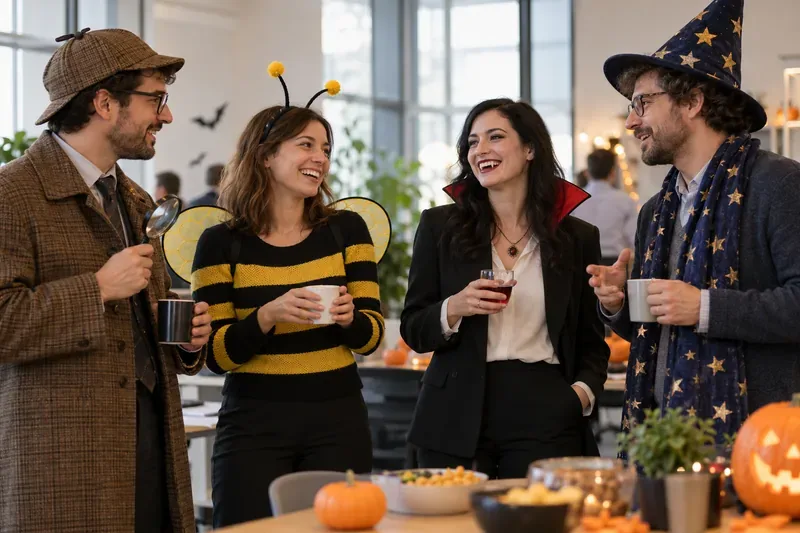
5 Halloween Cocktails That Are Easy to Serve at Your 2026 Bash

Mix five vivid, approachable Halloween cocktails with measured recipes, simple prep tips, and an alcohol-free option for your party guests.
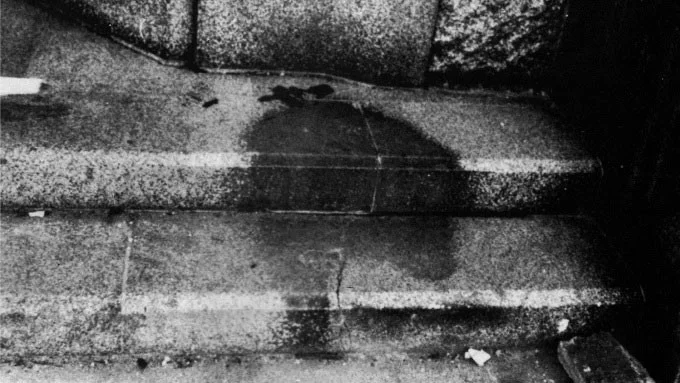
After the US dropped atomic bombs on Hiroshima and Nagasaki, two of Japan's largest cities, on August 6 and 9, 1945 respectively, dark shadows of people and objects appeared, scattered on the sidewalks and buildings there.
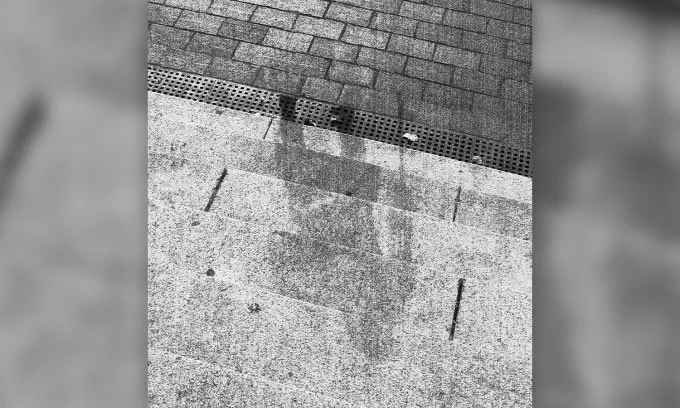
In fact, shadows may have encapsulated each person's final moments. So how did these shadows form?
According to Dr. Michael Hartshorne, an expert at the National Museum of Nuclear History and Science in New Mexico, when each bomb exploded, intense heat and light radiated from the blast site, a result of nuclear fission. People and objects absorbed the light and energy, shielding the structures behind them. The light bleached the surrounding concrete or stone into black shadows.
The tremendous energy released in an atomic bomb explosion travels in the form of photon waves of various wavelengths, including long waves such as radio waves and short waves such as X-rays and gamma rays.
Between long waves and short waves there are visible wavelengths containing energy that the human eye perceives as colors.
Meanwhile, gamma radiation can penetrate clothing and skin, causing ionization or loss of electrons, damaging tissue and DNA, and harming the human body.
The gamma radiation released by an atomic bomb is transmitted as thermal energy, which can reach temperatures of more than 5,500 degrees Celsius. When this thermal energy hits an object such as a bicycle or a person, it is absorbed, creating a shadow effect in the bleached area around it.
Due to weathering and erosion by wind and water, many of the shadows cast on the stone have disappeared. Today, some of the shadowed parts are separated and preserved in the Hiroshima Peace Memorial Museum for future generations to observe and reflect upon.
Mix five vivid, approachable Halloween cocktails with measured recipes, simple prep tips, and an alcohol-free option for your party guests.
Find 15 office-friendly Halloween costume ideas for 2026, with practical checks for dress codes, respectful themes, comfort, and workplace safety.
Plan a fun elementary school Halloween party with easy crafts, games, inclusive treats, costume tips, and a sample 75-minute classroom schedule.
Compare realistic side hustles for 2026 by startup cost, fees, flexibility, and income control, with current tax and scam guidance from official sources.
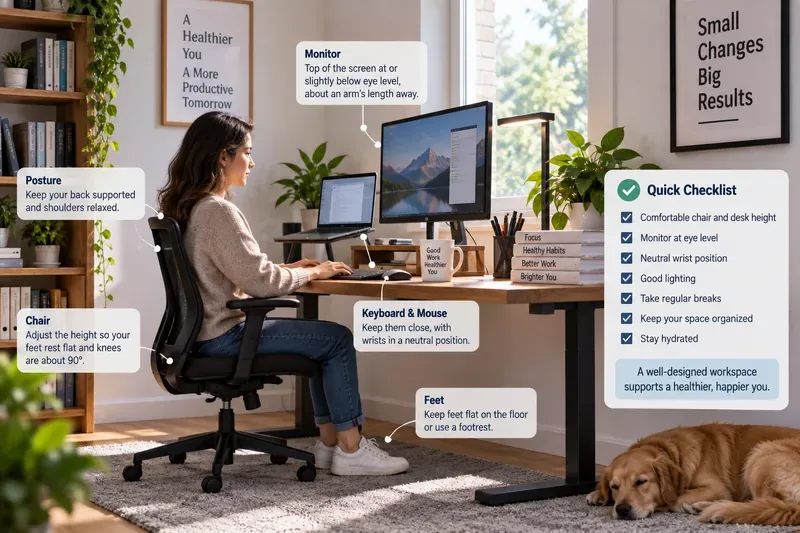
Upgrade your home office ergonomics with current OSHA and NIOSH guidance on chair fit, monitor height, laptop setup, lighting, and movement.
Learn why emotional intelligence matters in leadership, where it helps most, how to strengthen it, and how to tell whether your approach is working.
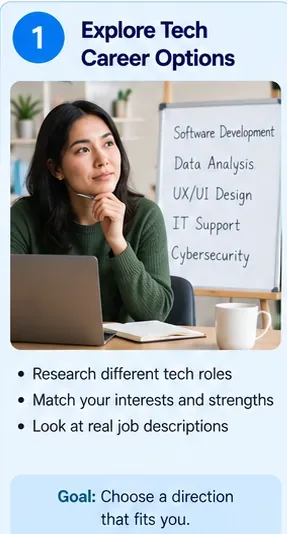
A practical roadmap for moving into tech without a degree: choose an accessible role, build job-ready skills, prove them with projects, and use hiring feedback to improve.
Build a credible LinkedIn personal brand in 2026 with current profile, content, newsletter, analytics, verification, and visibility guidance from LinkedIn.
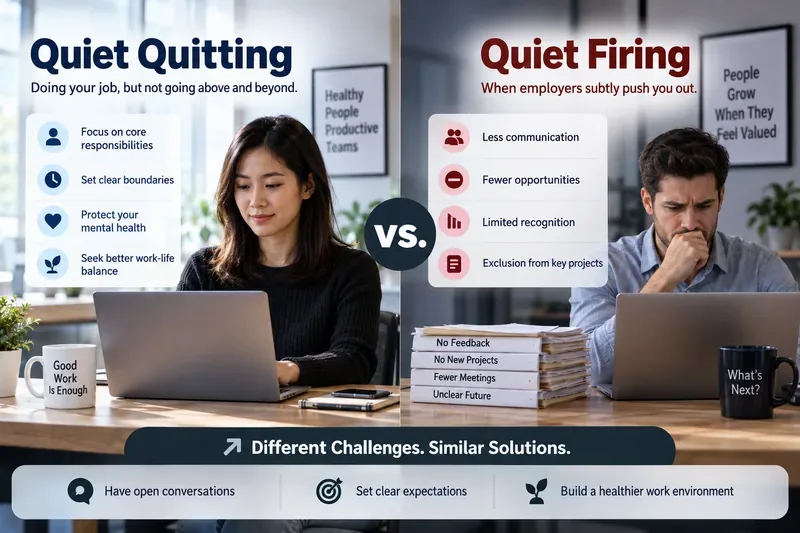
Quiet quitting and quiet firing are catchy labels, not diagnoses. Learn what is verified, what depends on context, and what employees and managers can do next.
Fractional executives offer senior leadership without a full-time hire. Learn when the model works, what to ask, and the risks to manage.