Speed Up Writer by Hiding and Compressing Document Images
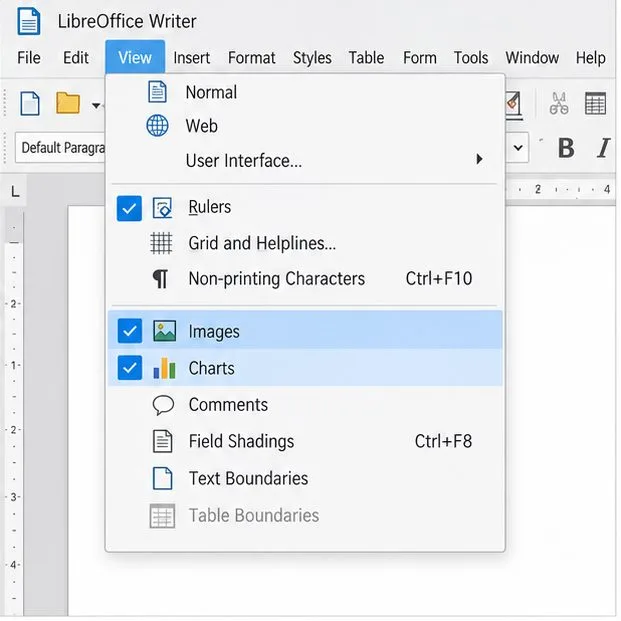
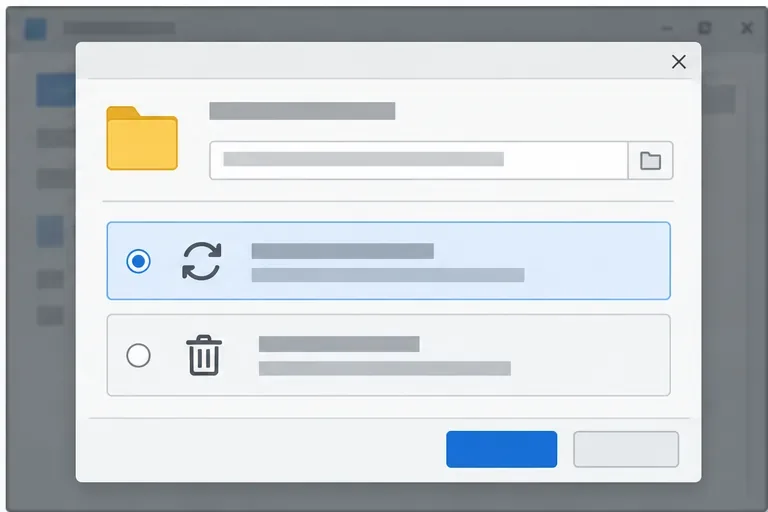
Make image-heavy Writer files easier to edit: test a reversible display setting, compress oversized pictures in a copy, and verify the saved layout.
Quick view
2. Which types of HD TVs include?
3. How to choose a suitable TV?
HD TV (short for High Definition) means high definition television, the current standard for home televisions. If you upgrade a screen with standard definition to HD, it means that you will have a television with increased detail and clarity.
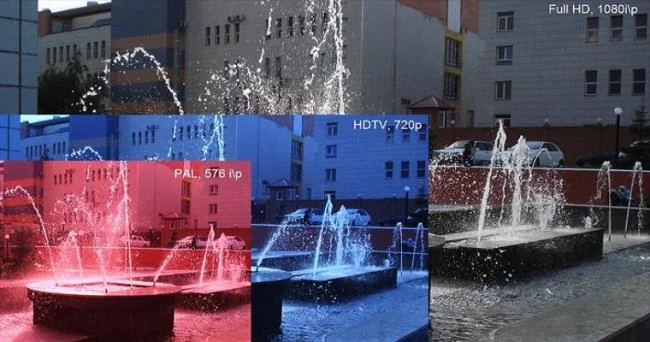
The experience quality and display capabilities on HD TVs will be higher than conventional standards such as PAL, SECAM or NTSC, which were popular in late 2000 and are now almost no longer produced.
Many of us still often confused Television HD TV with HD resolution. However, if understood correctly, an HD television is a television with high definition. It includes TVs with HD, Full HD, Ultra HD 4K or even up to 8K resolutions. In particular, the two most popular types of HD TVs today are probably TVs with HD resolution and Full HD resolution.
With standard HD resolution, there are 2 types:
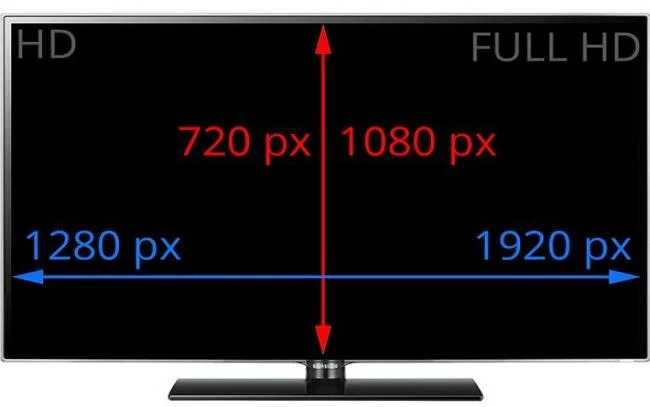
The type with 1366 horizontal pixels and 768 vertical pixels (also known as HD 1366x768 ) has 1,049,088 pixels.
The 1280 horizontal and 720 vertical pixels (also known as HD 1280x720 ) with 921,600 pixels are less common.
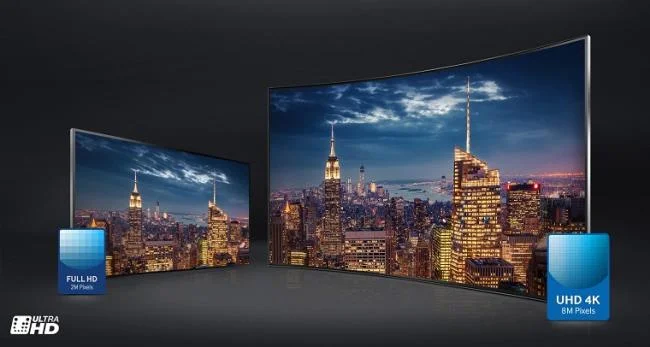
Full HD screen resolution will have 1920 horizontal pixels and 1080 vertical pixels on a TV screen, Full HD will have 2 times the definition of HD.
TV with 4K resolution provides 4 times more detail than Full HD, and 4K is currently the highest resolution widely available on the market under the name Ultra HD or Ultra HD 4K.
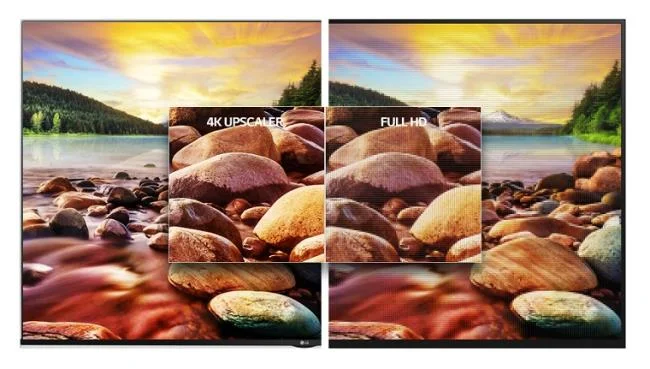
If compared to the same screen size, the higher the resolution a television has, the sharper and more detailed the display will be.
Nowadays, the picture quality displayed on television has been upgraded much more, manufacturers have launched a variety of new television lines to meet each customer's needs. Accordingly, standing in front of the product matrix also makes customers more confused and confused in choosing to buy a television.
Most TV channels broadcast content in SD quality (720x576 - almost half of HD) and a few other HD channels, so if you and your family just stop at the need to watch TV and want to save more money then choose HD TV. A small screen TV with HD resolution will be a perfectly reasonable choice.
However, if my family has a lot of needs to buy Internet TV / Smart TV to watch YouTube or watch videos from other applications, or sources of high definition movies or watch big screen TV, you should consider choosing. higher definition televisions.
For devices with large screens such as televisions, the HD resolution may not meet the entertainment needs, watching movies with better quality, TV with Full HD resolution may be chosen. On a TV with a size of 32 - 39 inches or a bit larger than 40 - 50 inches , with 2 times the sharpness of HD, Full HD will reduce the phenomenon of pitting, squares on the big screen, thereby for smoother and clearer display quality.
Only stop if those standards are enough to satisfy you. If you want to own a TV with a vivid, refreshing screen to enjoy movies with the same quality as the cinema, the TV with 4K resolution is a great choice. 4K TVs will be suitable for TVs with large screens of over 40, 50 inches or more . With 4 times the definition of Full HD, 4K TVs are capable of displaying beautiful and true to every small detail. For users to enjoy quality as seen directly to the naked eye, immersing in a more engaging world of entertainment.
See more:
How much TV viewing distance is reasonable?
How to arrange TV in the house so that it is reasonable
Above are some things to know about HD TV as well as a few advice on how to choose a suitable type of HD TV. Hopefully the above article will be useful to you in choosing to buy products for your home.
Make image-heavy Writer files easier to edit: test a reversible display setting, compress oversized pictures in a copy, and verify the saved layout.
Find out whether a slow launch comes from extensions, profile settings, or the system, then test the safest fix without losing LibreOffice data.
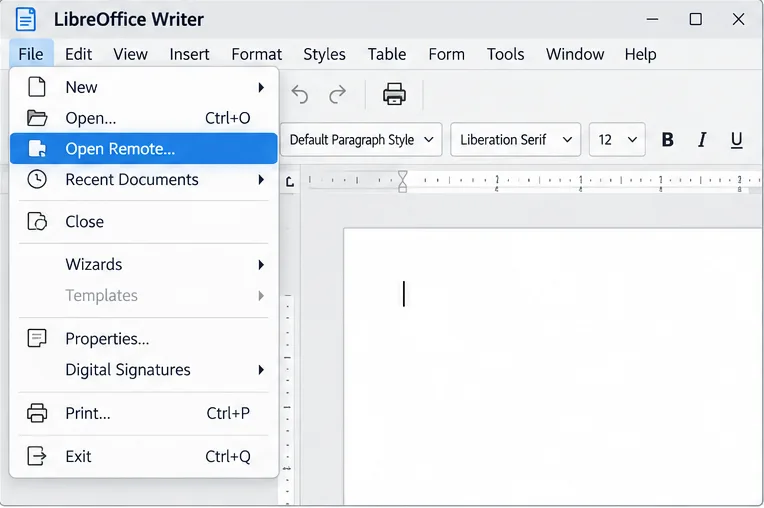
Connect LibreOffice to Nextcloud over WebDAV, save the server copy with Ctrl+S, and understand how AutoRecovery differs from cloud syncing.
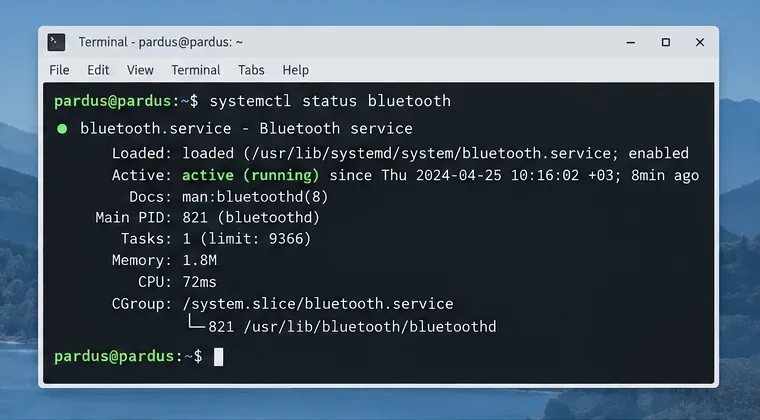
Find out whether Pardus 23 is blocking Bluetooth, missing BlueZ, or failing to detect adapter firmware, then confirm the controller works.
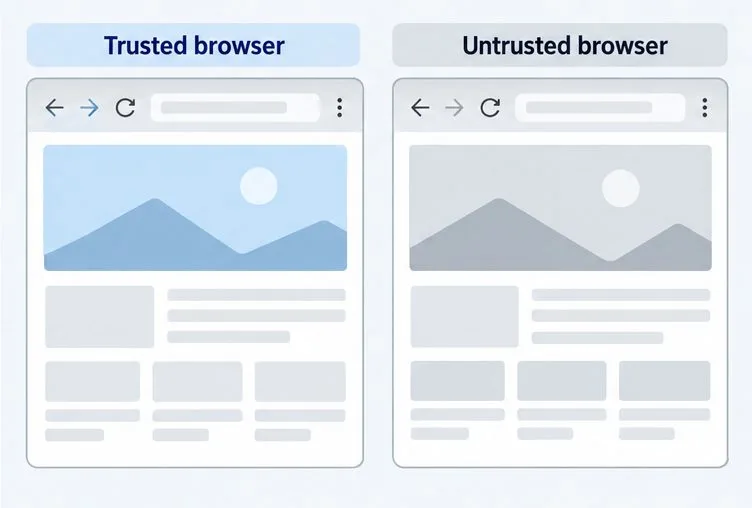
Learn how Gooroom separates trusted and untrusted browsing, what users can change, and how an administrator can safely update site policies.
Diagnose rotated, offset, or inconsistent touch input on a Harmonica OS tablet and choose a Linux calibration method that fits its session and driver.
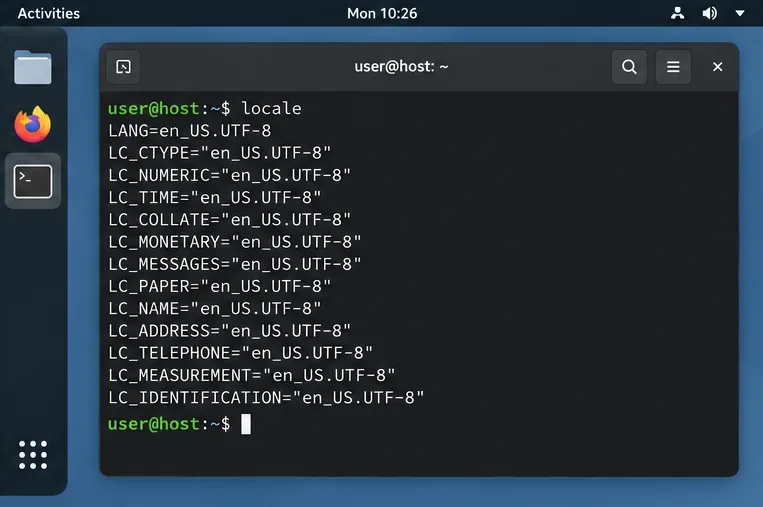
Switch Gooroom’s desktop session to English, verify the locale, and identify when untranslated Korean labels need an app update instead.
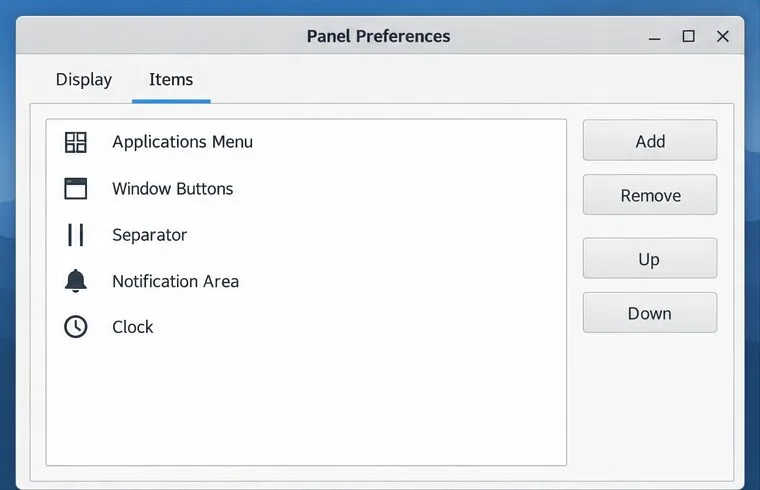
Arrange Pardus XFCE as a familiar bottom taskbar with an app menu, pinned launchers, open-window buttons, and a system tray.
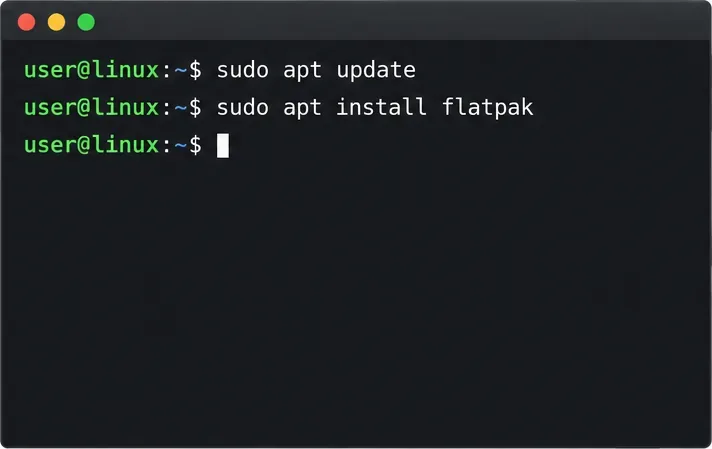
Check your Gooroom release and administrator rules, then follow the official Debian-based setup path for Flatpak or Snap without bypassing system controls.
Learn what Pardus Image Writer can do, how to prepare installation USB safely, and which tools fit custom live images or repeatable fleet deployments.