Pop Culture Costume Ideas That Will Dominate Halloween 2026

Plan a recognizable Halloween 2026 look with pop culture costumes inspired by Spider-Man, Supergirl, Toy Story 5, Moana, Mario, and Wednesday.
Mock location and VPN are often used interchangeably when discussing online privacy and security, but they are not the same. Both can change your digital location and help protect your privacy, but they do it in different ways and for different reasons.
What is a fake location?
Spoofing location is pretty much what it sounds like – tricking apps, websites, or services into thinking you're somewhere else. It's often used to fake your GPS coordinates or IP address , making it appear as if you're in another city, country, or even continent.
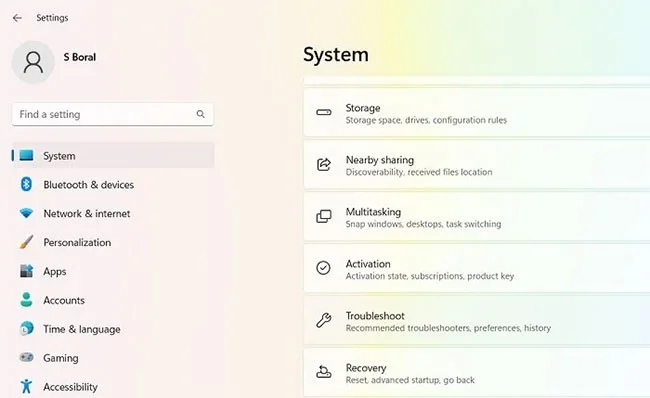
It can act as a VPN alternative for things like accessing apps or features that are only available in certain regions or playing around with location-based apps like Pokémon Go. By spoofing your location, you can “unlock” services or content that aren’t available in your real location.
It's worth noting that while fake locations are fun and relatively easy to set up, they don't provide any real privacy protection. You're just changing your location, not encrypting your data or hiding your online activity.
What is VPN?
A virtual private network (VPN) is a tool designed to protect your privacy, security, and change your location online. But unlike basic location masking, a VPN goes much deeper. It encrypts all of your Internet traffic and routes it through a server in a different location. This serves two main purposes: It hides your IP address and protects your data from being intercepted by hackers, your Internet service provider (ISP), or anyone else trying to track you.
The main difference between spoofing and VPN
While both spoofing and VPNs can make you feel like you're browsing from somewhere else, their underlying purpose and methods are significantly different.
|
Features |
Fake location |
VPN |
|---|---|---|
|
Basic functions |
Fake your location for apps and websites |
Encrypt data and change your IP address |
|
Privacy |
Limited - does not encrypt data or provide true privacy |
High - encrypts data, hides browsing activity from ISP |
|
Security |
No - vulnerable to tracking and data leaks |
High - protects against hackers, especially on public Wi-Fi |
|
Common Use Cases |
Access region-restricted apps, games or content; GPS tricks |
Access geo-blocked content, secure online transactions |
|
How it works |
Modify GPS or IP address, often unencrypted |
Route Internet traffic through encrypted tunnels |
|
Affects Internet speed |
Minimal impact, unless using a proxy |
May slow down due to encryption and server routing |
|
Access to streaming service |
May not work as many streaming services block fake IPs or GPS locations |
More reliable as VPN can bypass geo-restrictions while streaming |
|
Establish |
Simple - usually just an app or browser extension |
Requires VPN service subscription and software installation |
|
Legal Considerations |
Generally legal, but some apps may ban users for fraudulent behavior |
Legal in most countries, but may be restricted in some places |
Which one should I use?
Choosing between a fake location and a VPN depends on your needs. If you just want to trick apps or websites into thinking you're somewhere else — maybe to access a game or service that's not available in your area — then a fake location is quick and easy.
However, if your priority is online privacy and security, especially when using public Wi-Fi or handling sensitive information, then a VPN is the better choice. VPNs don't just change your location; they encrypt your data, making it much harder for hackers, advertisers, or even your internet service provider to track your online activities.
Plan a recognizable Halloween 2026 look with pop culture costumes inspired by Spider-Man, Supergirl, Toy Story 5, Moana, Mario, and Wednesday.
Sort leftover Halloween candy safely, share or repurpose sealed treats, and choose food use or compost for pumpkins based on their condition.
Compare workplace Halloween costume choices by respect, dress code, mobility, and safety—and learn when a subtle accessory or a policy check is the better option.
Find a couples costume that fits your style, budget, and comfort level, from Addams Family classics to original inside-joke duos.
Need a last-minute high school Halloween costume? Compare 10 easy closet-based ideas by prep time, comfort, school-day practicality, and simple safety checks.
Use a simple 2026 Halloween decorating timeline for indoor décor, outdoor displays, and fresh pumpkins, with practical adjustments for weather and events.
Mix five vivid, approachable Halloween cocktails with measured recipes, simple prep tips, and an alcohol-free option for your party guests.
Find 15 office-friendly Halloween costume ideas for 2026, with practical checks for dress codes, respectful themes, comfort, and workplace safety.
Plan a fun elementary school Halloween party with easy crafts, games, inclusive treats, costume tips, and a sample 75-minute classroom schedule.
Compare realistic side hustles for 2026 by startup cost, fees, flexibility, and income control, with current tax and scam guidance from official sources.