Kawaii Halloween Decor Without Gore or Jump Scares
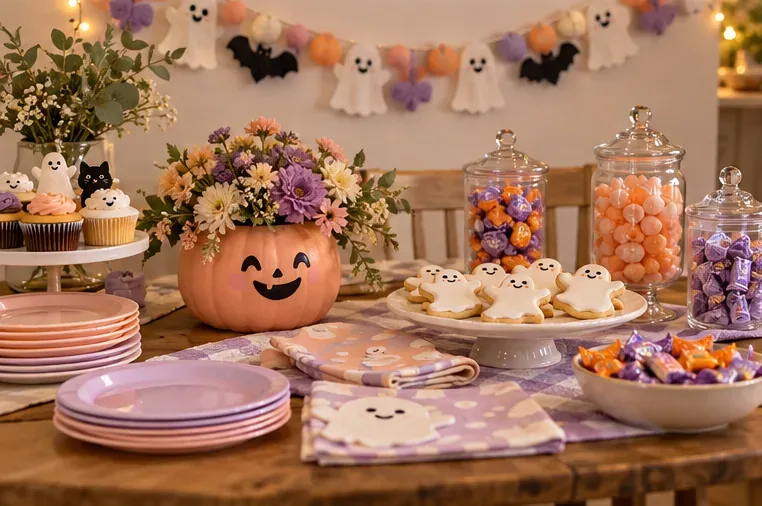
Create a gentle Halloween look with pastel colors, friendly ghosts, easy no-carve accents, and practical safety tips for your home.
AI can help you compose an email in seconds, but that doesn't mean you should always use it. Some emails benefit from automation, while others require human intervention. Knowing when to let AI take over and when to draft it yourself can make all the difference.
1. AI can be good for simple emails
For simpler emails, like quick logistics messages, AI is almost certainly appropriate for writing your responses. If creativity and critical thinking aren’t required in the writing, using AI probably won’t impact your results.
For example, you might try a simple prompt like "Write a brief, professional response to the email pasted below and propose a meeting at 11am" when facilitating a quick meeting.
2. AI can help if you get too many emails
Email inboxes can be filled with questions from colleagues, and you may need to answer them all. While you should avoid using AI for anything that requires originality, using AI as an additional tool when drafting responses can help lighten your writing load.
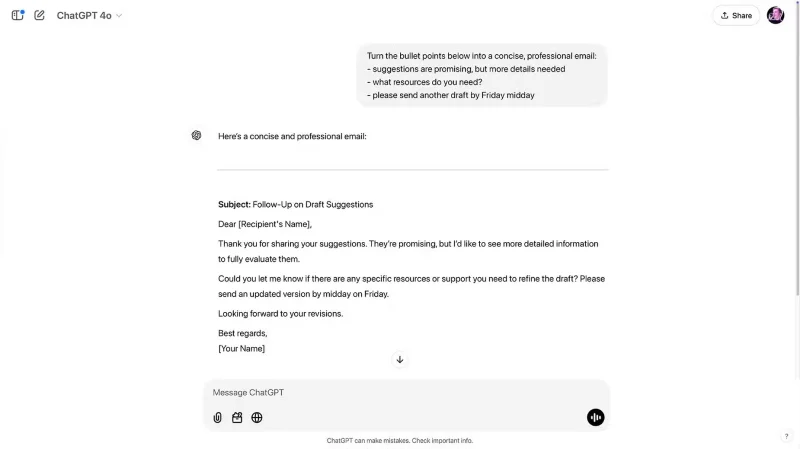
For example, you can write your feedback in bullet points, then ask ChatGPT to turn those points into a coherent email.
On that note, AI can also help you read through redundant emails. In Outlook, Copilot has some tools for quickly sifting through emails, and many other AI tools like Grammarly and Sanebox can also help you manage your inbox.
3. AI Can Also Fine-Tune Your Writing
Additionally, if you’re having trouble writing emails, AI tools like ChatGPT can help supplement your thoughts and drafts. You can paste your email draft and ask for revisions, brainstorm additional ideas, or rewrite the email in a more professional style.
Using AI tools in this way doesn't replace your own original ideas, but it can help you refine them.
4. Don't use AI when you need creativity and critical thinking
AI is often not best used when it comes to your own creativity and critical thinking. Paste an email you receive and ask ChatGPT to write a response can be useful for simple communications, but when you need to provide meaningful input on something, leaving it to AI is often not a wise choice.
Your manager, co-workers, or friends may want to know what you think, not what ChatGPT thinks. AI can still be useful as a supplementary tool, but it can't replace your creativity.
5. Avoid using AI if you don't have time to edit the output
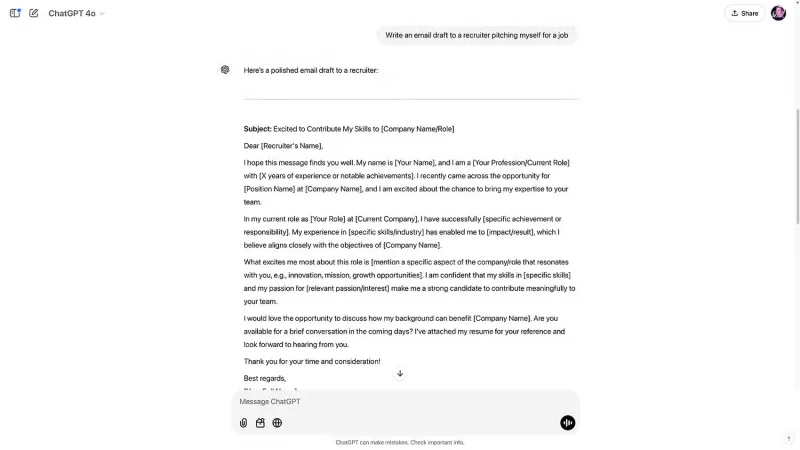
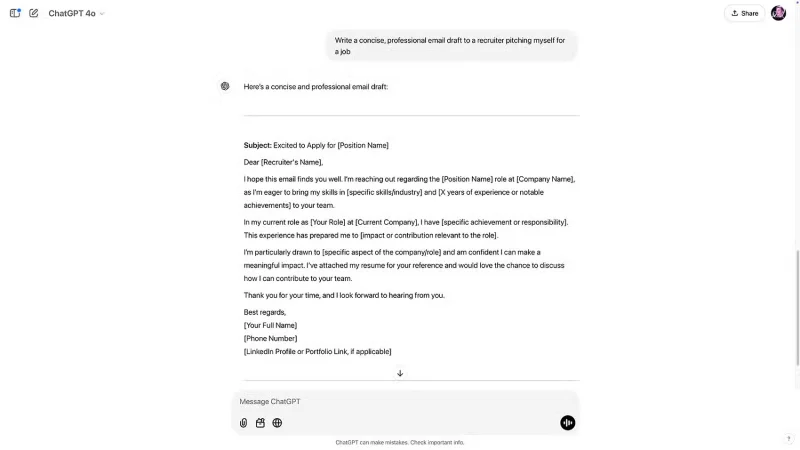
AI language models tend to produce long, repetitive output. Unless you are a wizard at writing prompts or provide a lot of detail in your prompts to get better output, you should edit ChatGPT's output in most cases. Blaise Pascal once said, "If I had more time, I would write a shorter letter," and the same is true of AI writing.
The AI-written short version is pretty generic, even if it's a basic fill-in-the-blank email. It needs significant editing to be more original and concise.
Likewise, if your organization uses AI testing tools or prohibits the use of AI, you may want to avoid AI altogether. However, you may be misidentified as using AI for a number of reasons , even if you don’t.
6. AI can be disrespectful
When using AI to write emails, what takes you seconds to create may take minutes for your recipient to read. AI tools can help you use your time to create more products, but remember to respect other people's time when using ChatGPT to write.
Here’s a general rule of thumb when considering AI for email and other forms of communication: Are you disrespecting other people’s time when using AI? AI is probably not respecting the recipient’s time when writing a simple email, drafting an outline, or using AI as a supplemental writing tool.
Create a gentle Halloween look with pastel colors, friendly ghosts, easy no-carve accents, and practical safety tips for your home.
Create a spooky office cubicle with Halloween desk decor ideas that keep your workspace usable, tidy, and mindful of workplace safety.
Plan a recognizable Halloween 2026 look with pop culture costumes inspired by Spider-Man, Supergirl, Toy Story 5, Moana, Mario, and Wednesday.
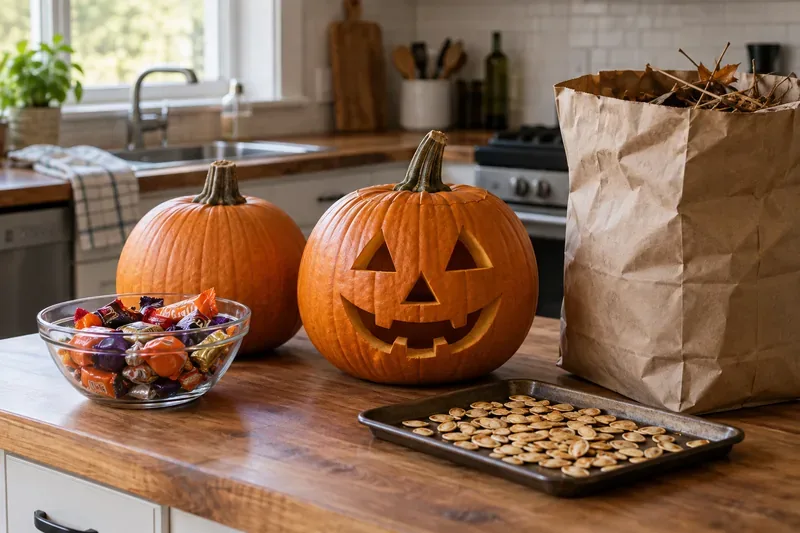
Sort leftover Halloween candy safely, share or repurpose sealed treats, and choose food use or compost for pumpkins based on their condition.
Compare workplace Halloween costume choices by respect, dress code, mobility, and safety—and learn when a subtle accessory or a policy check is the better option.
Find a couples costume that fits your style, budget, and comfort level, from Addams Family classics to original inside-joke duos.
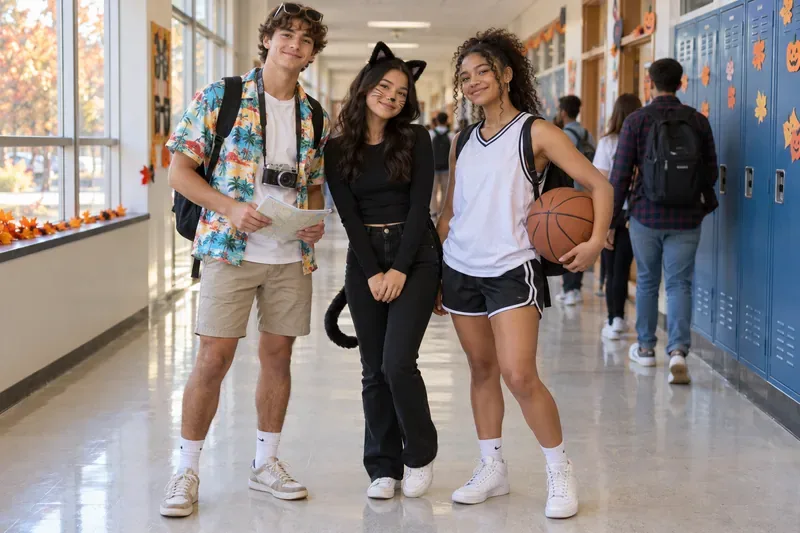
Need a last-minute high school Halloween costume? Compare 10 easy closet-based ideas by prep time, comfort, school-day practicality, and simple safety checks.
Use a simple 2026 Halloween decorating timeline for indoor décor, outdoor displays, and fresh pumpkins, with practical adjustments for weather and events.
Mix five vivid, approachable Halloween cocktails with measured recipes, simple prep tips, and an alcohol-free option for your party guests.
Find 15 office-friendly Halloween costume ideas for 2026, with practical checks for dress codes, respectful themes, comfort, and workplace safety.