5 Halloween Cocktails That Are Easy to Serve at Your 2026 Bash

Mix five vivid, approachable Halloween cocktails with measured recipes, simple prep tips, and an alcohol-free option for your party guests.
New research by a team of researchers from Australia and China suggests that the first rain appeared on Earth around 4 billion years ago, 500 million years earlier than previously thought.
To pinpoint the exact time of the first rain on our planet, the team relied on oxygen isotopes preserved in ancient minerals, the oldest remaining from the Earth's crust, stored in the Jack Hills range, Western Australia.

About 4 billion years ago, the ancient Earth had a dry, dusty landscape with little water. And the first rain may have contributed to the first seeds of life.
According to research, it is likely that inside the zircon crystals of the soil and rocks, there are water droplets from the oldest rain on Earth. These primordial minerals have remained virtually unchanged for nearly 4.4 billion years, under the temperature and pressure of the environment. Therefore, they have helped researchers have a clearer view of the history of the formation of the Earth.
Scientists analyzed tiny zircon grains using secondary ion mass spectrometry to deduce which oxygen isotopes were present in the magma that formed the crystals.
Scientists' new discovery marks a major step forward in our understanding of Earth's early history, and opens doors to further exploration of the origins of life.
Mix five vivid, approachable Halloween cocktails with measured recipes, simple prep tips, and an alcohol-free option for your party guests.
Find 15 office-friendly Halloween costume ideas for 2026, with practical checks for dress codes, respectful themes, comfort, and workplace safety.
Plan a fun elementary school Halloween party with easy crafts, games, inclusive treats, costume tips, and a sample 75-minute classroom schedule.
Compare realistic side hustles for 2026 by startup cost, fees, flexibility, and income control, with current tax and scam guidance from official sources.
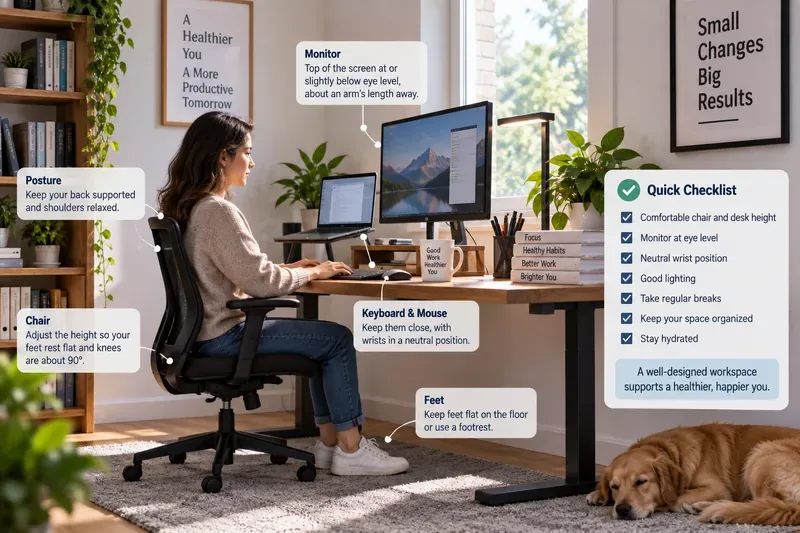
Upgrade your home office ergonomics with current OSHA and NIOSH guidance on chair fit, monitor height, laptop setup, lighting, and movement.
Learn why emotional intelligence matters in leadership, where it helps most, how to strengthen it, and how to tell whether your approach is working.
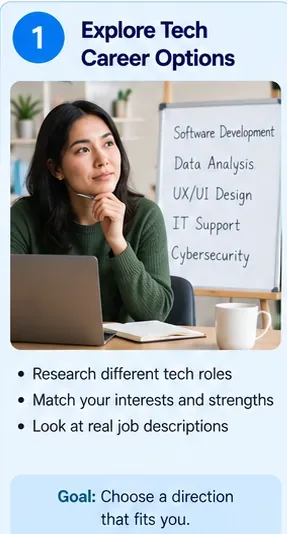
A practical roadmap for moving into tech without a degree: choose an accessible role, build job-ready skills, prove them with projects, and use hiring feedback to improve.
Build a credible LinkedIn personal brand in 2026 with current profile, content, newsletter, analytics, verification, and visibility guidance from LinkedIn.
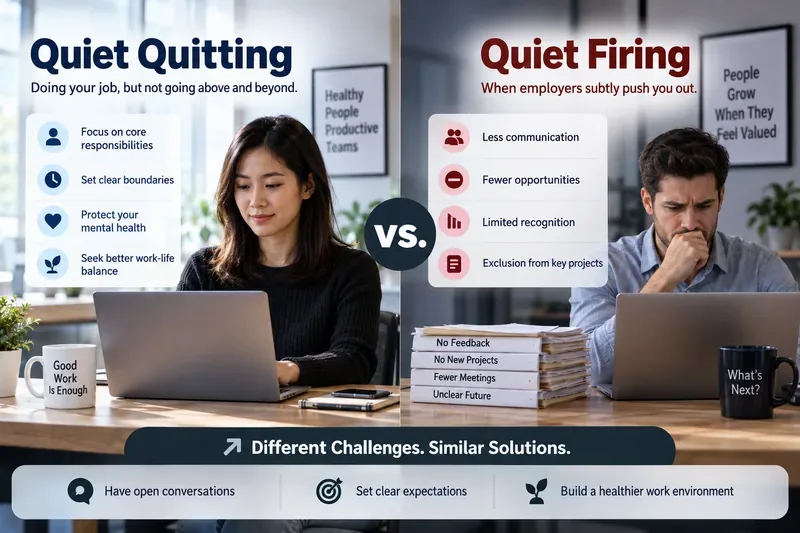
Quiet quitting and quiet firing are catchy labels, not diagnoses. Learn what is verified, what depends on context, and what employees and managers can do next.
Fractional executives offer senior leadership without a full-time hire. Learn when the model works, what to ask, and the risks to manage.