Pop Culture Costume Ideas That Will Dominate Halloween 2026

Plan a recognizable Halloween 2026 look with pop culture costumes inspired by Spider-Man, Supergirl, Toy Story 5, Moana, Mario, and Wednesday.
AI-generated music has come a long way in recent years, but it still lags far behind human-generated music. On closer inspection, AI-generated music doesn’t sound as good as what real musicians and producers can create.
How is AI music created?
Before AI, people made music by sitting down and playing an instrument, like a guitar, or singing. You had to physically move your body to make music, and then spend hours working to put all the parts together into a song.
The way AI systems create music is completely different.
AI uses machine learning algorithms to process a dataset of recorded music and learn things about music like melody, chords, instruments, and genre. To recreate the music that skilled musicians and producers can create, the AI system needs to break down music into its basic building blocks.
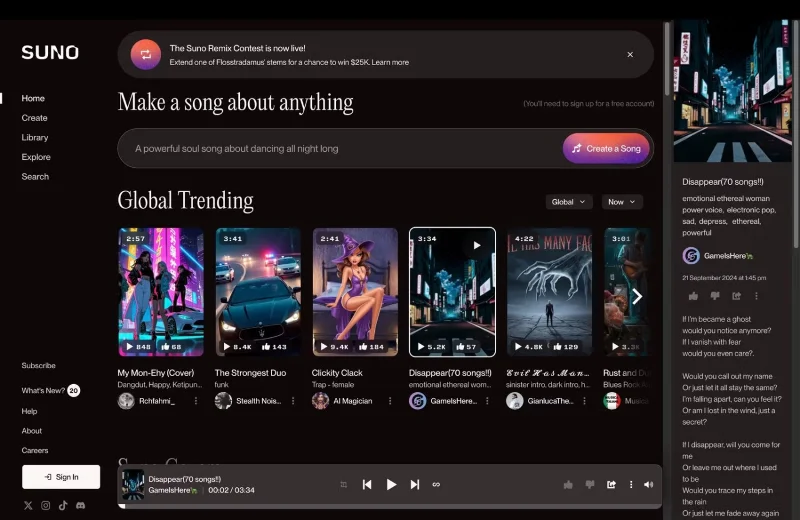
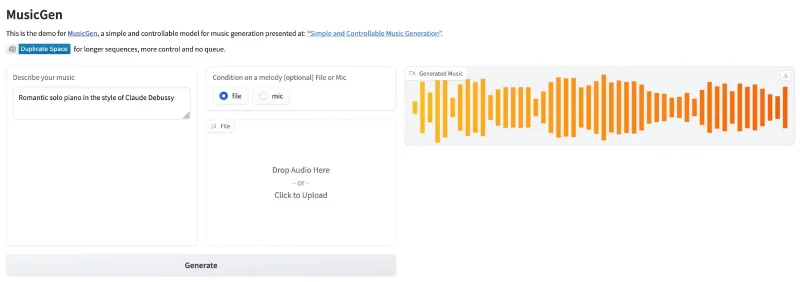
Once you've learned how to fully reproduce music, music creation tools like Suno or earlier efforts like Meta's MusicGen let you interact with their AI music generators through prompts. You can use them to create music simply by describing the track you want to create in a few words or sentences.
Compared to how we've been making music for thousands of years, this is a strange way to create something meaningful and emotional. You can try out the AI music maker to see for yourself how it works.
AI music is Low-Fi, but not good
Grasping the basic structure of a pop song was a huge hurdle in the early days. But now we have sites like Suno that technically create really impressive full tracks.
Don't be fooled into thinking the results are comparable to high-fidelity music, though. Just like watching videos at a minimum of 1080p is now the norm, back in the day, screens or bandwidth limitations meant that not everyone could get that quality.
A telltale sign of poor audio quality is hearing a lot of white noise in the music. You may hear something similar in AI tracks, as if you were listening to music played through an old radio.
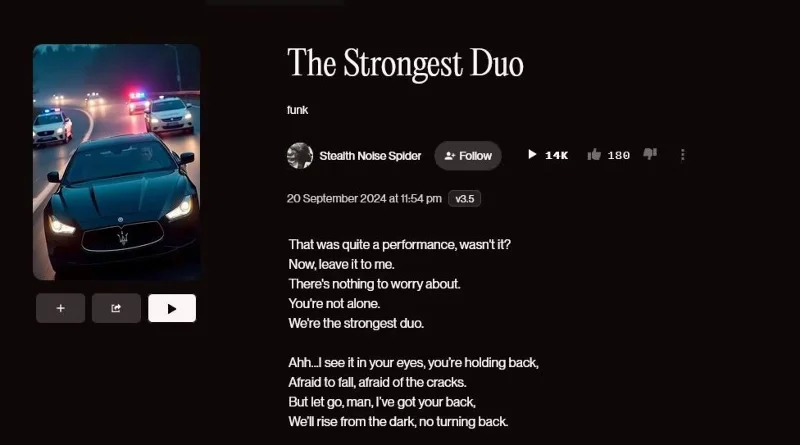
While not as bad as before, this background noise was present in almost every track the AI listened to on Suno. Here is an example from Suno. The track is called 'Strongest Duo' and the noise is present throughout the vocals.
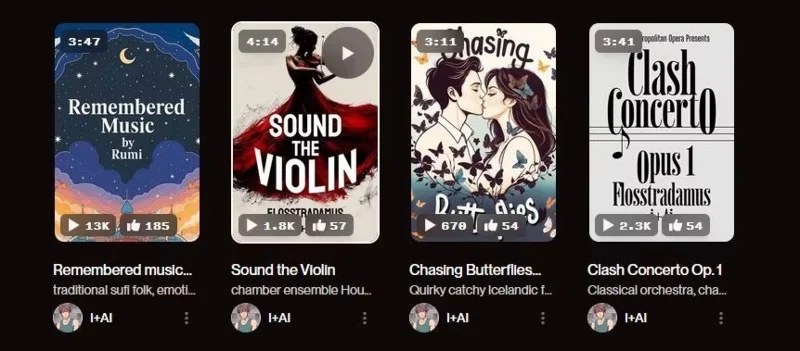
Here's another Suno track, this time featuring a classical violin. Show this to a trained violinist or audio professional and they'll easily tell you that the strings don't sound as good as they should.
There's a whole genre of music called low-fi music that has this characteristic warm sound, but in modern music production this is often done on purpose.
AI Hasn't Created a Hit Song Yet
AI-generated music has yet to become popular and earn a spot on the music charts, which is a clear sign that AI music isn't as good as you think.
Instead, examples like the diss rap track “BBL Drizzy,” which samples part of an AI-generated track, have sparked major copyright lawsuits. The Verge reports that Suno is facing legal action and complaints from the world’s largest record labels (Universal Music Group, Sony, and Warner Records).
The uncomfortable truth about AI music generators is that they wouldn’t exist without a massive collection of copyrighted music catalogs without permission. It’s safe to say that creating AI music plugins that are useful for production is a much better and more positive use of AI than creating industrial music and skipping music production altogether.
In any case, music is more than just sound. The reason so many people admire Taylor Swift or Billie Eilish is because there is a great story behind how they got to where they are today. We don’t just want to listen to their music, we want to hear their personal stories, imitate the way they dress, and admire their lavish lifestyles.
Could AI music create the same appeal? Absolutely not.
Music is too complex for AI to imitate
Taking an idea for a song, recording it, and releasing it to the world can take weeks, months, or years.
Unlike AI music, which takes just minutes to create with a few words in a prompt, real music requires an incredible amount of skill, imagination, and emotion to create the final product.
No matter how sophisticated AI music algorithms get, human music creation is much more complicated. Even if AI companies fix the quality problem, AI still won’t be able to create truly great music, because in the end, we care about more than the basic structure of a song. We also care about the people behind the music we enjoy.
Plan a recognizable Halloween 2026 look with pop culture costumes inspired by Spider-Man, Supergirl, Toy Story 5, Moana, Mario, and Wednesday.
Sort leftover Halloween candy safely, share or repurpose sealed treats, and choose food use or compost for pumpkins based on their condition.
Compare workplace Halloween costume choices by respect, dress code, mobility, and safety—and learn when a subtle accessory or a policy check is the better option.
Find a couples costume that fits your style, budget, and comfort level, from Addams Family classics to original inside-joke duos.
Need a last-minute high school Halloween costume? Compare 10 easy closet-based ideas by prep time, comfort, school-day practicality, and simple safety checks.
Use a simple 2026 Halloween decorating timeline for indoor décor, outdoor displays, and fresh pumpkins, with practical adjustments for weather and events.
Mix five vivid, approachable Halloween cocktails with measured recipes, simple prep tips, and an alcohol-free option for your party guests.
Find 15 office-friendly Halloween costume ideas for 2026, with practical checks for dress codes, respectful themes, comfort, and workplace safety.
Plan a fun elementary school Halloween party with easy crafts, games, inclusive treats, costume tips, and a sample 75-minute classroom schedule.
Compare realistic side hustles for 2026 by startup cost, fees, flexibility, and income control, with current tax and scam guidance from official sources.








