When to Start Decorating for Halloween in 2026

Use a simple 2026 Halloween decorating timeline for indoor décor, outdoor displays, and fresh pumpkins, with practical adjustments for weather and events.
Why are clothes and towels machine-dried soft and smooth, but when hung to dry they often feel scratchy or rough?
Most clothing fibers are made from plant material, usually cellulose. This material is very strong, easy to work with, and also likes water, absorbing as much as possible until it is saturated. In the washing machine, all the fibers are soaked with water.
As cellulose becomes saturated and swells, some of the hydrogen bonds that hold the cellulose together are broken. The hydrogen bonds between the cellulose chains are reformed as the water begins to evaporate, returning them to their rigid state.
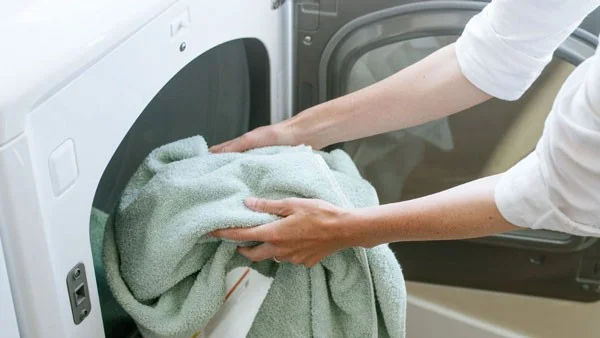
In the dryer, the cellulose fibers cannot bond tightly and completely due to the constant movement of the clothes. This causes the towel to feel a bit fluffy because the cotton fibers are not tightly bonded together.
When wet clothes are hung out to dry naturally, the fact that they are 'standing still' allows the cellulose fibres to re-form their hydrogen bonds more efficiently. More bonds between fibres means more strength, resulting in a garment that feels more sturdy.
Tumble drying is a great option for those who like convenience while also ensuring their clothes don't get scratched. However, it can also increase friction, wear out fabrics, and even cause fading.
Air drying also has the advantage of being environmentally friendly as it reduces carbon emissions and electricity usage, and keeps clothes in better condition. However, clothes that are air dried tend to have wrinkles and seams, so you may need to iron them before wearing them. This is less likely to happen with tumble drying due to the constant movement.
Too much detergent in your clothes can also make the problem of scratchy fabrics worse. To reduce the “crunchy” feeling of your clothes drying, reduce the amount of detergent you normally use by 20%.
Use a simple 2026 Halloween decorating timeline for indoor décor, outdoor displays, and fresh pumpkins, with practical adjustments for weather and events.
Mix five vivid, approachable Halloween cocktails with measured recipes, simple prep tips, and an alcohol-free option for your party guests.
Find 15 office-friendly Halloween costume ideas for 2026, with practical checks for dress codes, respectful themes, comfort, and workplace safety.
Plan a fun elementary school Halloween party with easy crafts, games, inclusive treats, costume tips, and a sample 75-minute classroom schedule.
Compare realistic side hustles for 2026 by startup cost, fees, flexibility, and income control, with current tax and scam guidance from official sources.
Upgrade your home office ergonomics with current OSHA and NIOSH guidance on chair fit, monitor height, laptop setup, lighting, and movement.
Learn why emotional intelligence matters in leadership, where it helps most, how to strengthen it, and how to tell whether your approach is working.
A practical roadmap for moving into tech without a degree: choose an accessible role, build job-ready skills, prove them with projects, and use hiring feedback to improve.
Build a credible LinkedIn personal brand in 2026 with current profile, content, newsletter, analytics, verification, and visibility guidance from LinkedIn.
Quiet quitting and quiet firing are catchy labels, not diagnoses. Learn what is verified, what depends on context, and what employees and managers can do next.








