Kawaii Halloween Decor Without Gore or Jump Scares
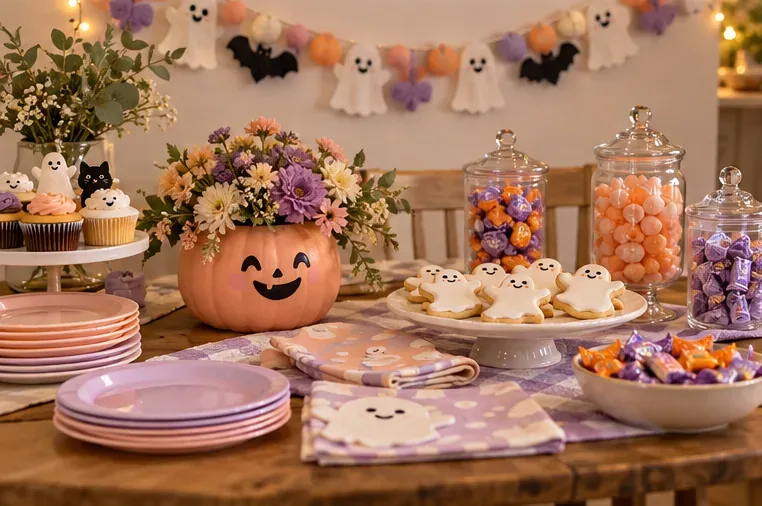
Create a gentle Halloween look with pastel colors, friendly ghosts, easy no-carve accents, and practical safety tips for your home.
The world's highest mountain (on land) is Everest - in the Himalayas, at 8,849 meters, according to data from the English Encyclopedia Britannica.
Mount Everest was discovered in 1852, and to this day, 172 years have passed and no mountain has surpassed Everest's record. This means that there is no land mountain on Earth that is higher than 10,000 meters.
Why are the heights of mountains so limited?
According to scientists, there are 3 factors that inhibit the growth of terrestrial mountains, including:
Geological conditions
According to scientists, many mountains are formed by plate tectonics, the movement of the Earth's surface layers.
The Himalayan mountain range in Asia, including Mount Everest, was formed when large pieces of the earth's crust collided with each other, forcing material from their contact edges upward.
The Earth's crust deforms plastically to a certain extent. When the pressure exceeds the limit of the Earth's crust, it will cause cracks or earthquakes that cause the mountain to collapse or partially damage it. Simply put, the Earth's crust cannot withstand the accumulation of rocks at a certain height, so when the mountains exceed the limit, they will partially collapse.
Gravity
Mountains are very heavy things, and also have to fight against gravity which is always trying to pull them down.
As the height of mountains increases, they will also be subject to the increasing gravitational force of the Earth. And when the gravitational force of the material exceeds the cohesive force of the material, the mountain will collapse or be damaged in shape.
Rivers
Water and river currents erode material, creating deep crevices near the base of mountains. Over time, this continued erosion can cause landslides, which in turn reduces the height of mountains.
Create a gentle Halloween look with pastel colors, friendly ghosts, easy no-carve accents, and practical safety tips for your home.
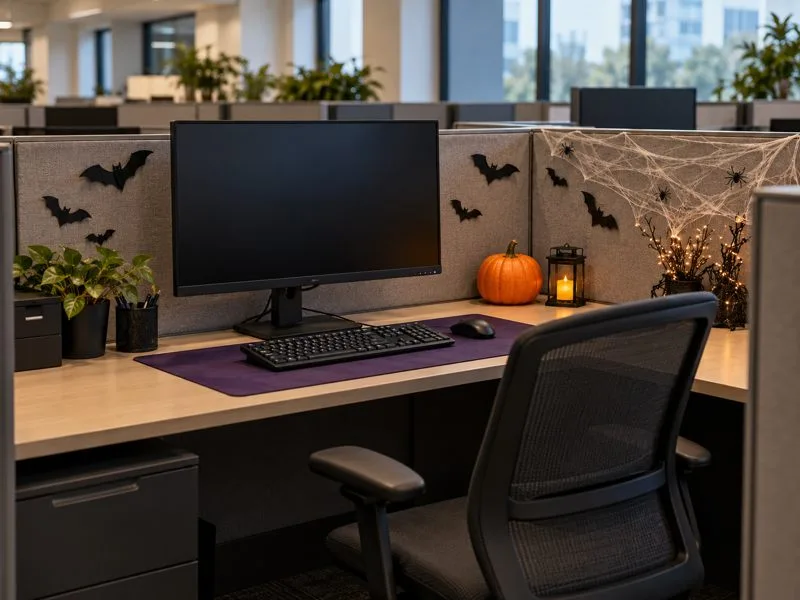
Create a spooky office cubicle with Halloween desk decor ideas that keep your workspace usable, tidy, and mindful of workplace safety.
Plan a recognizable Halloween 2026 look with pop culture costumes inspired by Spider-Man, Supergirl, Toy Story 5, Moana, Mario, and Wednesday.
Sort leftover Halloween candy safely, share or repurpose sealed treats, and choose food use or compost for pumpkins based on their condition.
Compare workplace Halloween costume choices by respect, dress code, mobility, and safety—and learn when a subtle accessory or a policy check is the better option.
Find a couples costume that fits your style, budget, and comfort level, from Addams Family classics to original inside-joke duos.
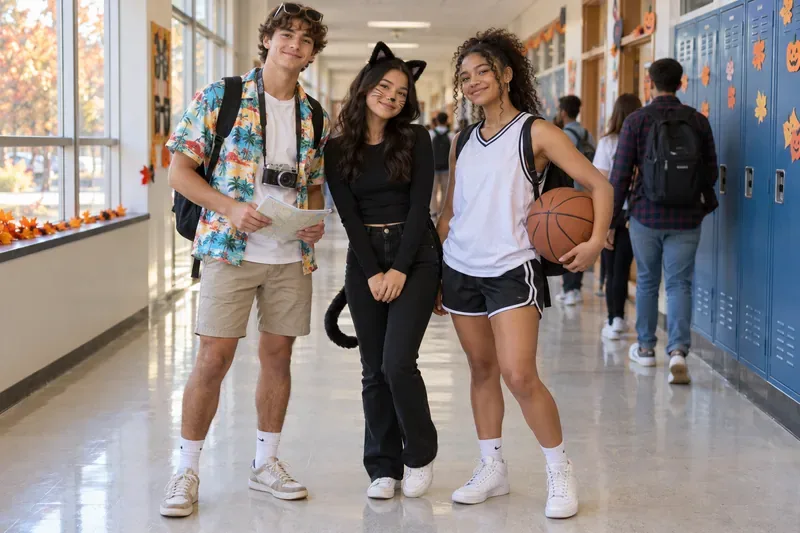
Need a last-minute high school Halloween costume? Compare 10 easy closet-based ideas by prep time, comfort, school-day practicality, and simple safety checks.
Use a simple 2026 Halloween decorating timeline for indoor décor, outdoor displays, and fresh pumpkins, with practical adjustments for weather and events.
Mix five vivid, approachable Halloween cocktails with measured recipes, simple prep tips, and an alcohol-free option for your party guests.
Find 15 office-friendly Halloween costume ideas for 2026, with practical checks for dress codes, respectful themes, comfort, and workplace safety.