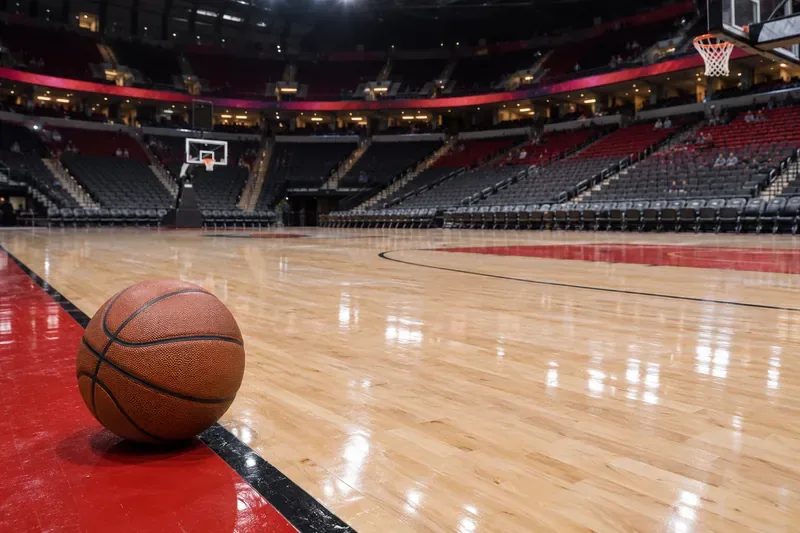
Trail Blazers vs Warriors: Portland Wins 116–94 — Score and Replay Guide, Updated 5:14 p.m. AEDT
Portland beat Golden State 116–94 in the NBA Cup. Find the official final score, box score, play-by-play and Australian replay options.
Information checked: November 27, 2026, 13:01 UTC (UTC+00:00).
A meteor can look green because the intense energy released during atmospheric entry excites atoms in the incoming space rock and the surrounding air. As those atoms release energy in the form of light, some produce green or blue-green wavelengths. Magnesium, nickel and atmospheric oxygen can all contribute to the effect. A brilliant green streak is therefore consistent with a natural meteor, but its color alone cannot confirm what you saw or what the object contained.
For skywatchers in Canada, the most useful clues are how quickly the light moved, how long it lasted and whether anyone else recorded it. This guide explains the science behind green fireballs and how to document a possible sighting; it does not establish that any particular recent sighting was a meteor.
Destaques
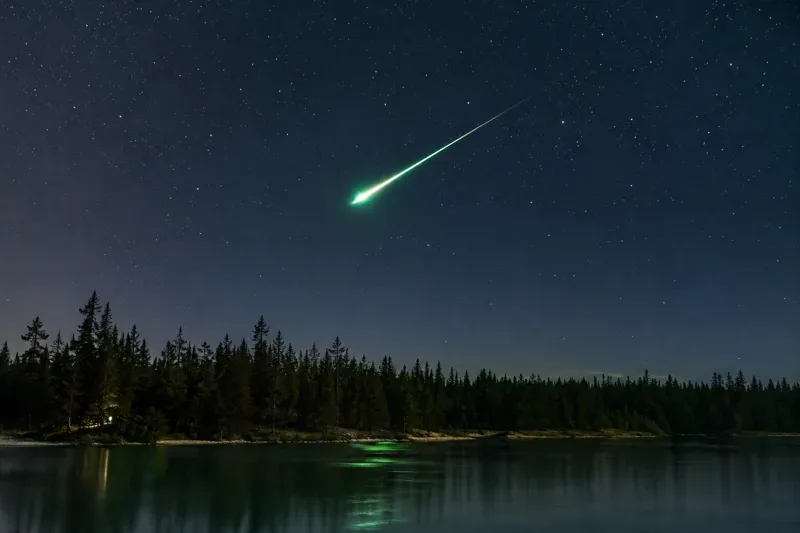
When a small object from space plunges into Earth's atmosphere, it collides with air at tremendous speed. Gas compressed and heated around the object, along with material stripped from its surface, forms a luminous region. The process of losing surface material is called ablation. Collisions transfer energy to atoms, which can then release photons at characteristic wavelengths as they return to lower-energy states.
Different elements contribute different wavelengths. NASA's explanation of meteor chemistry associates magnesium with blue-green emissions and nickel with green emissions. Its discussion of the Geminids also identifies oxygen as a potential contributor to green light.
Think of the visible streak as a mixture of light sources rather than the natural color of a rock. A dark gray fragment could create a brilliant green flash. More than one element can contribute simultaneously, and the balance can change during flight. The speed, altitude and conditions of entry affect which emissions are prominent.
The terminology depends on where the object is and how it appears. NASA distinguishes meteoroids, meteors and meteorites. A meteoroid is the material traveling through space. A meteor is the luminous atmospheric phenomenon. A meteorite is surviving material that actually lands on Earth's surface.
The term fireball describes an unusually bright meteor, typically around magnitude minus four or brighter, comparable to Venus. A bolide is commonly used for a fireball with a conspicuous final burst. These labels describe the visible event, not a guarantee of the object's composition, size or fate. A green meteor can be faint, while a white or orange meteor can be a spectacular fireball.
It might contain magnesium or nickel, but identifying a specific metal from the apparent hue is unreliable. A familiar comparison is a green flame in a fireworks display. That comparison is useful for understanding emission colors, but the meteor environment involves rapidly changing temperatures, atmospheric gases and overlapping wavelengths. Even two witnesses watching the same streak may describe its shade differently.
Researchers can use spectroscopy to separate the light into wavelengths and look for recognizable emission lines. An ordinary phone recording is not a calibrated spectrum. Its sensor, exposure, white balance and compression can alter the appearance of a bright object. A saturated white center surrounded by green pixels is not enough to establish chemical composition or estimate the amount of any metal present.
A fast, continuous streak that disappears abruptly within seconds is a useful starting clue. By comparison, an aircraft commonly has repeatedly flashing lights and remains visible as it crosses the sky. Reentering human-made space debris can sometimes produce multiple glowing fragments over a longer period. An aurora generally appears as a more extensive glow, arc or curtain rather than a single rapidly moving point.
These are clues, not definitive tests. A meteor can fragment, and an unusually shallow trajectory may remain visible longer than expected. A lingering trail may remain after the luminous head has vanished. Wind can distort this trail, making it look different from the original path. When reviewing video, pay attention to the entire sequence instead of relying on a single frame or its color.
Most incoming material is destroyed high in the atmosphere. Exceptionally energetic entries can produce shock waves, and some objects survive in fragments, but green light is not a measure of that risk. Brightness alone is also insufficient to predict a meteorite fall because entry velocity, structural strength and trajectory matter.
A light that seems to disappear behind a nearby tree or building may actually be many kilometers away. Do not use that apparent endpoint as a reliable landing location. If an unusual event causes damage, smoke or an immediate hazard, keep clear and contact local emergency services as appropriate. Otherwise, prioritize documenting the observation rather than trying to chase the object.
The American Meteor Society fireball reporting form accepts observations from around the world. Its fireball logs can help you look for reports that might correspond to your sighting. Researchers can compare observations from separated locations to reconstruct a path through the atmosphere.
Canada spans several time zones, so two videos with different displayed clock times may show the same event. Conversely, similar-looking streaks shared on the same day may be unrelated. A matching report is a useful lead, not necessarily a scientific confirmation. See the AMS fireball FAQ for more guidance on observations and meteor behavior.
Green is a recognized meteor color. Very bright fireballs are less commonly witnessed than ordinary meteors, and their intensity makes color easier to see. There is no universal probability for seeing a green one on a particular night.
No. They can occur during showers, including the Geminids, or independently when an unrelated meteoroid enters the atmosphere.
No. The color does not indicate whether any material survived. Confirming a fall requires additional evidence, such as a measured trajectory and identified fragments.
Portland beat Golden State 116–94 in the NBA Cup. Find the official final score, box score, play-by-play and Australian replay options.

Stay safer during hot weather with practical heatwave tips: hydrate, cool your home, protect at-risk people, and recognize heat exhaustion and heatstroke.

The Spurs beat the Lakers 99–96 in San Antonio. See where to track NBA scores, box scores, game updates, and Australian tipoff times.

Find the latest Victoria election count on the VEC website and ABC tracker, understand preferences and seat totals, and check the 2026 declaration timeline.

Seattle hosts Edmonton at 7 p.m. PST after Kaapo Kakko’s late two-goal surge gave the Kraken a 4–2 win. Canadian start times, storylines and lineup notes.

Toronto beat Brooklyn 124-100 in the NBA Cup group-stage finale. See Scottie Barnes’ 34 points, Immanuel Quickley’s triple-double and what’s next.

Kyle Connor scored twice as Winnipeg beat New York 3–1. See the pregame context, scoring turns, goalie performances and what the result means.

Comprehensive preview of Golden State Warriors vs. Portland Trail Blazers: tactical breakdowns, key matchups, rebounding battles, and what to watch.
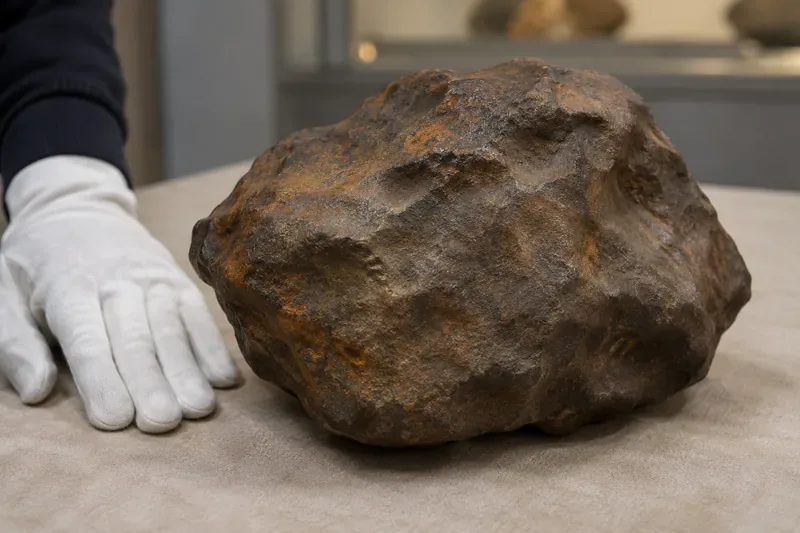
Learn how prospector David Hole found the 17-kilogram Maryborough meteorite, what its H5 chondrite classification means, and how its age differs from its time on Earth.

A clear guide to the Pacers–76ers NBA Cup matchup: group stakes, earlier meetings, key players, injury context, and the Indianapolis tipoff converted to Australian time.