Pop Culture Costume Ideas That Will Dominate Halloween 2026
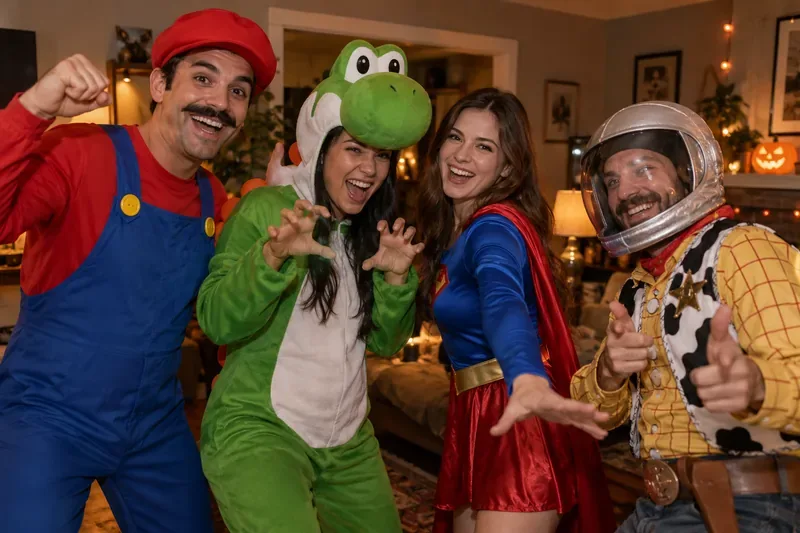
Plan a recognizable Halloween 2026 look with pop culture costumes inspired by Spider-Man, Supergirl, Toy Story 5, Moana, Mario, and Wednesday.
If you have used Generative AI tools to create images, you may have encountered problems with text in images. Knowing why this happens will help you avoid this problem, as well as find a solution.
Table of Contents
The biggest reason why AI can’t write text is because of the input data in the past. While AI is pretty good at generating images in general, some aspects like text haven’t been used to the same extent as training large language models (LLMs) . As a result, AI isn’t very good at generating text in images.
While quite advanced, AI tools are still technically in their early stages. Furthermore, some AI tools are running out of training data. It’s still possible that generative tools could generate better text, but for now, you’ll have to try a workaround.
While generating text in AI images is challenging, it's not impossible. Here are the most effective methods available right now...
When people first start using AI, their prompt writing skills are often substandard. The biggest mistake is giving vague prompts like “create an image of a street scene”.
It’s no surprise that you get substandard results. The best way to use Generative AI is to think of your prompt as a creative brief. The more specific, the better. Here’s an example prompt:
Create an image of the exterior of an Italian cafe. I want it to have the writing "Café" as a sign, and it should be on a sunny day.
Rough Translation : Create an exterior image of an Italian cafe. I want the image to have the words "Café" on the sign and on a sunny day.
As you can see from the image below, ChatGPT did a pretty good job. This wouldn't have happened if you had just said "Create an exterior image of an Italian cafe".
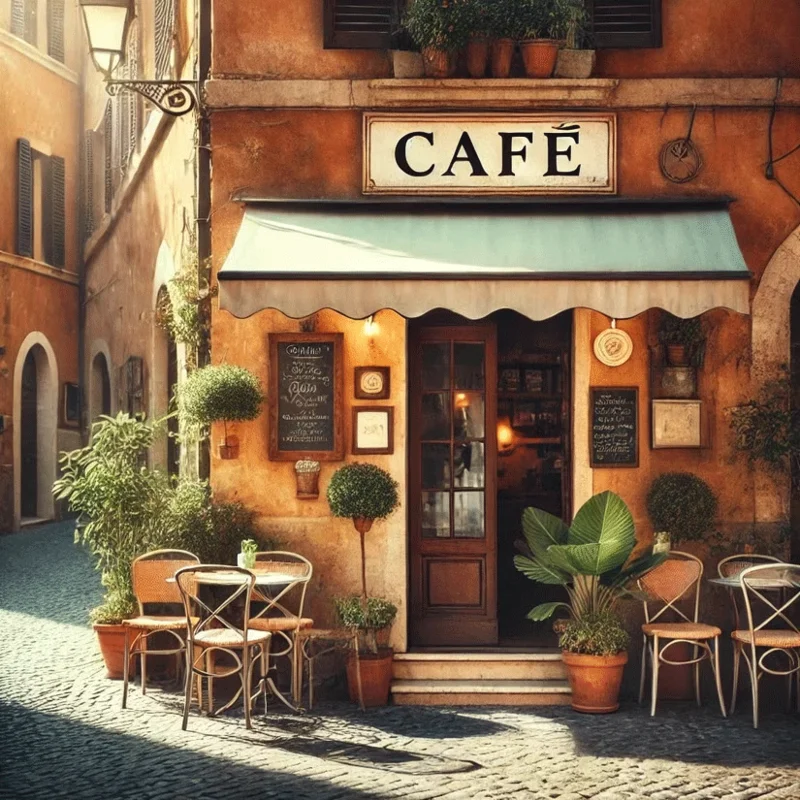
In my experience, simpler images seem to work better. For example, the image above has fewer elements than the image tested below – meaning the AI has less to try and figure out.
Changing the language in the prompt a little can make a big difference. After trying the term "text" a few times, you'll start to feel like you're going in circles, so try different synonyms.
For example, instead of "text", you could try:
If none of these work, keep trying alternatives. What works and what doesn’t will vary depending on what you’re trying to create. For example, you probably wouldn’t use “symbols” if you were trying to design a birthday card. Experimenting with different AI prompt ideas is key here, and different tools may work differently.
You shouldn’t add text via the replace tool if the words are meant to be part of an image, but it’s a good idea if you’re trying to create more graphics. It works well if you want to design a card, graphic, book cover, or something similar.
If you’re going to do this, make sure there’s enough space in the image. You can use whatever tool you want to add text to your image. Canva or Adobe Photoshop Express are recommended options, but other apps that let you add text to images on your smartphone will also work with AI-generated content.
You should also make sure that the text fits the AI-generated image. Use a font that fits the mood you are trying to convey and reshape things however you feel necessary.
AI image text generation fails often because you’re trying to add too much text. Honestly, this happens whenever you try to create anything longer than 10 characters. Similar to the suggestion to keep images simple, you should do everything you can to keep your text short.
To test this, the author tried another prompt:
Please generate an image of a bank with the text "bank" on the outside. I want it to be in a downtown city area and a modern structure, like what you would see in a US city.
Let 's create an image of a bank with the word "bank" on the outside. I want it to be in a downtown area and have a modern structure, like what you would see in an American city.
As you can see below, the AI did a pretty good job of listening to the user. However, there were some errors in one part of the image. So tell the AI that you only want one or two signs to limit the chance of this happening. These issues also seem to occur when the text is smaller, so keep that in mind.
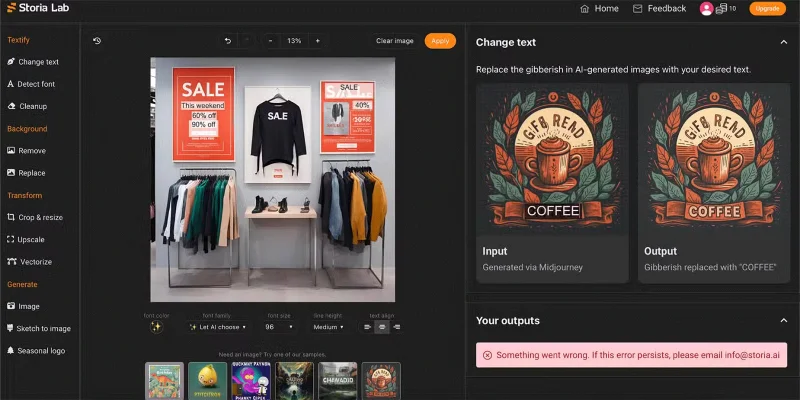
Similar to how you can remove flaws in photos taken with your camera, you can try using a tool to fix text in photos. There are many apps that fix nonsense text in photos using AI, such as Storia Lab.
When using these tools, you can usually select text and change the content as you see fit. Some apps are free, but in others you’ll need a paid subscription. If you create a lot of AI images, you can buy a monthly or yearly plan to access them as often as you need.
You may have heard of Midjourney , DALL-E, Firefly, and similar AI image generators. But did you know that there are specific AI art generators that generate accurate text in images?
Since one of Ideogram’s specialty features is generating legible text, you can definitely give this app a try for some of your creations. Ideogram has a Magic Prompt feature that expands on its original feature, meaning you can get even more accurate results. In addition to the free plan, paid subscriptions start at $8/month.
While generative AI has its shortcomings when it comes to creating images with legible text, you’ll find a few workarounds if you’re willing to think outside the box. Sometimes the best option is to give your tool detailed prompts with fewer words to process. You may also want to fix problems in your images with other software or use tools specifically designed to generate accurate text.
Plan a recognizable Halloween 2026 look with pop culture costumes inspired by Spider-Man, Supergirl, Toy Story 5, Moana, Mario, and Wednesday.
Sort leftover Halloween candy safely, share or repurpose sealed treats, and choose food use or compost for pumpkins based on their condition.
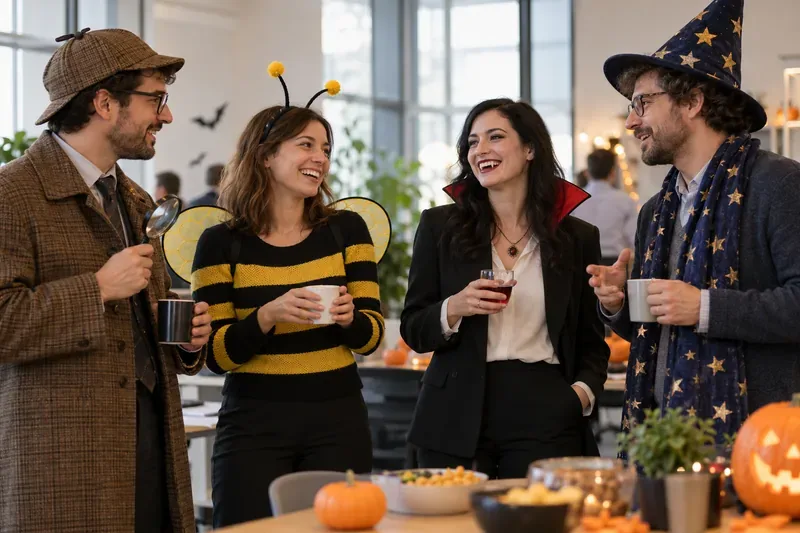
Compare workplace Halloween costume choices by respect, dress code, mobility, and safety—and learn when a subtle accessory or a policy check is the better option.
Find a couples costume that fits your style, budget, and comfort level, from Addams Family classics to original inside-joke duos.
Need a last-minute high school Halloween costume? Compare 10 easy closet-based ideas by prep time, comfort, school-day practicality, and simple safety checks.
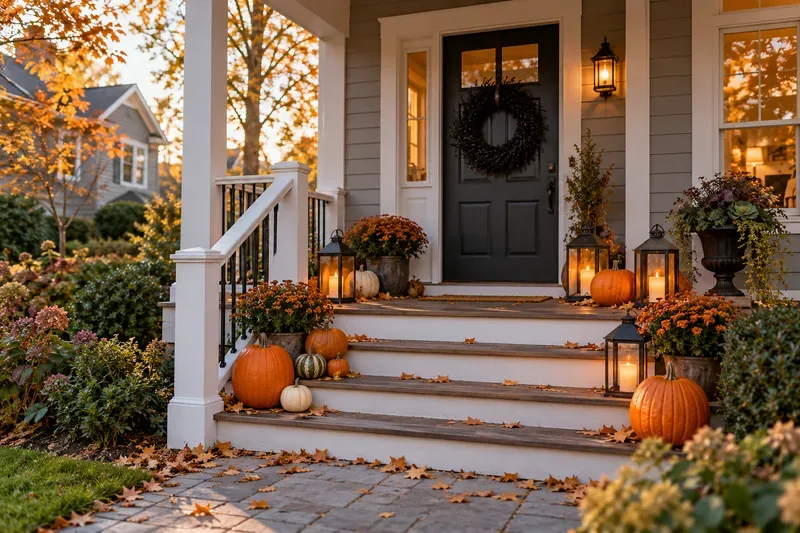
Use a simple 2026 Halloween decorating timeline for indoor décor, outdoor displays, and fresh pumpkins, with practical adjustments for weather and events.
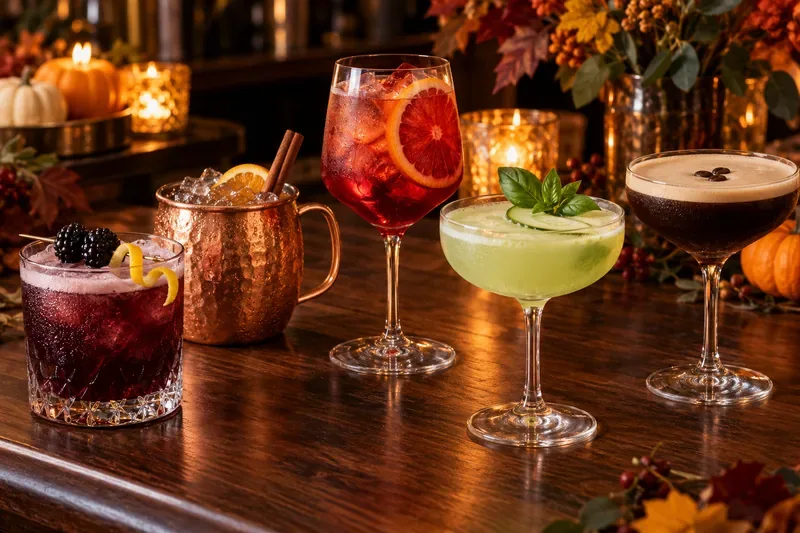
Mix five vivid, approachable Halloween cocktails with measured recipes, simple prep tips, and an alcohol-free option for your party guests.
Find 15 office-friendly Halloween costume ideas for 2026, with practical checks for dress codes, respectful themes, comfort, and workplace safety.
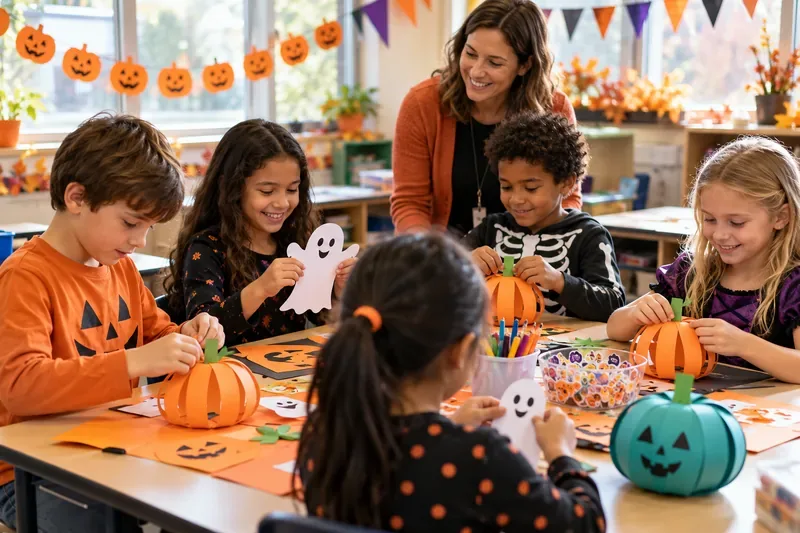
Plan a fun elementary school Halloween party with easy crafts, games, inclusive treats, costume tips, and a sample 75-minute classroom schedule.
Compare realistic side hustles for 2026 by startup cost, fees, flexibility, and income control, with current tax and scam guidance from official sources.