Kawaii Halloween Decor Without Gore or Jump Scares
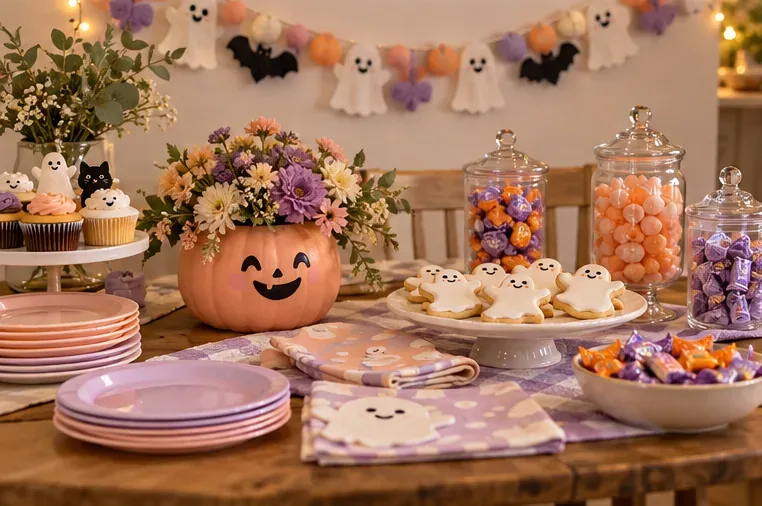
Create a gentle Halloween look with pastel colors, friendly ghosts, easy no-carve accents, and practical safety tips for your home.
When alive, shrimp and crabs have a blue-black back, but after being boiled, their shells turn a bright orange-red color.
The cause comes from a chemical compound called Astaxanthin found in the shells of shrimp, crabs and some clams. Astaxanthin is an orange-red pigment, belonging to the Carotenoid chemical group, which is an antioxidant.
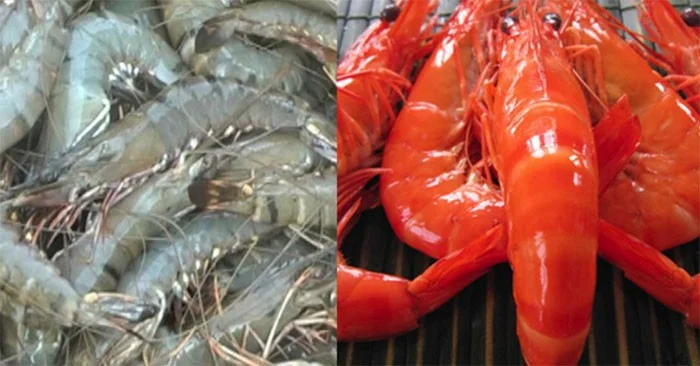
When shrimp and crab are alive, although Astaxanthin is present in their shells, it is covered by another compound called Crustacyanin, so it does not show its original bright red color. However, Crustacyanin is not heat-resistant. Under the effect of heat when cooking, Crustacyanin will decompose, causing Astaxanthin to be released and making the shells of shrimp and crabs turn orange-red.
By observing the intensity of the red color when the shell discoloration occurs, we know when the shrimp and crab are cooked or still "rare".
Another interesting fact about the animal world is that the pink-orange color of flamingos comes from their diet of algae, grubs, and brine shrimp. Flamingos’ diet contains large amounts of beta carotene, a red-orange pigment. When the flamingo’s stomach digests its food, it releases Astaxanthin, which the bird’s body absorbs and gives its feathers their pink color.
In the seafood industry, to make salmon meat a deeper orange color and clownfish skin a more vibrant red, salmon and clownfish farmers feed them food containing Astaxanthin.
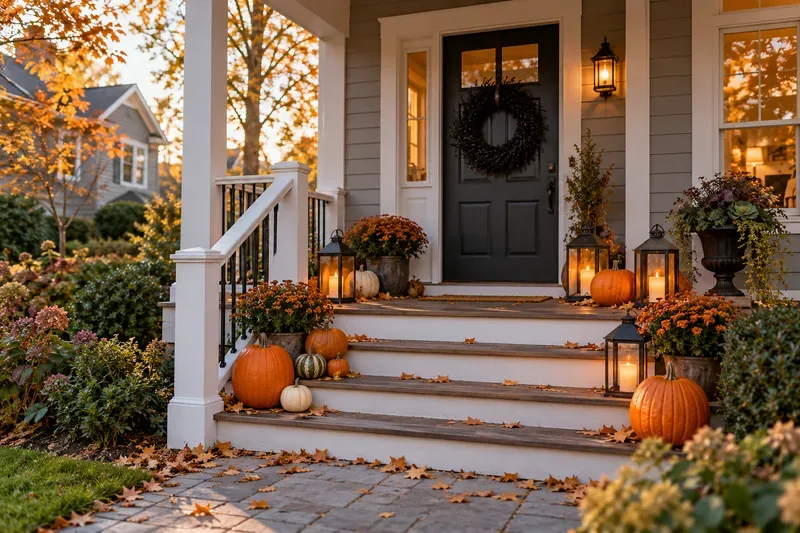
Create a gentle Halloween look with pastel colors, friendly ghosts, easy no-carve accents, and practical safety tips for your home.
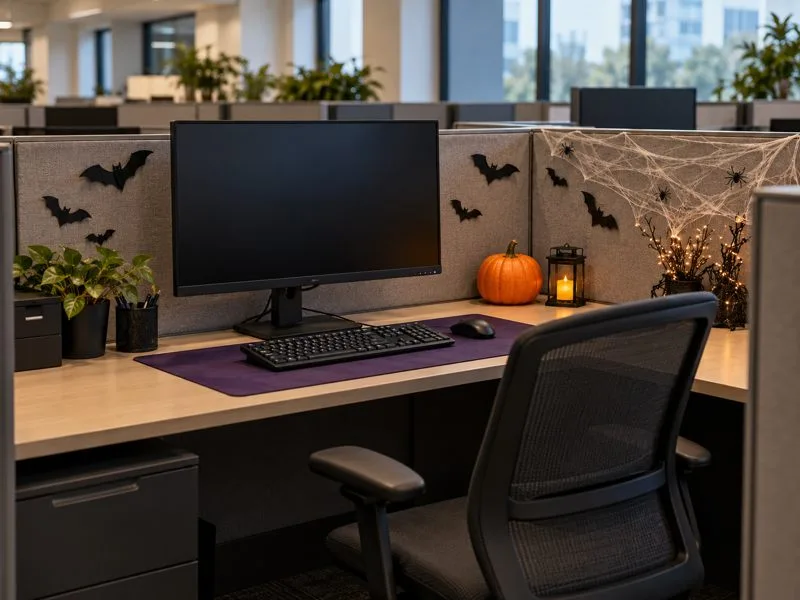
Create a spooky office cubicle with Halloween desk decor ideas that keep your workspace usable, tidy, and mindful of workplace safety.
Plan a recognizable Halloween 2026 look with pop culture costumes inspired by Spider-Man, Supergirl, Toy Story 5, Moana, Mario, and Wednesday.
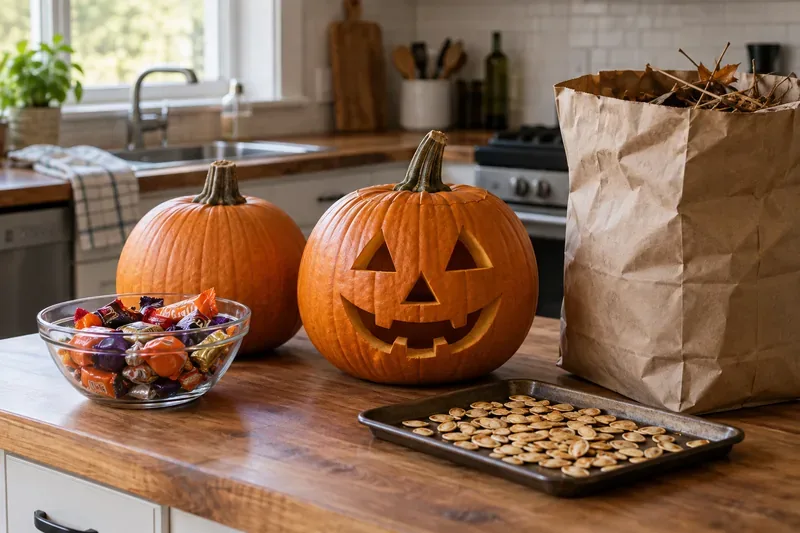
Sort leftover Halloween candy safely, share or repurpose sealed treats, and choose food use or compost for pumpkins based on their condition.
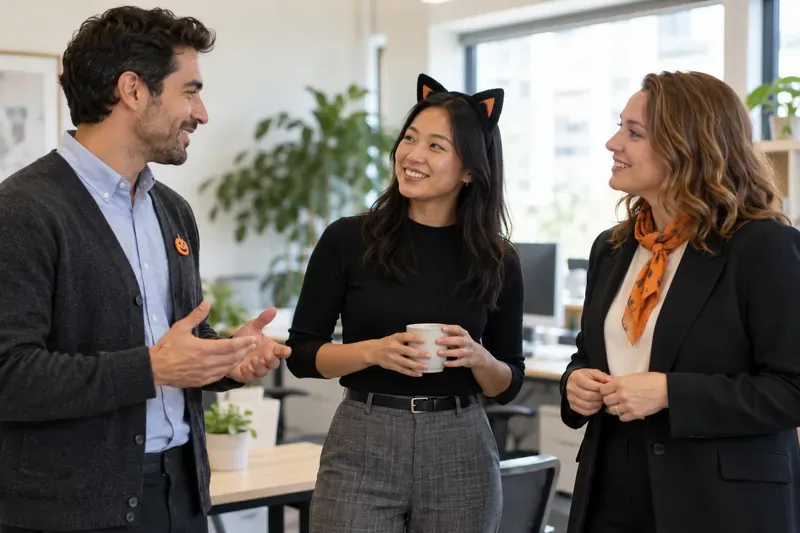
Compare workplace Halloween costume choices by respect, dress code, mobility, and safety—and learn when a subtle accessory or a policy check is the better option.
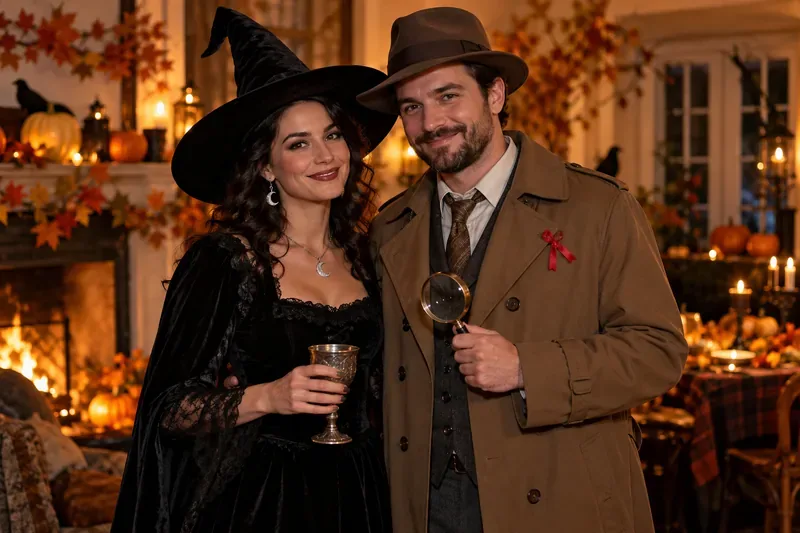
Find a couples costume that fits your style, budget, and comfort level, from Addams Family classics to original inside-joke duos.
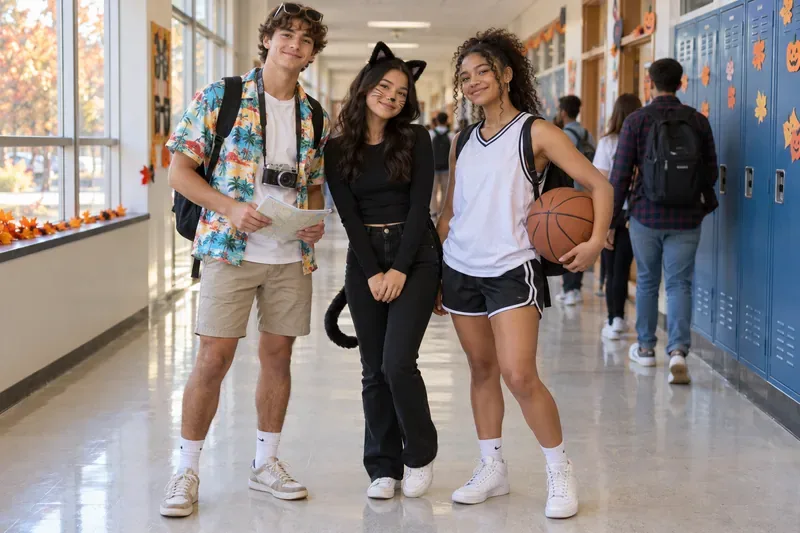
Need a last-minute high school Halloween costume? Compare 10 easy closet-based ideas by prep time, comfort, school-day practicality, and simple safety checks.
Use a simple 2026 Halloween decorating timeline for indoor décor, outdoor displays, and fresh pumpkins, with practical adjustments for weather and events.
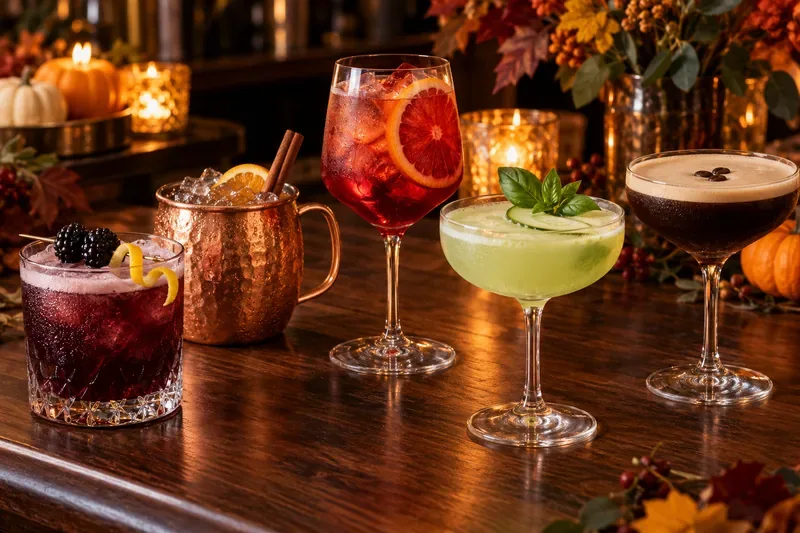
Mix five vivid, approachable Halloween cocktails with measured recipes, simple prep tips, and an alcohol-free option for your party guests.
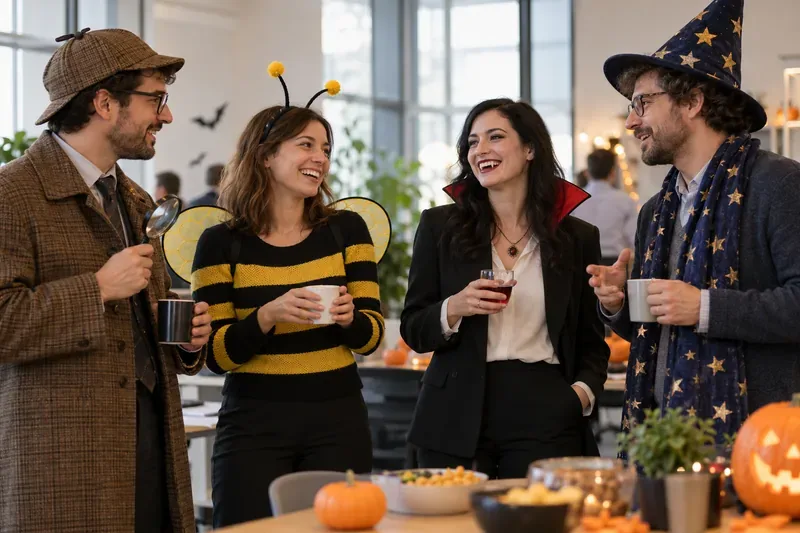
Find 15 office-friendly Halloween costume ideas for 2026, with practical checks for dress codes, respectful themes, comfort, and workplace safety.