When to Start Decorating for Halloween in 2026

Use a simple 2026 Halloween decorating timeline for indoor décor, outdoor displays, and fresh pumpkins, with practical adjustments for weather and events.
Choosing the wrong charger can cause your device to charge slowly or even break. And with so many options and similar products, finding the right one is harder than ever.
Charging standards explained
Buying a phone charger used to be simple, but now it seems much more complicated. One big reason for the confusion is the variety of charging standards. Not all chargers are the same, even though they look similar. Go to a store or browse online, and you’ll see a plethora of options: USB-A, USB-C, Quick Charge (QC), and USB Power Delivery (PD). But what do they actually mean?
USB-A and USB-C
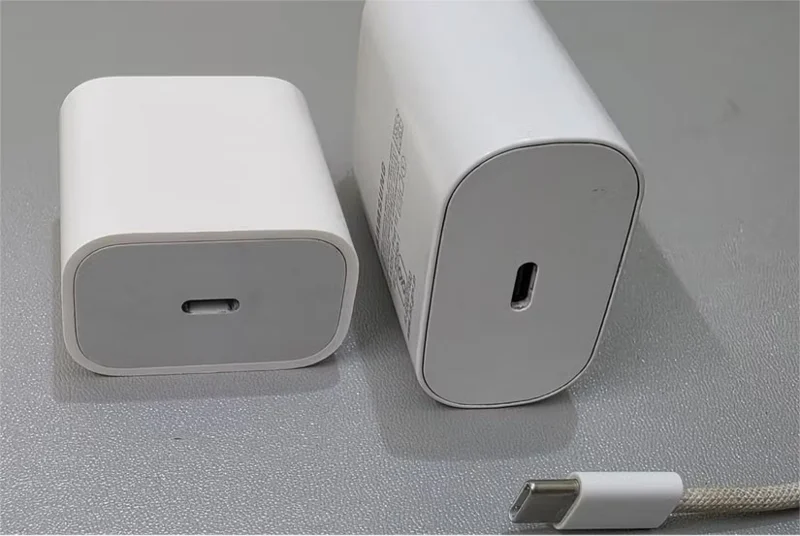
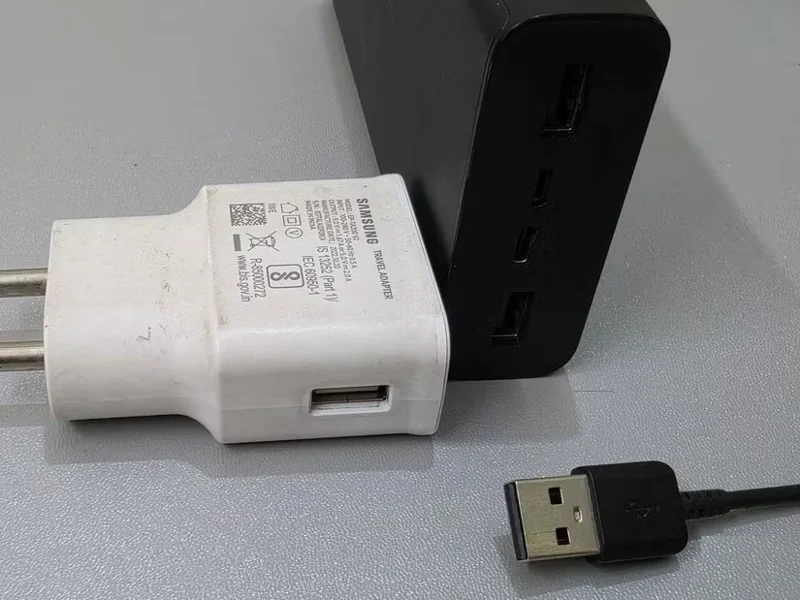
The most common USB connector type is USB-A, also known as Type-A. This is the classic rectangular port we’ve seen for years. You’ll still find it on most computers, laptops, and power supplies. It provides up to 5V/2.4A of power, which is enough for most basic charging needs. However, it’s slower than newer options and doesn’t support fast charging standards.
USB-C is the latest standard for USB ports and cables. It’s smaller than USB-A and can support much higher power output, up to 20V/5A (100W). This makes it suitable for fast charging smartphones, tablets, and even laptops. It’s also reversible, meaning you can plug it in either way without worrying about orientation. Modern Android phones use USB-C, and even Apple’s latest iPhones have switched from the Lightning port to using it.
Qualcomm Quick Charge (QC)
Quick Charge is a fast charging standard, specifically for Android phones with Qualcomm Snapdragon processors. It's designed to dramatically reduce charging times compared to older 5-watt (5W) chargers. For example, Quick Charge 3.0 can charge your phone up to four times faster than the old standard 5W charger. However, the technology only works if both the phone and the charger are Quick Charge compatible. So if your phone supports QC 3.0 but your charger doesn't (or vice versa), you'll have to settle for a slower charging speed.
However, newer versions like Quick Charge 4 and 4+ have added USB-PD compatibility , so a QC 4 charger will switch to standard USB-PD if the phone doesn't support Quick Charge. That way, the technology can still provide fast charging via a more widely accepted protocol, even without using QC-specific features.
USB Power Delivery (USB-PD)
USB Power Delivery (USB-PD) is a fast charging technology that's now standard on a wide range of devices, including smartphones, tablets, laptops, and power banks. The appeal of the technology is that it's universal and not tied to any one brand, so whether you're using a Samsung, Google Pixel, or iPhone, USB-PD is likely to be part of your charging experience.
USB-PD is essentially smart charging. When you plug your phone into a USB-PD charger, the devices quickly talk to each other to determine how much power your phone can handle. The charger then adjusts its output accordingly.
Unlike Quick Charge, PD only works with USB-C connectors and supports power delivery negotiated between the device and the charger. It adjusts voltage and current as needed, delivering power levels such as 5V, 9V, 15V, or 20V, with power outputs up to 240W using the latest PD 3.1 standard.
Exclusive fast charging
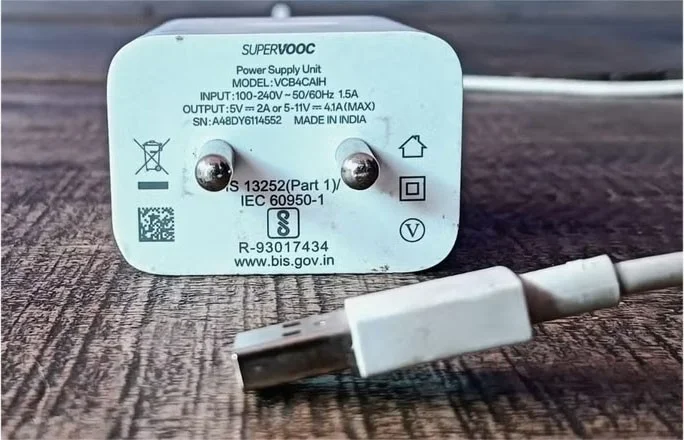
Some brands have their own fast charging systems. Older Samsung phones use Adaptive Fast Charging (15W), while newer phones use Super Fast Charging with USB-PD. Brands like OnePlus and Oppo use proprietary systems like Warp Charge or VOOC, which deliver impressive speeds (some over 100W) with the right charger.
However, these systems only reach their maximum speeds with the brand’s dedicated charger (and sometimes a special cable). So don’t expect the OnePlus Warp charger to super-fast charge your Samsung, or vice versa. If you use the wrong fast charger, your phone will still get a charge, but much more slowly.
How to choose the right charger
Now that you know what makes the charger market so confusing, how can you choose the right one?
Know your phone's charging requirements
Most modern phones support either USB Power Delivery (PD) or Quick Charge (QC). Make sure your charger supports the same protocol for faster, safer charging. Mismatched standards can result in slow speeds or no fast charging at all.
Use brands you know and trust
Cheaper options are often tempting, especially when they look like the real thing, but they often cut corners when it comes to safety and quality. Brands like Anker, Belkin, or Spigen cost a little more, but they’re reliable, thoroughly tested, and built to last, while also protecting your devices. Sometimes spending a little extra money up front can save you trouble down the road.
Don't underestimate the cable
Even with the best chargers, a low-quality cable can ruin everything. Many cheap cables can’t properly transfer high currents, slowing down charging and even causing overheating. Always look for cables that are fast-charging certified and made with thick wires and sturdy insulation.
Avoid vague or exaggerated statements
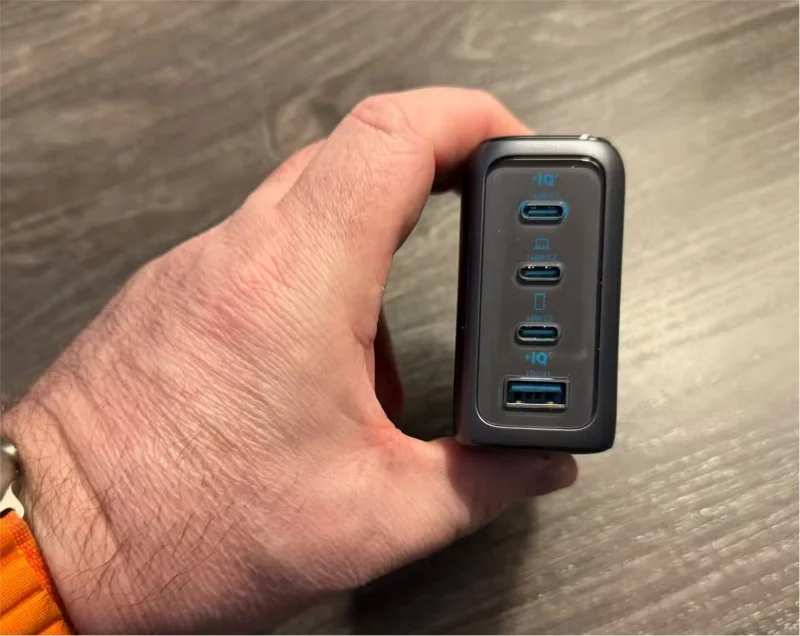
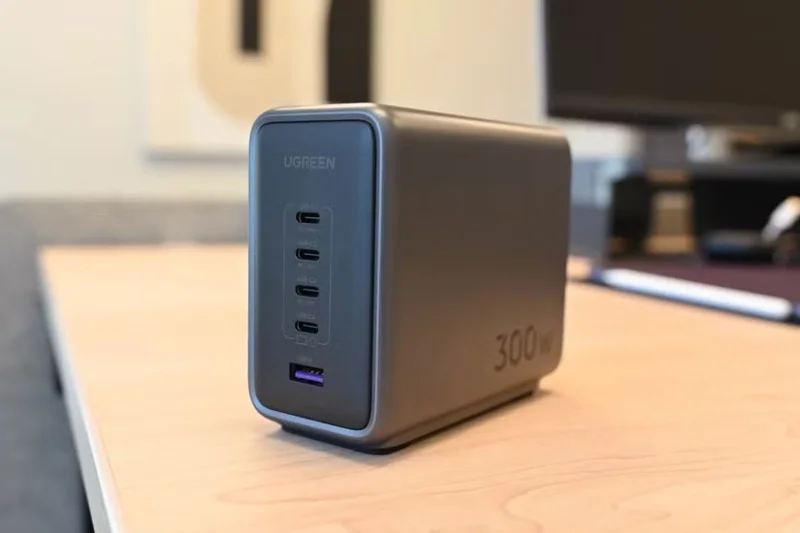
Flashy claims like “Super Fast” or “Up to 100W” may seem impressive, but they can be misleading. With multi-port chargers, the power is often split between ports or only reaches that speed with certain devices. It’s essentially referring to the total power output, not the actual power each port provides.
For example, a 100W charger might deliver a full 100W when using just the USB-C port. But if you plug in a second device, the power gets split. The USB-C port might drop to 65W, while the USB-A port delivers 18W. That’s a big drop if you expect maximum speed from both. So read reviews and check the actual power listed in the specs before you buy.
Look for real certifications, not just fancy words
Genuine chargers will have safety certifications, such as USB-IF, CE, UL, or BIS. These markings mean that the product has passed industry-standard safety tests. Chargers without these markings may still work, but they run the risk of overheating, short-circuiting, or damaging your device over time.
If you're not sure which charger to choose, go with one from the phone's official brand. These chargers are specifically designed for your device, ensuring compatibility and speed without the guesswork. They're a reliable option that saves you time and effort; perfect if you're tired of sorting through endless specs and reviews. And if all else fails, search the internet for "official [your smartphone name] charger" to see what the company recommends.
Use a simple 2026 Halloween decorating timeline for indoor décor, outdoor displays, and fresh pumpkins, with practical adjustments for weather and events.
Mix five vivid, approachable Halloween cocktails with measured recipes, simple prep tips, and an alcohol-free option for your party guests.
Find 15 office-friendly Halloween costume ideas for 2026, with practical checks for dress codes, respectful themes, comfort, and workplace safety.
Plan a fun elementary school Halloween party with easy crafts, games, inclusive treats, costume tips, and a sample 75-minute classroom schedule.
Compare realistic side hustles for 2026 by startup cost, fees, flexibility, and income control, with current tax and scam guidance from official sources.
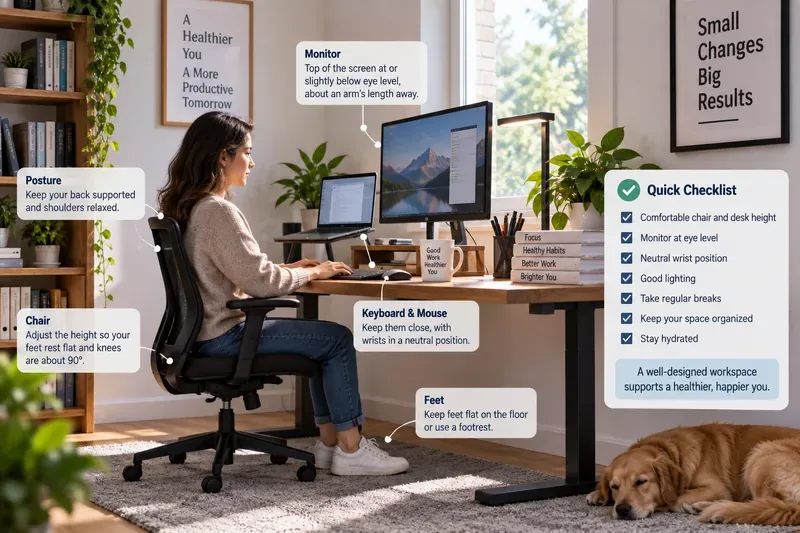
Upgrade your home office ergonomics with current OSHA and NIOSH guidance on chair fit, monitor height, laptop setup, lighting, and movement.
Learn why emotional intelligence matters in leadership, where it helps most, how to strengthen it, and how to tell whether your approach is working.
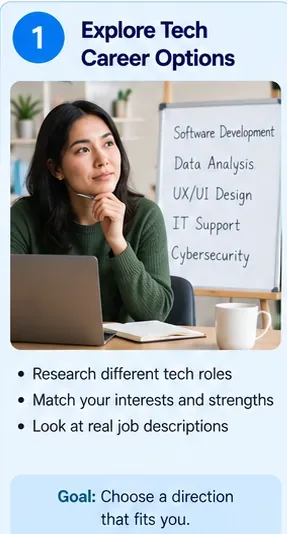
A practical roadmap for moving into tech without a degree: choose an accessible role, build job-ready skills, prove them with projects, and use hiring feedback to improve.
Build a credible LinkedIn personal brand in 2026 with current profile, content, newsletter, analytics, verification, and visibility guidance from LinkedIn.
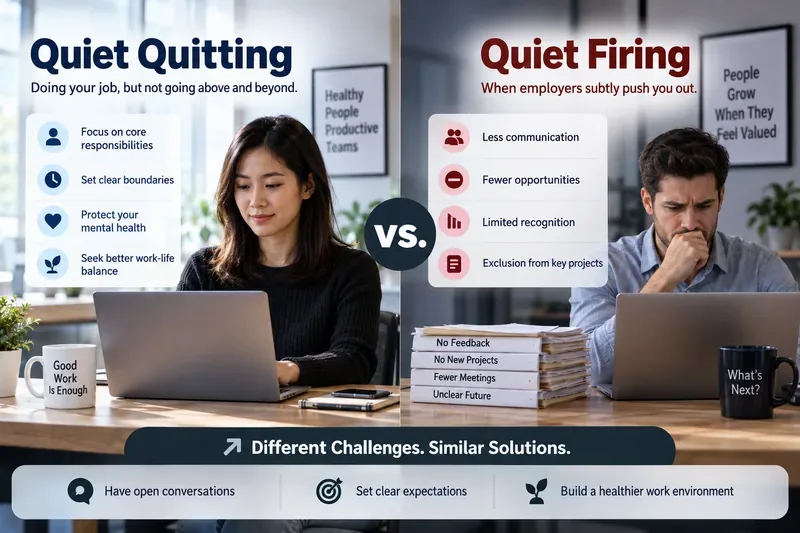
Quiet quitting and quiet firing are catchy labels, not diagnoses. Learn what is verified, what depends on context, and what employees and managers can do next.