
Desk Decorating Ideas for a Spooky Office Cubicle
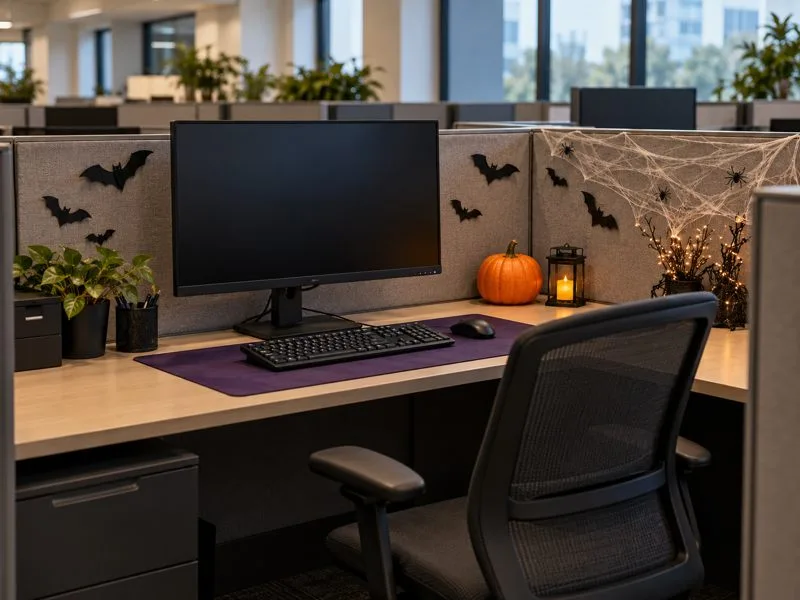
Create a spooky office cubicle with Halloween desk decor ideas that keep your workspace usable, tidy, and mindful of workplace safety.
Many people have long relied on Google Photos to manage their ever-expanding digital photo libraries. Recently, some have considered switching to Microsoft’s OneDrive , which offers generous storage for Microsoft 365 subscribers and integrates with Windows. But is it a wise choice?
Table of Contents
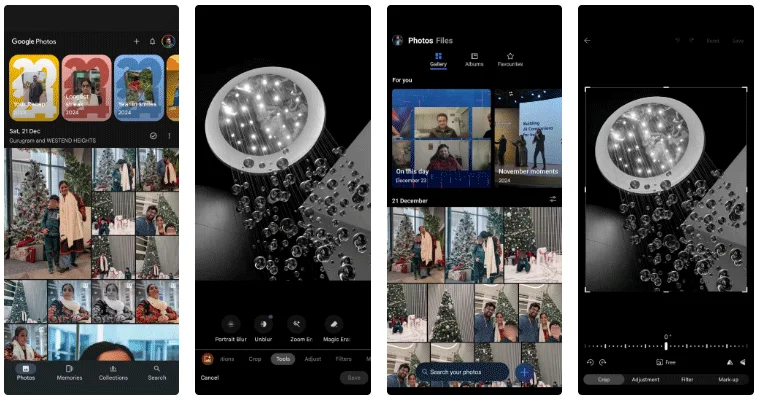
Your first impression of any photo service is on your smartphone. Google Photos offers a clean, intuitive user experience that puts your photos and videos first.
For a long time, OneDrive was considered a more general-purpose cloud storage service. It only offered a Photos tab, where your photos were displayed in a grid — no smart grouping and no extra features for interacting with them. This made it a bit inferior to Google Photos, especially since Google Photos is a standalone app and there’s a separate Google Drive app for general-purpose storage needs.
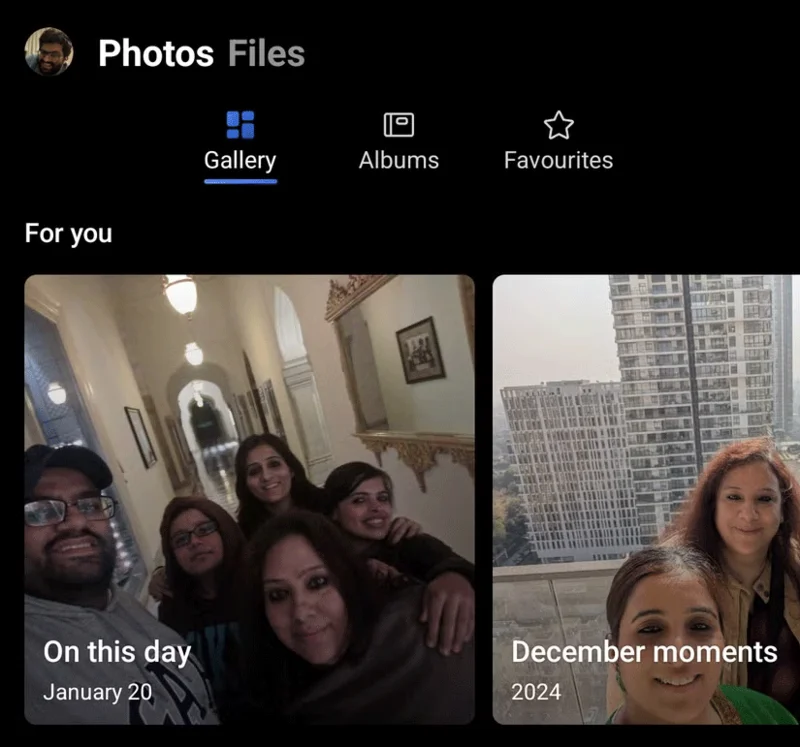
However, the recent refresh of the OneDrive app has brought a dedicated Photos section, allowing you to use it as a dedicated photo app. At first glance, it mimics a more photo-focused app like Google Photos or the gallery app you might see pre-installed on your smartphone.
The app refresh now features a chronological timeline of your media, making it easier to scroll through and find specific moments. And that’s exactly why people are trying this app instead of Google Photos.
The goal is simple: Move mobile photo management entirely from Google Photos to OneDrive on the Google Pixel 9 Pro and see if it can match or even surpass the experience you’re used to. But it’s not just about storage. It’s also about how well each service integrates into your daily life as a primary tool for taking, organizing, editing, and sharing photos.
Google Photos and OneDrive integrate seamlessly with your phone's camera and storage. Once set up, taking a photo automatically backs it up to your Google or Microsoft account, creating a unified experience. You can access all your photos, whether taken on your phone or added from other devices, in the same app and on the Web.
But OneDrive goes a step further, especially if you have a Windows PC. Because OneDrive is integrated into Windows, you can browse your OneDrive photos as well as copy, move, or delete photos—and upload photos from other sources—right from File Explorer on Windows.
In addition to a scrolling timeline for photos and videos, the Photos app needs to visually display our memories. One area where Google Photos really shines is its AI-powered photo search and management features.

Google 's advanced machine learning algorithms can analyze your photos and identify people, places, objects, and even abstract concepts. For example, you can search for "beach" in Google Photos and it will accurately show all of your beach photos, even if you've never tagged them.
You can search for specific people, even if you haven't labeled them, thanks to facial recognition. Searching for things like "birthday cake" or "sunset" will bring up relevant results. This powerful search feature makes it easy to find the exact photo you're looking for, even in a huge library.
OneDrive offers search capabilities, but they're significantly more limited, meaning you'll need to rely more on manual tagging and sorting if you want to create a structured library.
One key difference is the emphasis on smart albums, which are automatically created based on people and places. Both OneDrive and Google Photos offer automatic curation, highlighting special moments you might have forgotten about. However, Google Photos can automatically create collages and animations from your photos and videos, which is a feature OneDrive still lacks.
Google Photos' AI-powered search makes it much easier to interact with your photo library. OneDrive's search function is pretty basic by comparison, lacking any form of intelligent management.
Both Google Photos and OneDrive offer built-in photo editing tools, but their capabilities and ease of use differ significantly. If you have a Pixel smartphone, Google Photos offers additional AI-powered features for editing and manipulating your photos and videos.
Google offers a comprehensive set of editing options that you can use whether you’re a casual user or someone looking for more advanced controls. You can easily adjust brightness, contrast, saturation, and other basic parameters. There are also a variety of filters, cropping tools, and even more advanced features like selective editing and color highlighting.
The app also offers smart suggestions that automatically improve your photos with just one tap. Note that some of Google's photo editing features are only available to Google One subscribers .
Compared to OneDrive, OneDrive's photo editing capabilities are pretty basic. You can crop, rotate, and make basic adjustments, but that's about it. There are no filters, no advanced editing tools, and no AI-powered features like object removal.
For basic adjustments, OneDrive is fine. But if you want to do anything beyond simple cropping and brightness adjustments, you’ll need to use a separate photo editing app. Google, on the other hand, offers a surprisingly powerful and user-friendly editing experience right in the Photos app.
Google offers unlimited free storage for photos. All photos and videos count towards your Google account storage, which is shared across Gmail, Google Drive, and Google Photos. Google offers 15GB of free storage, and you can purchase additional storage through Google One plans.
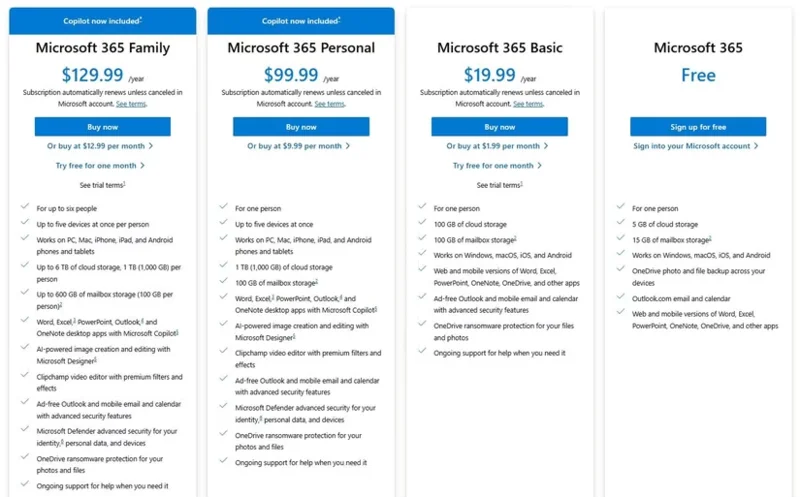
OneDrive, part of Microsoft 365, offers a slightly different approach. If you subscribe to Microsoft 365, you get 1TB of OneDrive storage. This is on par with Google One plans, but you also get access to Microsoft 365 apps like Word, Excel, and more. Without a subscription, OneDrive only offers 5GB of storage.
In terms of sharing, both platforms let you share photos and albums directly with others. Google makes it easy to share with other Google users and offers collaborative albums so multiple people can contribute photos.
Honestly, choosing between Google Photos and OneDrive largely depends on whether you’re a Microsoft 365 subscriber. If you need a lot of storage and are invested in the Microsoft ecosystem, OneDrive’s 1TB plan is appealing. However, Google’s various Google One plans also offer plenty of storage, and the higher free storage limit of 15GB on Google accounts may be more suitable for those who don’t want to sign up for a paid plan.
Once you’ve used OneDrive as your primary photo app on your phone, you’ll find it to be a capable cloud storage solution. However, it doesn’t quite measure up to Google Photos as a comprehensive mobile photo management tool. Google Photos excels in the areas that matter most to mobile users. It’s an intuitive photo experience with powerful editing capabilities and powerful AI-powered curation features.
OneDrive feels like a more traditional file storage service with some photo viewing capabilities thrown in. Its interface is less intuitive, search functionality is limited, and its editing tools are very basic.
While it offers ample storage, especially for Microsoft 365 subscribers, it lacks the sophistication and smarts that make Google Photos so appealing.
If you don’t want to pay for Google One, a reasonable alternative is to use both. You can use Google Photos as your primary photo app, and then move your old photos to OneDrive when you hit your 15GB storage limit. It’s not the best approach, but it gives you the best of both worlds.
Create a spooky office cubicle with Halloween desk decor ideas that keep your workspace usable, tidy, and mindful of workplace safety.
Plan a recognizable Halloween 2026 look with pop culture costumes inspired by Spider-Man, Supergirl, Toy Story 5, Moana, Mario, and Wednesday.
Sort leftover Halloween candy safely, share or repurpose sealed treats, and choose food use or compost for pumpkins based on their condition.
Compare workplace Halloween costume choices by respect, dress code, mobility, and safety—and learn when a subtle accessory or a policy check is the better option.
Find a couples costume that fits your style, budget, and comfort level, from Addams Family classics to original inside-joke duos.
Need a last-minute high school Halloween costume? Compare 10 easy closet-based ideas by prep time, comfort, school-day practicality, and simple safety checks.
Use a simple 2026 Halloween decorating timeline for indoor décor, outdoor displays, and fresh pumpkins, with practical adjustments for weather and events.
Mix five vivid, approachable Halloween cocktails with measured recipes, simple prep tips, and an alcohol-free option for your party guests.
Find 15 office-friendly Halloween costume ideas for 2026, with practical checks for dress codes, respectful themes, comfort, and workplace safety.
Plan a fun elementary school Halloween party with easy crafts, games, inclusive treats, costume tips, and a sample 75-minute classroom schedule.