Desk Decorating Ideas for a Spooky Office Cubicle
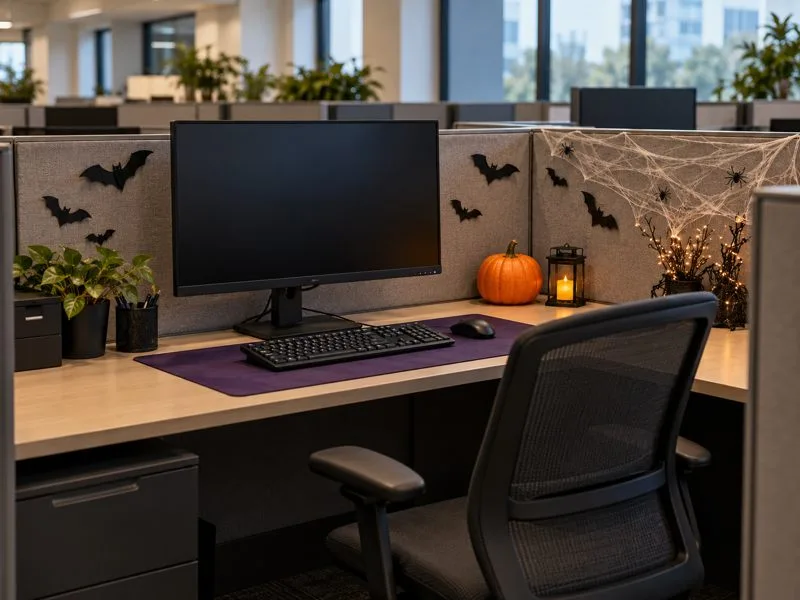
Create a spooky office cubicle with Halloween desk decor ideas that keep your workspace usable, tidy, and mindful of workplace safety.
Sometimes we need to have blood drawn for health check-ups. The process of drawing blood for testing is called venipuncture. So how does the blood drawing process work, and why is blood drawn from a vein and not an artery?
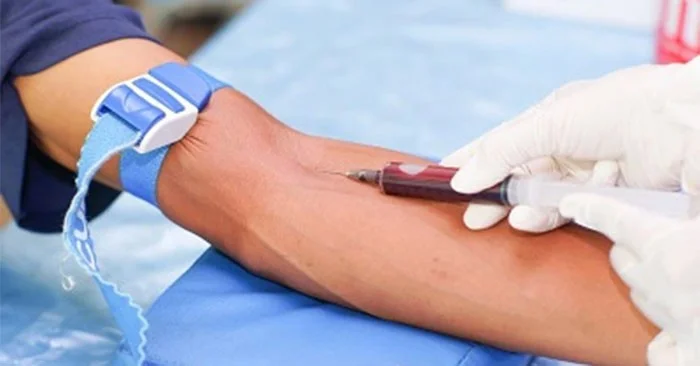
Blood collection process
First, let's learn about veins and arteries.
Arteries are blood vessels that carry blood from the heart to the rest of the body, mostly oxygen-rich blood. There are two exceptions when arteries carry oxygen-poor blood. The first is the pulmonary artery, which carries blood from the heart to the lungs, and the second is the umbilical artery, which carries blood from the fetus to the placenta.
Veins are blood vessels that carry blood from the body back to the heart, so they are mostly oxygen-poor blood. However, the pulmonary and umbilical veins carry oxygen-rich blood. Veins also have valves to prevent backflow and have less muscle than arteries.
Venous blood can be used for many purposes such as intravenous therapy, blood testing, and diagnosis.
It is important to prepare all necessary supplies before starting the venipuncture procedure, including the blood collection needle, tourniquet, specimen collection tube, hand sanitizer, alcohol swabs, bandages, gauze, and blood transfusion equipment.
First, the patient straightens the arm, the tourniquet is tied 7-10cm above the needle site. The health care provider needs to identify a vein. In adults, the most common is the mid-cubital vein, a large blood vessel that makes blood collection easier and will also give good results if the blood is drawn correctly.
Why take blood from a vein and not from an artery?
Physically, veins are relatively easier to draw blood from because they are close to the skin surface. Meanwhile, arteries are located deeper below, so drawing blood is more difficult and painful for the patient.
Additionally, the pressure in a vein is lower than in an artery, so the chance of blood flowing back out before the wound heals is lower.
Create a spooky office cubicle with Halloween desk decor ideas that keep your workspace usable, tidy, and mindful of workplace safety.
Plan a recognizable Halloween 2026 look with pop culture costumes inspired by Spider-Man, Supergirl, Toy Story 5, Moana, Mario, and Wednesday.
Sort leftover Halloween candy safely, share or repurpose sealed treats, and choose food use or compost for pumpkins based on their condition.
Compare workplace Halloween costume choices by respect, dress code, mobility, and safety—and learn when a subtle accessory or a policy check is the better option.
Find a couples costume that fits your style, budget, and comfort level, from Addams Family classics to original inside-joke duos.
Need a last-minute high school Halloween costume? Compare 10 easy closet-based ideas by prep time, comfort, school-day practicality, and simple safety checks.
Use a simple 2026 Halloween decorating timeline for indoor décor, outdoor displays, and fresh pumpkins, with practical adjustments for weather and events.
Mix five vivid, approachable Halloween cocktails with measured recipes, simple prep tips, and an alcohol-free option for your party guests.
Find 15 office-friendly Halloween costume ideas for 2026, with practical checks for dress codes, respectful themes, comfort, and workplace safety.
Plan a fun elementary school Halloween party with easy crafts, games, inclusive treats, costume tips, and a sample 75-minute classroom schedule.