Desk Decorating Ideas for a Spooky Office Cubicle
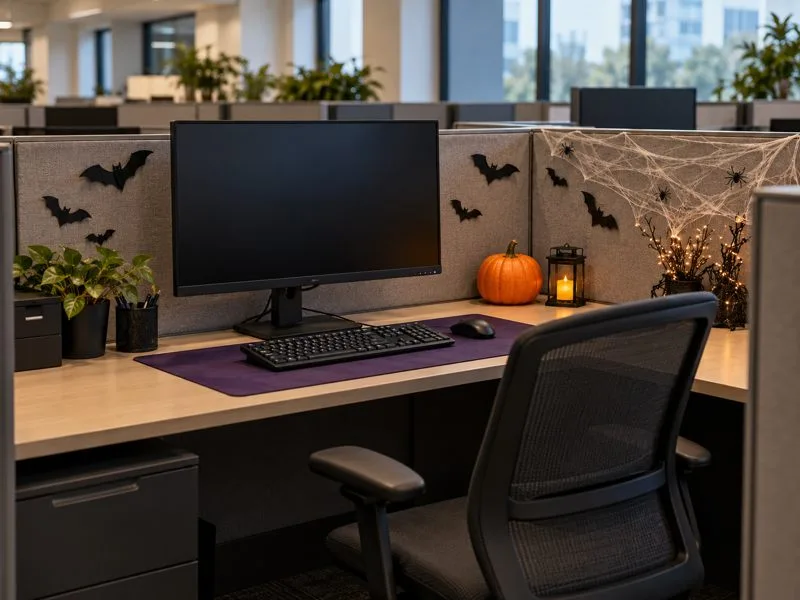
Create a spooky office cubicle with Halloween desk decor ideas that keep your workspace usable, tidy, and mindful of workplace safety.
A new study finds that “connected” cars, those that can wirelessly exchange data with each other, can significantly improve intersection travel times. But autonomous (unconnected) cars can actually slow down intersection travel times because they are programmed to run “conservatively” to minimize the risk of collisions.
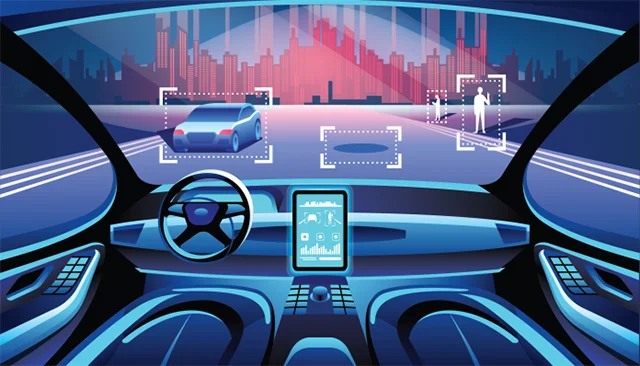
According to research, there are two main reasons why people are interested in autonomous vehicles: improving passenger safety and reducing travel times . Studies based on computational models simulating traffic conditions show that to effectively improve travel times, increasing the number of autonomous vehicles is not enough; more connected vehicles (CVs) and connected autonomous vehicles (CAVs) are needed so that they can exchange information with each other as well as with traffic control systems at intersections.
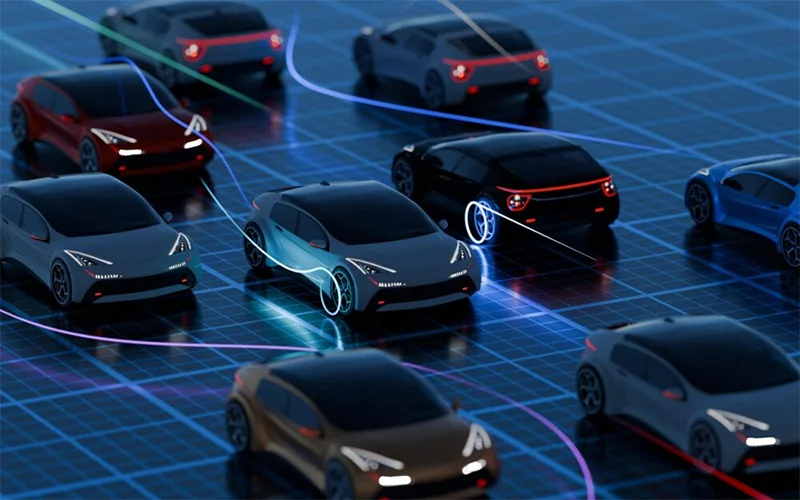
In the study, the scientists used a computational model to simulate traffic, classifying four types of vehicles: human-driven cars, connected cars with human drivers, self-driving cars, and connected self-driving cars .
Because they are programmed to drive more cautiously than humans, self-driving cars tend to move more slowly than connected cars, allowing them to receive information about upcoming traffic light conditions and adjust their speed to avoid longer stops at intersections. As a result, human-driven connected cars and connected self-driving cars move more smoothly and stop less often than human-driven and self-driving cars.
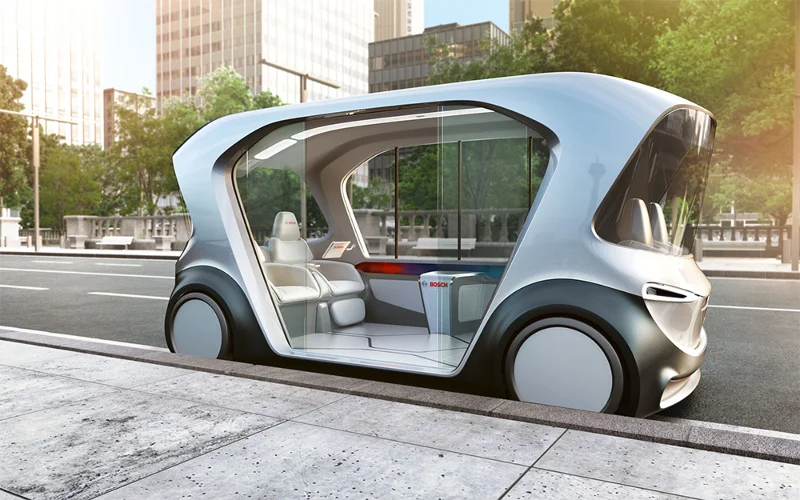
Through 57 traffic simulations, the study found that the higher the ratio of connected cars with human drivers and connected autonomous cars , the more traffic flow through intersections is improved, reducing the number of cars waiting at red lights.
In contrast, high rates of unconnected autonomous vehicles increase intersection travel times because these vehicles are programmed to drive conservatively to reduce the risk of collisions. This highlights the importance of integrating connectivity into both vehicles and traffic control systems.
Although the study was conducted using computational models, which limit the ability to fully simulate reality, testing a mix of human-driven, autonomous, connected, and connected autonomous vehicles in the real world is difficult in terms of cost and safety. Therefore, computational models are a useful tool to detect and address potential problems before they are applied to reality.
Create a spooky office cubicle with Halloween desk decor ideas that keep your workspace usable, tidy, and mindful of workplace safety.
Plan a recognizable Halloween 2026 look with pop culture costumes inspired by Spider-Man, Supergirl, Toy Story 5, Moana, Mario, and Wednesday.
Sort leftover Halloween candy safely, share or repurpose sealed treats, and choose food use or compost for pumpkins based on their condition.
Compare workplace Halloween costume choices by respect, dress code, mobility, and safety—and learn when a subtle accessory or a policy check is the better option.
Find a couples costume that fits your style, budget, and comfort level, from Addams Family classics to original inside-joke duos.
Need a last-minute high school Halloween costume? Compare 10 easy closet-based ideas by prep time, comfort, school-day practicality, and simple safety checks.
Use a simple 2026 Halloween decorating timeline for indoor décor, outdoor displays, and fresh pumpkins, with practical adjustments for weather and events.
Mix five vivid, approachable Halloween cocktails with measured recipes, simple prep tips, and an alcohol-free option for your party guests.
Find 15 office-friendly Halloween costume ideas for 2026, with practical checks for dress codes, respectful themes, comfort, and workplace safety.
Plan a fun elementary school Halloween party with easy crafts, games, inclusive treats, costume tips, and a sample 75-minute classroom schedule.