Verified and updated: 16 November 2026, 12:07 pm AEDT (UTC+11:00).
Australian customers have reported unauthorised spending on some Woolworths WISH eGift cards, with balances reportedly used before their owners could redeem them. Woolworths has acknowledged reports affecting a number of eGift cards and says it is investigating, according to recent Australian media coverage. The cause has not been publicly established: reports of drained balances do not by themselves show whether card details were exposed through an account, a message, a device or another route.
The practical point is that a digital gift card is a stored-value credential. Anyone who obtains the card number and the access code may be able to make a transaction or balance enquiry, according to Woolworths’ published terms. Customers can check transaction history, contact Woolworths promptly about suspicious use, and keep proof of purchase while the reported issue is investigated.
Destaques
- Recent reports concern WISH eGift cards; the precise compromise method has not been confirmed publicly.
- Check the card’s transaction history and balance through Woolworths’ official channels.
- Keep the purchase receipt, card email and screenshots, and contact the issuer quickly if you see an unrecognised transaction.
- Gift card access details should be handled like cash: do not share the number or access code in response to unsolicited requests.
How can a digital gift card balance be compromised?
A gift card is not protected in the same way as a bank account. The card number identifies the stored value, and an access code may be needed for use or balance enquiries. If someone obtains those details, they may try to spend the balance before the intended recipient does. This is why digital cards should be treated as cash equivalents: possession of the usable details can be enough to create a loss.
There are several possible exposure paths, but none has been confirmed as the explanation for the current Woolworths reports. A recipient might forward an email or screenshot that contains usable details; an account or email inbox could be accessed by someone else; a phishing message could trick a customer into disclosing information; or card information could be exposed through another system. These are general possibilities, not findings about the Woolworths incident.
Digital gift cards are different from the physical-card tampering reports that can involve altered packaging or copied codes on cards displayed in stores. The current reports described by Australian media involve eGift cards, so customers should avoid assuming that a familiar plastic-card scam explains them.
What should Woolworths eGift card holders check?
Use Woolworths’ official gift card website or Everyday Rewards app to check the balance and transaction history. The company’s terms also list a balance enquiry phone number, 1300 10 1234. Use contact details reached independently through the official Woolworths site rather than a link in an unexpected text, email or social media message. The card number and access code are required for an enquiry, so enter them only into a channel you have verified.
Compare each transaction with your own use and with anyone you knowingly shared the card with. A balance lower than expected does not automatically prove theft: check whether the card was partly spent, whether a purchase is pending, or whether someone in the household used it. If a transaction remains unfamiliar, record the date, amount and any store information shown in the history.
What evidence should you keep if a card has been drained?
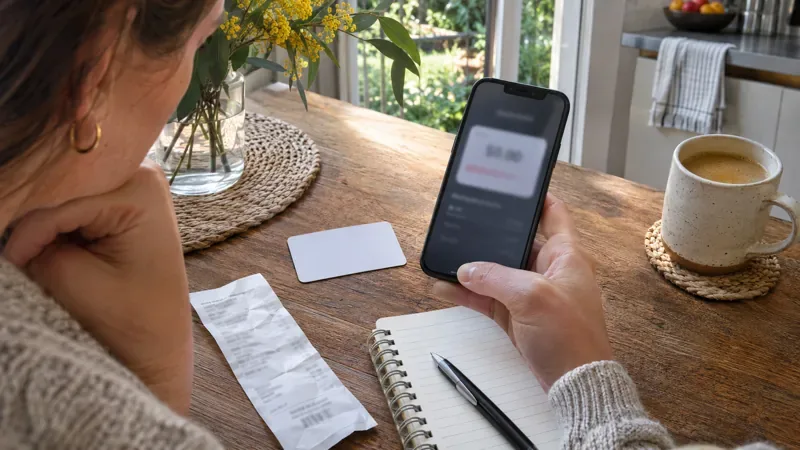
Save the order confirmation, receipt, original eGift email, card details, balance-check result and transaction history. Take screenshots that show the relevant information and the time you checked. Do not post a card number, access code, barcode or full screenshot publicly; those details could make the remaining value easier to use. If you bought the card for someone else, ask them to preserve the same records.
Contact Woolworths using its official customer-service channel and report the suspected unauthorised use. Explain when and where you bought or received the card, when you noticed the problem, what transactions you do not recognise and what evidence you have. Ask the issuer to record the complaint and explain its review process. Woolworths’ terms say customers can contact the company about a lost or stolen card and that it may place a stop on a card in specified circumstances; they also state that Australian Consumer Law rights are not excluded by the terms. These provisions do not guarantee a particular reimbursement outcome, so retain the response and any case reference.
How should customers protect digital gift cards?
- Redeem a card soon after receiving it instead of leaving a large balance unused for a long period.
- Keep the card email and access code private; share them only with the intended recipient through a trusted channel.
- Use a unique password for the email or rewards account holding card messages, and enable multi-factor authentication where available.
- Be wary of messages claiming there is a problem with a card and asking you to confirm credentials. Navigate to the official site yourself.
- Check stored-value card balances after purchase and before gifting, then keep the receipt until the value is spent.
These steps reduce avoidable exposure, but they cannot identify the cause of the current reports or guarantee a card cannot be misused. Any conclusion about a broader system breach, a particular attacker or a specific technical flaw would be speculation without evidence from the investigation.
What happens next for affected customers?
Woolworths’ investigation may clarify how the affected cards were accessed and what remedy applies. Until the company provides more detail, customers should rely on their own transaction records and official updates rather than viral posts that assert a cause. If an unauthorised transaction appears, contact the issuer promptly and report suspected cybercrime through the Australian Government’s reporting channels. The government’s MoneySmart guidance says gift card losses should be reported to the company that issued the card; Scamwatch accepts reports that help authorities identify scam activity.
FAQs
Have officials confirmed how the Woolworths eGift cards were accessed?
No. Public reporting describes customer complaints and a Woolworths investigation, but does not establish the access method.
How do I check my WISH eGift card balance?
Use Woolworths’ official gift card website or Everyday Rewards app, or call the number listed in its gift card terms: 1300 10 1234.
Where do I report an unauthorised gift card transaction?
Report it to Woolworths first. You can also report suspected scams to Scamwatch and cybercrime through the Australian Cyber Security Centre’s reporting guidance.
Sources: Nine’s report on customer complaints and Woolworths’ response; Woolworths Group and Partner Gift Cards terms; Australian Government MoneySmart scam response guidance and Scamwatch reporting guidance.