Kawaii Halloween Decor Without Gore or Jump Scares

Create a gentle Halloween look with pastel colors, friendly ghosts, easy no-carve accents, and practical safety tips for your home.
Wear OS smartwatches have come a long way, but there are a few key areas where the Apple Watch still has the lead. Hopefully Google will take note of some of these points in future Wear OS updates.
Table of Contents
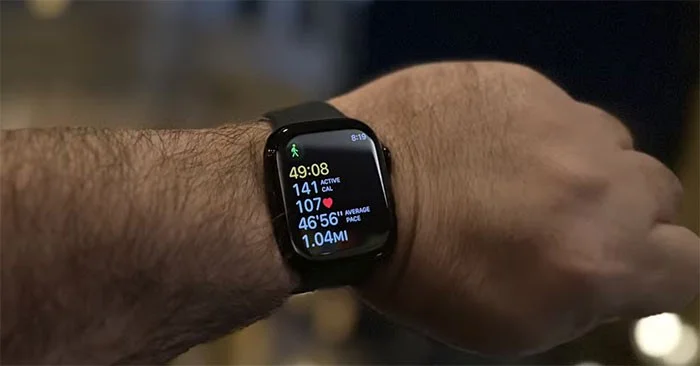
One of the main issues that still exists with Wear OS smartwatches, like the Google Pixel Watch 3 and Samsung Galaxy Watch Ultra, is that each manufacturer uses its own app to collect and display health data.
For example, despite being a great smartwatch, Google's smartwatch still relies on the Fitbit app, while the Samsung Galaxy Watch uses Samsung Health. There's no unified health-tracking app that works across all Wear OS devices.
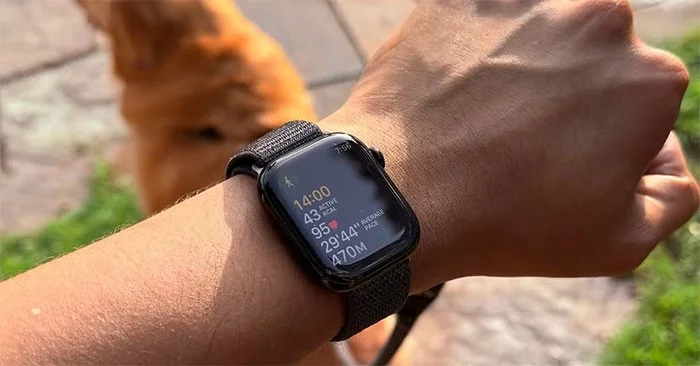
Apple, on the other hand, uses a single Fitness app to display all the data collected from the Apple Watch . You just open the app and see everything from steps taken, calories burned, distance traveled, and even the quality of your sleep — right from the home screen. With Wear OS, you have to install the brand’s companion app to access your health data, as Google doesn’t offer a universal solution.
Most Wear OS smartwatches offer excellent activity tracking, with support for a wide range of workouts and a wealth of detailed data. You can set goals like calories burned, daily steps, and standing hours during setup. However, once set, they are static goals. You can’t adjust them for a specific day, and if you miss a goal once, you lose your streak.
Let’s be honest, you don’t want to work out every day. There are times when you can miss a workout due to work or recovery, but still feel pressured to hit that goal. Many people would love to see Wear OS watches adopt customizable daily goals.
Apple introduced custom goals in watchOS 11, allowing you to adjust your goals (or pause them if you can't complete them for whatever reason) so you don't lose your streak.
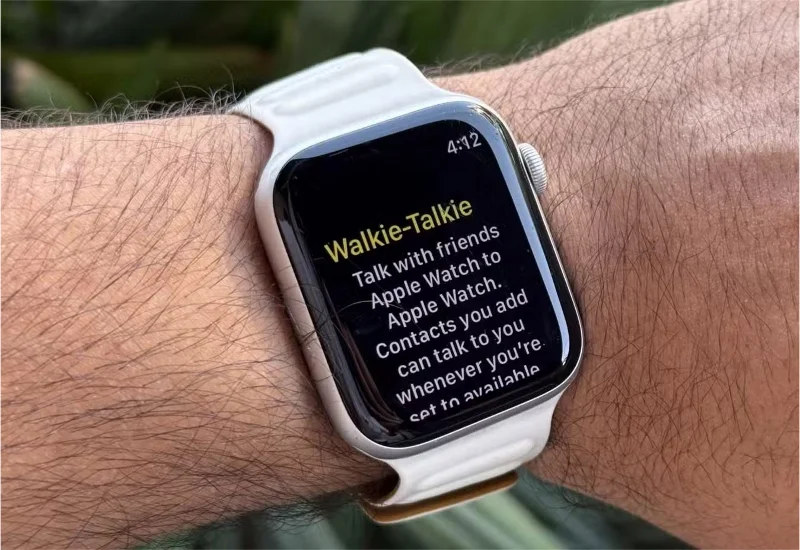
While Wear OS watches have caught up to Apple in terms of health tracking and core features, it’s time to introduce some interesting elements. One feature that many people would love to see on Wear OS is Apple’s version of walkie-talkie functionality.
This feature, as the name suggests, lets you send instant voice messages, just like a traditional walkie-talkie. It works over the internet, so you can talk to any of your Apple Watch-wielding friends no matter where they are. It may not be the most essential tool, but it’s a fun and surprisingly handy feature in a crowded environment.
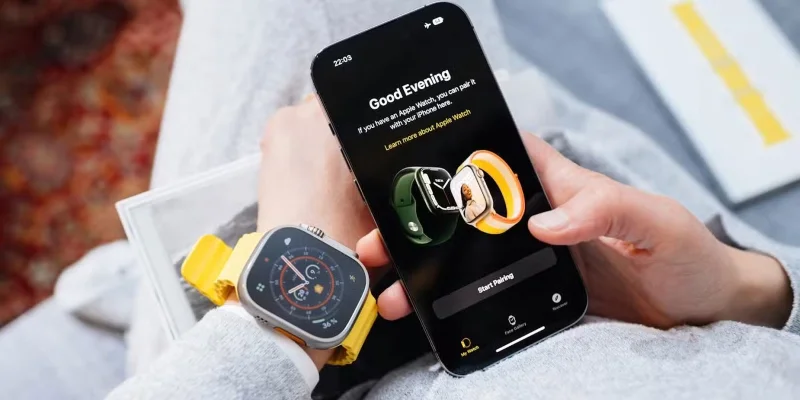
Pairing a Wear OS smartwatch to your phone is still a bit of a chore. Yes, most newer models support Google Fast Pair, which will pop up a window when the watch is nearby, but you still have to go through a full setup process. You also usually have to download a brand-specific app.
This is where Google should follow Apple’s lead. Apple offers a single Watch app that handles everything. Google should offer a unified Wear OS companion app that works with all devices for basic setup and syncing, regardless of brand. Brand-specific apps can still provide additional features, but a basic app would simplify things a lot.
One big problem that Google needs to fix in Wear OS – and that Apple has already fixed – is software updates. Apple releases updates for the Apple Watch pretty regularly, and all compatible models get the update at the same time. You never have to wait. This is a great part of Apple’s unified approach to software, and one area where Android fragmentation is a real problem.
This is completely different from the Wear OS ecosystem, where Samsung and Google smartwatches typically get the latest version of Wear OS first, and from there, updates are rolled out in batches to other Wear OS devices.
Some devices can even take months to update. While Google has largely addressed the issue of update fragmentation on Android smartphones, with brands now rolling out updates faster than ever, it’s still an issue on Wear OS watches.
Overall, Google has improved Wear OS to a level that's pretty comparable to the Apple Watch, but there are still a few things that the Android smartwatch ecosystem lacks.
These features aren't huge issues, but there are a few that many people won't buy a smartwatch without. While Wear OS has evolved rapidly, the Apple Watch remains a timeless classic.
Create a gentle Halloween look with pastel colors, friendly ghosts, easy no-carve accents, and practical safety tips for your home.
Create a spooky office cubicle with Halloween desk decor ideas that keep your workspace usable, tidy, and mindful of workplace safety.
Plan a recognizable Halloween 2026 look with pop culture costumes inspired by Spider-Man, Supergirl, Toy Story 5, Moana, Mario, and Wednesday.
Sort leftover Halloween candy safely, share or repurpose sealed treats, and choose food use or compost for pumpkins based on their condition.
Compare workplace Halloween costume choices by respect, dress code, mobility, and safety—and learn when a subtle accessory or a policy check is the better option.
Find a couples costume that fits your style, budget, and comfort level, from Addams Family classics to original inside-joke duos.
Need a last-minute high school Halloween costume? Compare 10 easy closet-based ideas by prep time, comfort, school-day practicality, and simple safety checks.
Use a simple 2026 Halloween decorating timeline for indoor décor, outdoor displays, and fresh pumpkins, with practical adjustments for weather and events.
Mix five vivid, approachable Halloween cocktails with measured recipes, simple prep tips, and an alcohol-free option for your party guests.
Find 15 office-friendly Halloween costume ideas for 2026, with practical checks for dress codes, respectful themes, comfort, and workplace safety.